










After 401 years, Denmark closes its national postal service
401 years of history sealed as "PostNord" delivers its last letter.

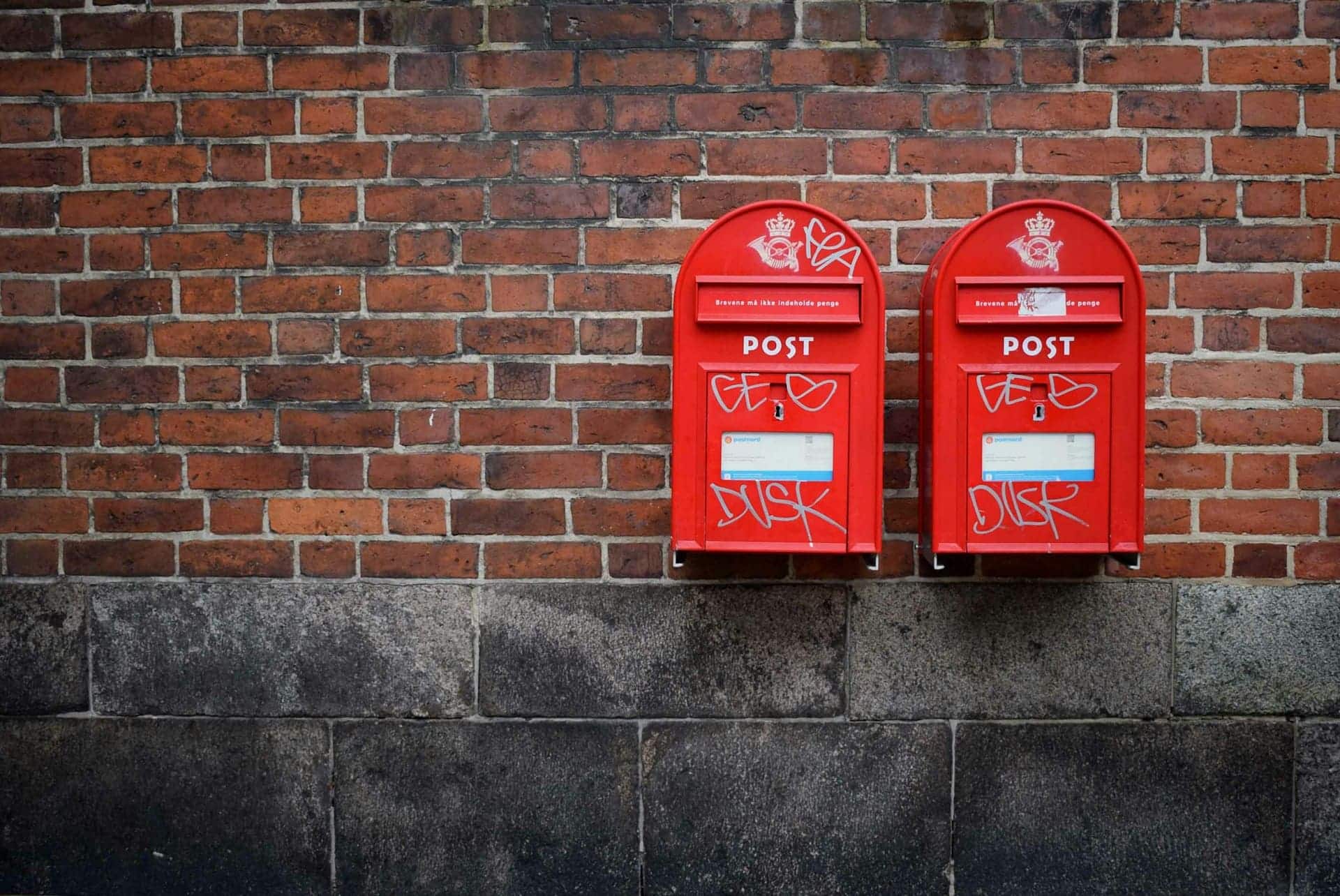
End of a long era. PostNord’s decision to discontinue physical mail delivery means the elimination of 1,500 jobs. It also means the end of 1,500 red mailboxes in Denmark.
Andreas Brethvad, the company’s director of public affairs and communications, said “PostNord” is sensitive to the fact that the postboxes are an iconic part of Danish heritage.
Earlier this month, 1,000 of them were sold off in a special sale, and an additional 200 will be auctioned off in January, with all proceeds going to charities supporting children affected by crises around the world.

Epistolophobes rejoice! On Dec. 30, Denmark’s national postal authority “PostNord” will stop delivering paper letters, concluding a service first offered in 1624.
The decision to sunset the delivery of physical missives is a pragmatic one: PostNord reported an operating deficit of 428 million krone – or €57 million – last year. Given that the volume of physical missives processed has decreased by over 90 percent since 2000, ending the service is a clear cost-cutting decision.
“PostNord Denmark has a long history in which letters have been an important part, but with Denmark being one of the most digitalized countries in the world, most of the Danes no longer send physical letters,” adds Andreas Brethvad. The postal authority will now pivot to focus on the delivery of e-commerce parcels instead – a service used by eight out of every 10 Danes who routinely shop online.
Physical mail is not going away entirely, but it is moving into private hands. From 2026, the courier company DAO will take over the remaining market, predicting a volume of about 80 million letters.
But the process will be very different. Instead of looking for a red box on the street corner, senders will drop off their letters at kiosks in retail stores and manage the delivery via apps or online portals. This is certainly a more efficient model, but it essentially ends the “universal service” where the state ensures that a letter reaches any home for a fixed price.
While Denmark is the first to take this step, it is unlikely to be the last. The UK’s “Royal Mail” and Germany’s “Deutsche Post” are already shortening delivery days or raising prices to stay afloat, so many are watching Denmark’s developments closely.
For everyone else, the ritual of checking the mailbox, the unexpected receipt of a postcard, or the worry over a handwritten letter now seems like a quaint relic, as the postman’s knock is replaced by the quiet beep of a notification.
It marks the bittersweet end of a tradition that began in 1624, but it is undeniably poetic that 401 years of history are being sealed, labeled, and consigned to the archives for the last time.
Credits:
Image: