











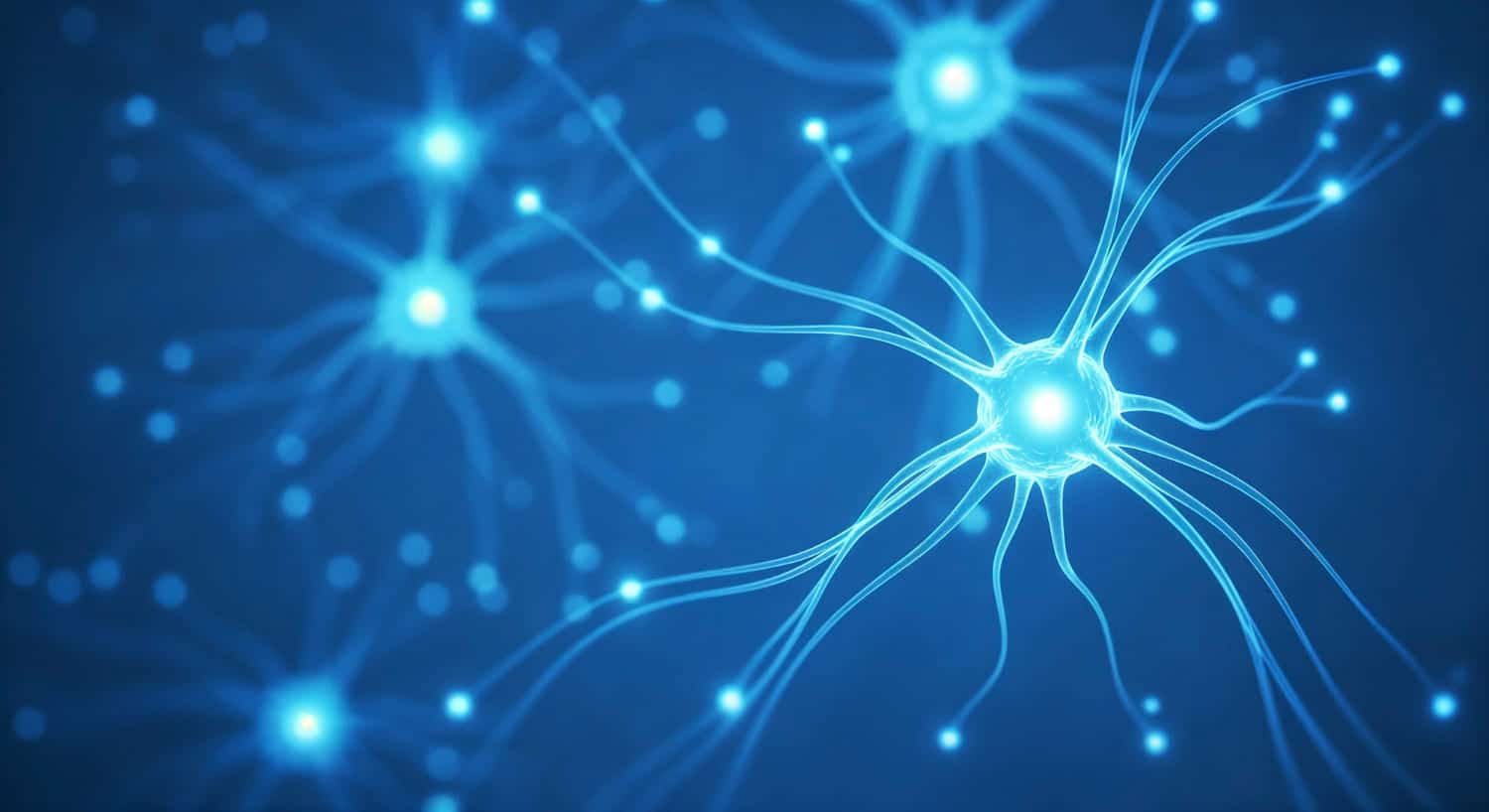
This year, 2026, Elon Musk’s “Neuralink” officially begins mass production of brain implants, marking a significant change. The scale of production can be increased thanks to a fully automated surgical procedure designed to make mass implantation much more efficient.

Musk’s announcement on X (formerly Twitter) is the next stage in Neuralink’s development after a year of regulatory and financial upheaval. The company, which earlier this year received approval from the U.S. Food and Drug Administration (FDA) to begin human trials and raised $650 million in new funding.
The Neuralink implant is a compact device connected to ultra-thin wires designed to read neural signals directly from the brain. The system is designed to help people with paralysis or severe neurological conditions interact with computers and other digital tools using only their thoughts. Participants in early trials have demonstrated tasks such as moving cursors, browsing the web, and playing video games without physical movement, giving a glimpse of what the technology could enable if applied more widely.
“Device threads will go through the dura – the tough outer membrane that protects the brain and spinal cord – without the need to remove it,” Musk said.
“This is a big deal,” he added.
The Neuralink implant is about the size of a coin. From the implant, an array of thin threads, each roughly 20 times thinner than a human hair, fan out into the patient’s brain. Inserting the device has previously required a human surgeon to remove a portion of the individual’s skull, before a robotic arm takes over to insert the implant.
The goal is to reduce the reliance on highly specialized surgical teams and make the procedure faster, more repeatable, and easier to apply to multiple sites.
Musk has previously suggested the company could implant more than a thousand devices by the end of 2026, a figure that would require both expanded manufacturing capacity and a more standardized implantation process.
The push comes amid growing investor and regulatory interest in neurotechnology, as well as ongoing debate about where such tools should ultimately lead. Neuralink has emphasized therapeutic uses, particularly for paralysis and neurological injury.
Credits:
Image:


