










What year do different countries of the world live in
Why is the sense of time so different?

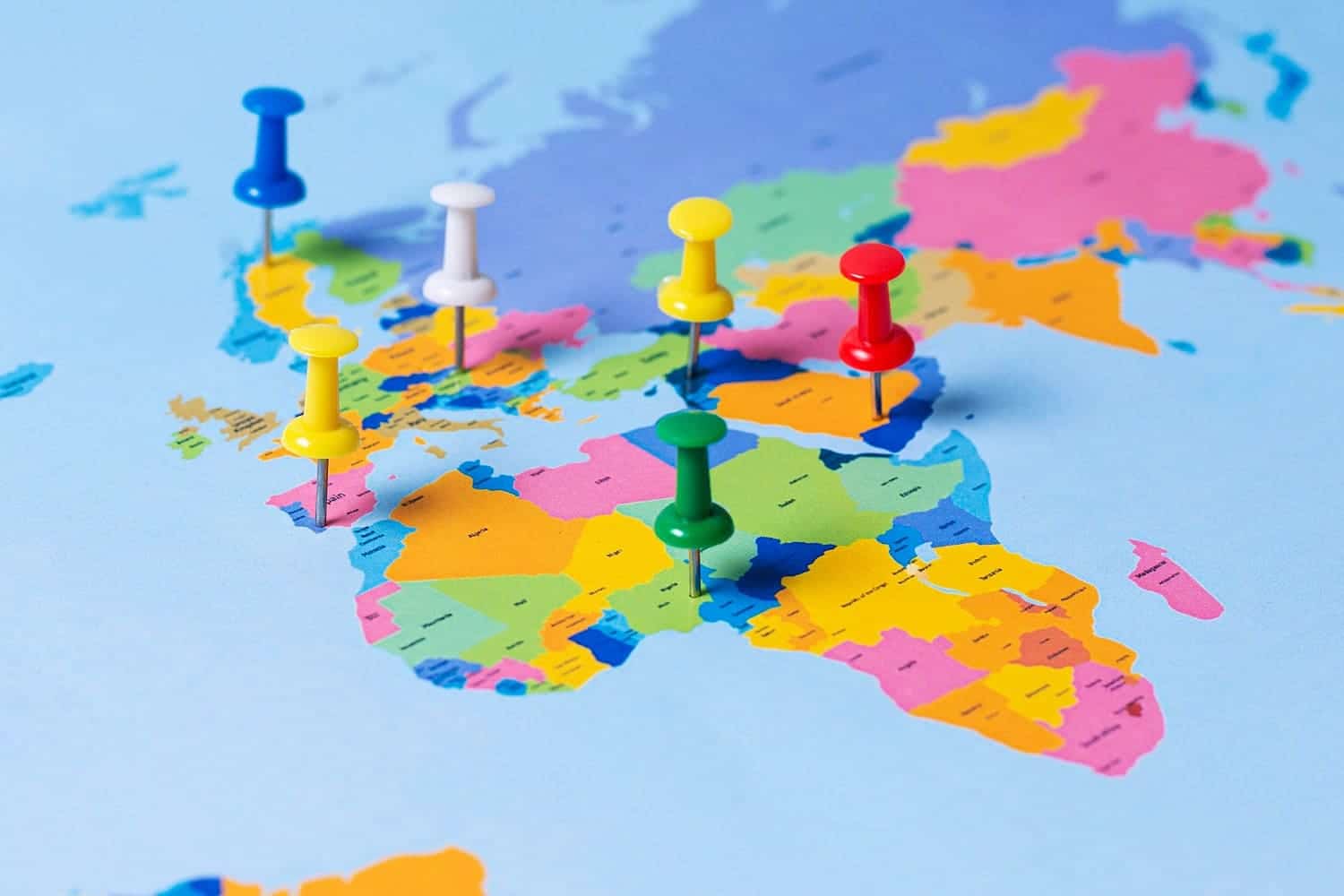
In many countries around the world, people have recently welcomed the New Year and are now living according to the year 2026. However, not all countries use the Gregorian calendar exclusively. Although this system is the main and only one in more than 160 countries around the world today, in some cultures, other timekeeping traditions operate alongside it.

Japan
Japan uses the Gregorian calendar, but also counts years from the beginning of the reign of the current emperor. The current Emperor Naruhito ascended the throne on May 1, 2019. Thus, Japan is currently officially celebrating the seventh year of the Reiwa era.
Islamic Countries
The Islamic (Hijri) calendar, which is considered to have begun in 622 AD, the year the Prophet Muhammad migrated from Mecca to Medina, is also widely used to determine religious and cultural dates in countries such as Algeria, Egypt, Iraq, and Yemen.
The Islamic calendar is currently counting a year of 1447.
China
China uses several calendars. The Gregorian calendar is used officially, but the traditional life cycle, holidays, and astrology use the lunisolar calendar. It is currently in its 4722nd year, associated with the symbol of the Green Wood Snake. New years according to this system, change at the beginning of the year, usually in late January or February.
Israel
Israel uses the Hebrew calendar alongside the Gregorian calendar. According to it, the current year is 5786, and many religious holidays, such as Passover or Rosh Hashanah, are calculated according to this system.
Afghanistan, Iran and South Asia
Some countries rely on different versions of the solar calendar:
- In Afghanistan and Iran, is living according to the year 1404.
- In Bangladesh, is living according to the year 1432.
These systems are more closely tied to agricultural cycles and seasons.
Why are calendars so different?
Calendars reflect history, religion, and cultural identity. They have shaped people’s relationship with nature, celebrations, and time. Even though the Gregorian calendar dominates globally, many nations still preserve their traditional chronology systems.
Let’s say: there are countries “living in different years”, but we all still share the same time – we just count it in our own way.
Credits:
Image: