










Gold in name only? So, how much does a 2026 Olympic medal cost?
In monetary terms, its price may disappoint those who imagine a treasure of pure gold.

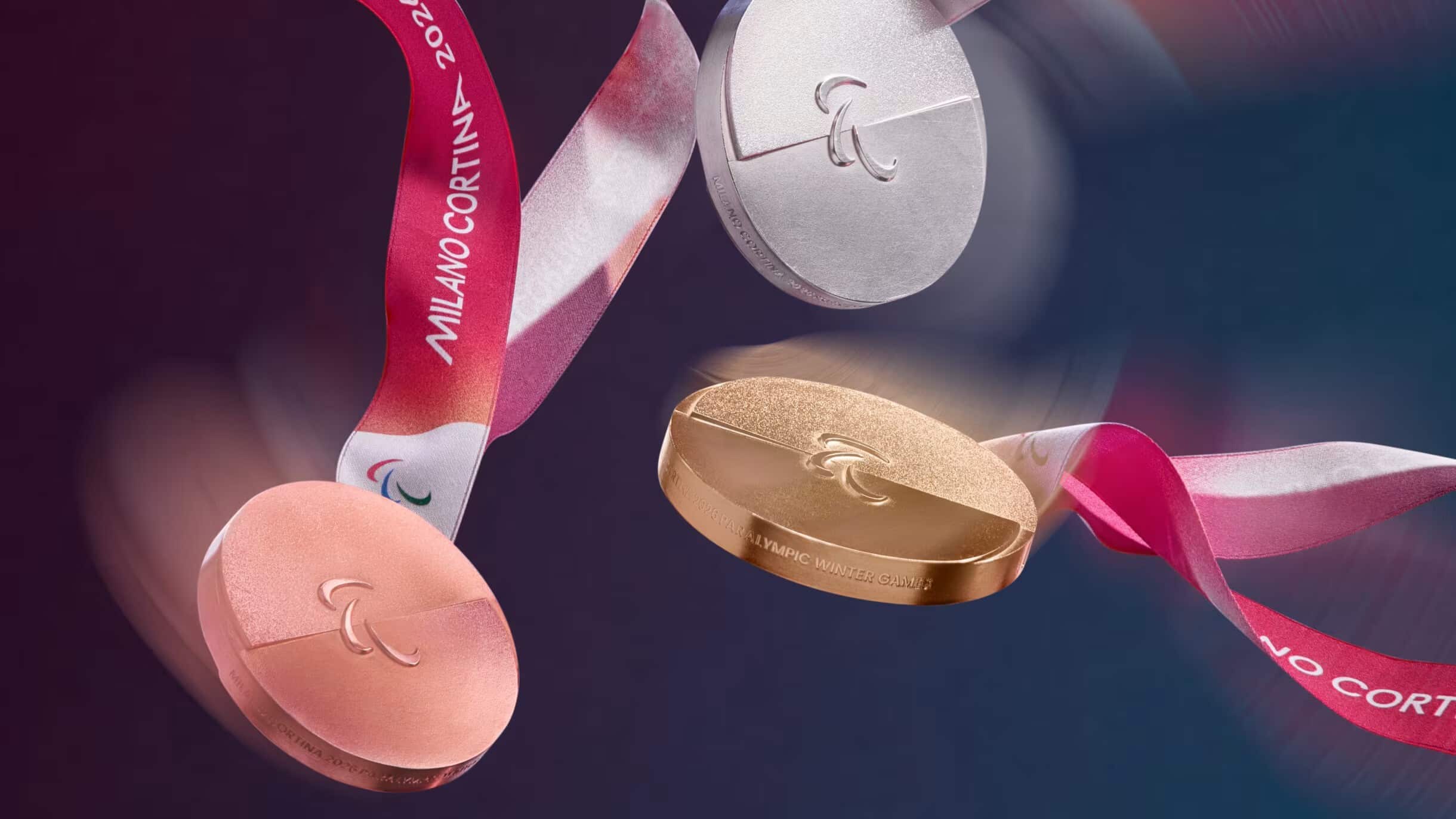
The 2026 Winter Olympics in Milan and Cortina have just begun, but one question is already causing debate – what is the real value of an Olympic medal? The presentation of the official medals in Venice revealed not only their design, but also a very mundane reality.

The medals for the 2026 Milan-Cortina Winter Olympics feature a two-part design, symbolizing the connection between the two host cities. The shiny and matte sides represent not only Milan and Cortina, but also the two sides of the medal – the visible triumph and the invisible, grueling journey to it. But beneath the aesthetic form lies a much simpler material composition.
The gold medal, weighing 506 grams, is not made of pure gold. According to the rules of the International Olympic Committee, it is cast from 999-fine silver and covered with a six-gram layer of pure gold. This means that the majority of the “gold” medal is made of silver. Silver medals weigh 500 grams and are made of the same 999-fine silver, while bronze medals weigh 420 grams and are cast from copper.
Numbers that may surprise you
At current precious metal prices, the net material value of a gold medal is around 850-900 euros. About half of this amount is silver, the other half is just six grams of gold. The value of a silver medal ranges from 425-450 euros, and a bronze medal, although symbolically no less important, is worth only a few euros in monetary terms.
Compared to the medals for the Paris 2024 Summer Olympics, the difference is small. Back then, the gold medals were a bit heavier – 529 grams – and their material value was around 878 euros. So the Milan-Cortina awards are a bit lighter and accordingly a bit “cheaper”, at least in terms of metal prices.
Not gold, but history
An interesting fact often debunks myths: in the entire history of the Olympic Games, gold medals have only been made of pure gold once – at the 1912 Stockholm Games. Everything else we call “gold” is actually silver with a gold coating. This shows that even the Olympic tradition has long since separated symbolic value from material value.
A total of 1,146 medals will be awarded at the 2026 Winter Games, both Olympic and Paralympic. The numbers are impressive, but for each athlete, their medal will be unique and one-of-a-kind, regardless of whether its market value is a few hundred or a few thousand euros.
A value that cannot be calculated
Ultimately, one thing becomes clear: the true value of an Olympic medal has nothing to do with bullion markets. It lies in years of training, injuries, sacrifices, and moments when a split second makes all the difference. So while a gold medal may cost less in real terms than some watches or phones, for an athlete it means something that money cannot buy: a place in sporting history.
And that is precisely why an Olympic medal, despite its modest material value, remains one of the most expensive awards in the world.
Credits:
Image:


