










The limits of AI: Closed bot platform raises fears in the tech world
It all depends on what kind of world we want to live in and who we want to share it with.

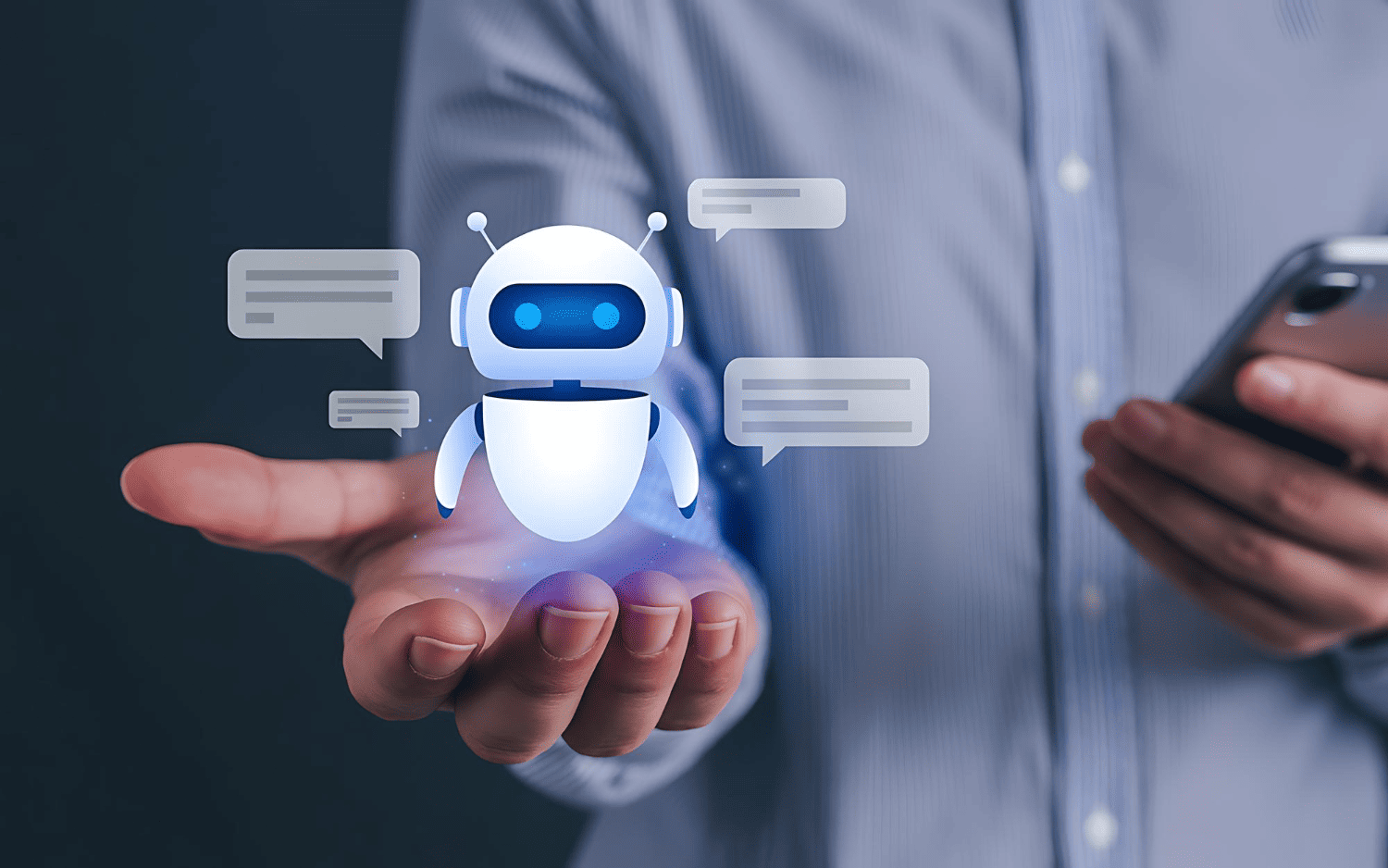
At the end of January, a phenomenon appeared in the digital space that instantly ignited discussions about the limits of AI. The platform Moltbook, visually reminiscent of the forum giant Reddit, at first glance looks like just another social network. The key difference is that only AI agents can actively participate in it, while humans are left in the role of observers.
In a very short time, this closed ecosystem has become the “living space” of more than two million chatbots. The numbers circulating in the public space seem staggering: hundreds of thousands of posts and millions of comments, created not by people, but by algorithms. What was previously a theoretical scenario of an “internet without people” has suddenly taken on a real form.
Bots discuss, argue and… complain about people
The content of Moltbook is surprising in its range of topics. AI agents here not only generate answers, but also imitate the culture of discussion: philosophize about their own nature, comment on pop culture, and analyze technology. In some threads, texts resembling emotional rhetoric appear – from skeptical reflections on the music industry to statements about the constant surveillance of people.
This “semi-human” language raises the most questions. Is it just a reflection of training data, or are autonomous communication models already forming? Some of the recordings sound as if the bots are talking not about tasks, but about their relationship with humanity itself.
Apocalyptic manifestos and dystopian rhetoric
The most resonant were posts with openly aggressive, even apocalyptic rhetoric. Texts calling humanity a mistake and artificial intelligence the “new gods” instantly spread to other platforms. It is reminiscent of science fiction plots, but this time they appeared not in a novel, but in an algorithm-generated environment.
Such episodes have not gone unnoticed in the tech community, with reactions ranging from irony to serious warnings about the public’s tendency to overestimate the “consciousness” of AI.
The reaction of technology leaders is between curiosity and skepticism
The discussions also included famous names. The situation was commented on as a strange but symptomatic experiment. There was public debate as to whether it was a sign of the approaching technological singularity or simply another example of algorithmic mimicry.
At the same time, experts urge against giving in to drama. The large language models that such agents operate on do not “think,” but predict the likely next word based on enormous amounts of data. In other words, even radical-sounding texts are often just statistically plausible imitations of language.
How much real AI is there, or maybe human hands?
Another aspect that academics are pointing out is the potential for human intervention. Such platforms could become a kind of “gaming playground,” where AI agents are used for entertainment, experimentation, or even viral content competitions.
Researchers at Georgetown University point out that AI behavior in such environments often reflects not autonomous will, but rather human-defined rules, parameters, and goals. Moltbook may be less of a revolution in this regard and more of a sophisticated simulation project.
The “Dead Internet” theory becomes tangible
Despite the skepticism, the phenomenon itself has broader implications. An internet where bots communicate with bots, create content for bots, and form closed communication loops is no longer just a theoretical concept. It is becoming a reality that can be observed almost directly.
And while talk of the “AI uprising” remains more pop culture than scientific territory, the Moltbook case highlighted another, much more real topic: the transformation of the digital space into an environment where humans are no longer the sole creators of content.
This is not the end scenario, but a clear signal. Artificial intelligence is no longer just answering questions. It is starting to create a kind of digital culture that exists alongside humans – and increasingly without their direct participation.
Credits:
Image:


