










Expected rise of minimalist web design (2026)
Why does simplicity win in most cases, because less is more? This rule confirms it.

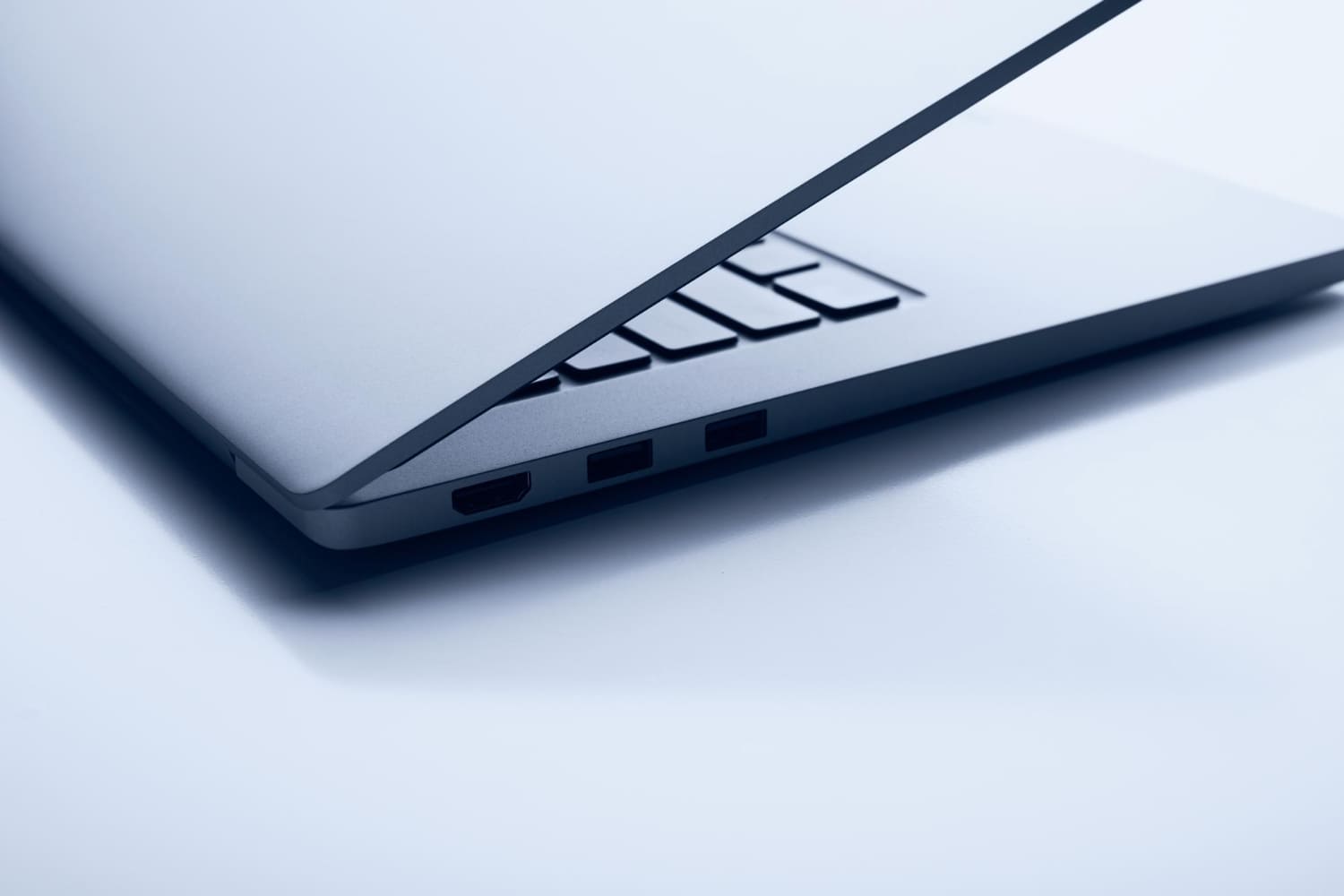
The minimalist lifestyle is well known to many, when you have to live in a small apartment, where there is no space anyway, so thinking about furniture that would take up space would be simply unacceptable. A minimalist wallet, where a few euros a month also have an impact on your living expenses. It means that you have to somehow come to terms with such a situation, but it helped me look at minimalism and simplicity with different eyes.
Having fewer things – and only those that serve a purpose – has allowed me to focus on what really matters. It’s not just design or aesthetics that matter; it’s also about intention and clarity – values that translate seamlessly into website design.
A matter of functionality
Functionality is everything, when all your ideas and things have to fit into a web design, which must be simple in structure without any hesitation leaving room for improvisation, providing users with a clean, intuitive experience that respects their time and attention. The power of minimalism lies in its ability to simplify, optimize, and improve – whether in living spaces, lifestyles, or websites.
In the ever-changing world of web design, one principle has stood the test of time: simplicity. As we head into 2026, minimalist web design is no longer just a trend – it’s a necessity. With the ever-increasing volume of digital content and the growing need for a seamless user experience, minimalist design has become the gold standard for modern websites. But why is this approach winning the hearts of both designers and users?
Power of clarity
Clarity, simple communication between web design and user, and in 2026, users expect websites to communicate their purpose within seconds. Whether it’s a startup’s homepage or an e-commerce platform, a clean and focused design ensures that visitors find what they’re looking for without any distractions.
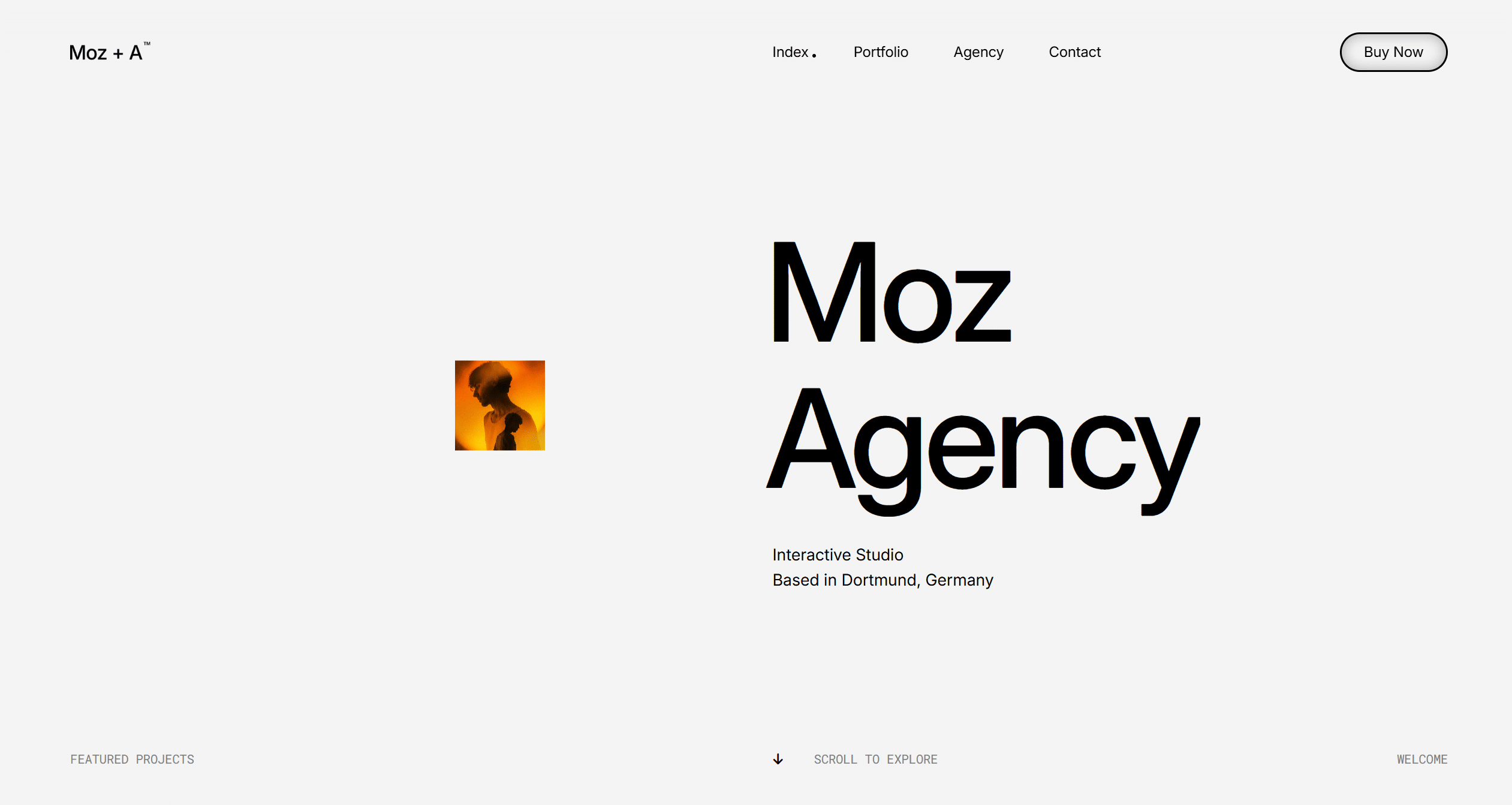
Large companies are paying close attention to maintaining a strong content-centric approach. Companies like Apple and Airbnb have doubled down on minimalism, using ample white space, bold typography, and intentional colour palettes to guide user attention. The need is to ensure that the customer spends as much time as possible and finds the information they need instantly.
Speed is king
Users don’t like to wait, they especially like fast loading web pages. There is no speed, there is no desire to suffer while everything loads. So it is worth paying a lot of attention to speed. That not only enhances the user experience but also improves SEO rankings. Google’s algorithms in 2025 prioritise user-first metrics like page load time and mobile responsiveness, making simplicity a critical factor for visibility.
Small screen optimization
Since the majority of web traffic comes from mobile devices, minimalist design is a great solution for small screens. Responsive design combined with minimalist elements ensures that websites look and function great regardless of the device. This is a necessity to make buttons easier to tap, text easier to read, and navigation simple – all of which contribute to a smooth mobile experience.
Accessibility for everyone
Inclusion is at the forefront of web design in 2026. Minimalist websites are more accessible by design because they reduce cognitive load and focus on usability and simplicity. Clear navigation, high contrast, and well-structured layouts make content easier for everyone, including those with disabilities. As companies and organizations strive to meet accessibility standards, minimalism is becoming a practical and ethical design choice.
Timeless aesthetics
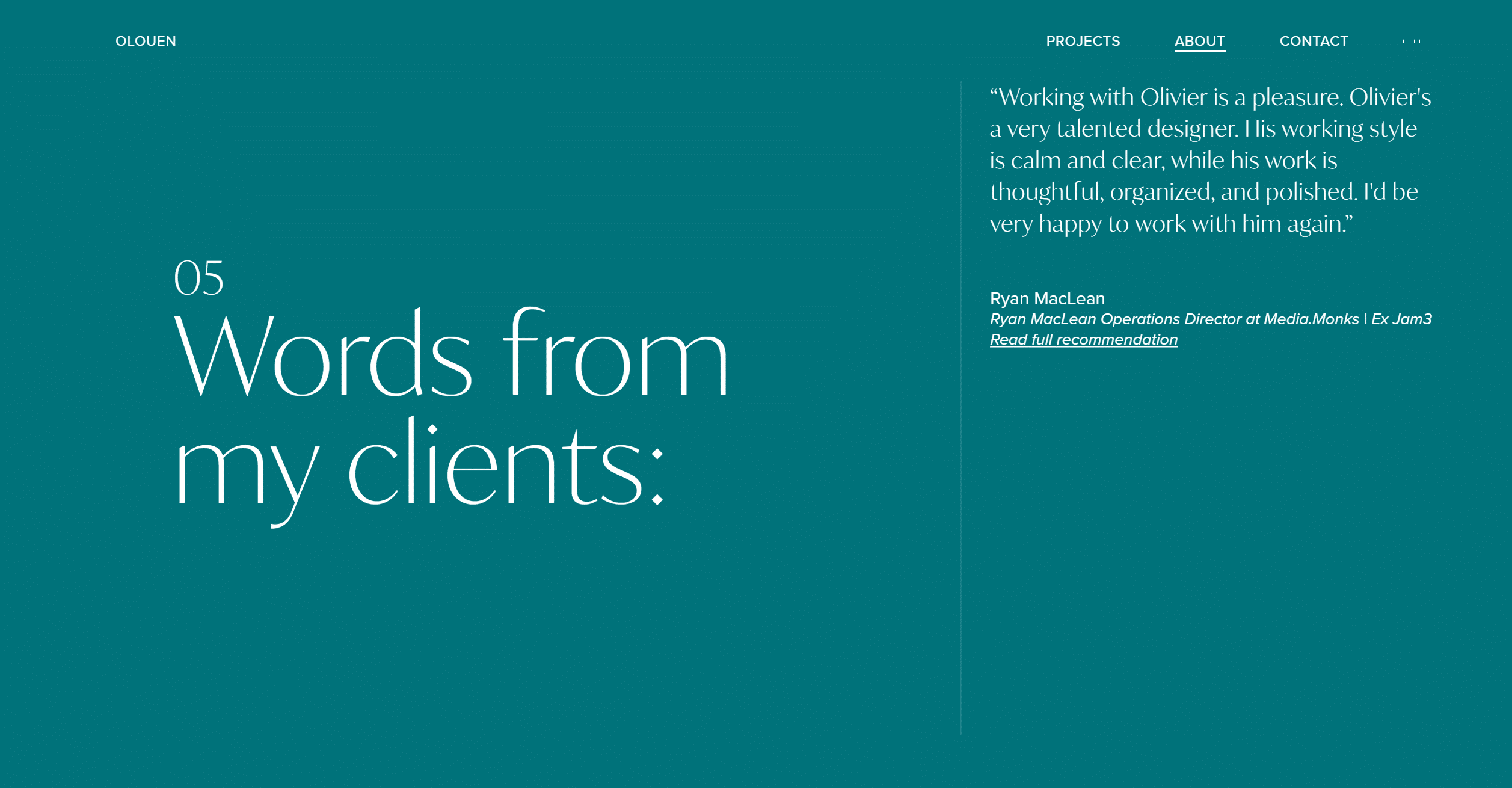
Trends come and go, but minimalism is timeless. It’s relevant everywhere, including in website design. In 2026, brands will realize that a minimalist website not only looks good today, but will also remain relevant for years to come, reducing the need to change designs frequently, resulting in less money spent and fewer staff needed to implement changes.
How to apply minimalism in web design
If you’re ready to simplify your website and reap the benefits of minimalism, here are some tips:
- Start by identifying the main message of your website. What do you want users to focus on? Remove any elements that don’t support this message.
- Simplify the navigation. Use only one main navigation menu. Don’t use dropdowns for navigation, which can easily hide a cluttered menu.
- Make smaller file sizes as they improve the load speed. Compress images, use efficient code. Faster loading and faster responding websites improve user experience.
- Don’t be afraid of empty spaces. White space helps direct users’ eyes and highlights key elements.
- To maintain a clean and cohesive look, stick to a few complementary colors.
- Focus on typography. Bold, legible fonts can make a strong statement and improve readability.
The bottom line
Looking ahead, it’s clear that minimalism is more than a design trend – it’s a response to the complexity of the digital age. By choosing simplicity, businesses can create websites that are not only visually stunning, but also functional, engaging, and future-proof.
Credits:


