







10 ‘UI’ Trends to watch out for (2026)
Solutions that were effective a couple of years ago will now be outdated.

In 2026, design will focus on visual appeal in conjunction with AI, as the focus shifts to the user’s emotional space. Great designs will be minimal, humanish, and considerate of the user’s time and attention. Listed below are some of the key UI trends that will impact UI in 2026.
A great user interface experience ensures that this interaction is intuitive, smooth, and even enjoyable. It can make the difference between user feeling frustrated or empowered.
If you want to stay ahead, you need to keep an eye on where things are headed. That’s why I’ve put together this list of 10 UI trends that will dominate in 2026.
Key Takeaways
- Design work is now a measurable lever for corporate growth.
- Limited attention spans require faster, clearer, and more personalized content.
- The selected trends are directly related to conversion, trust, and customer retention indicators.
- The recommendations apply to a variety of industries and team sizes, from SaaS to e-commerce.
- The evaluation focuses on increasing engagement, reducing costs, and ensuring the workflow suitability of the tools.
UI design Trends 2026: Key changes shaping the future of user experience:
Here we go:
1. AI-powered imagery
It’s clear that we have one of the most important competitors in this race, but there’s no doubt that AI is changing the way designers create visual elements. By 2026, AI-powered imagery will become the primary choice for creating custom assets. These tools allow designers to create visual elements tailored to their projects, eliminating the need for generic stock photos.
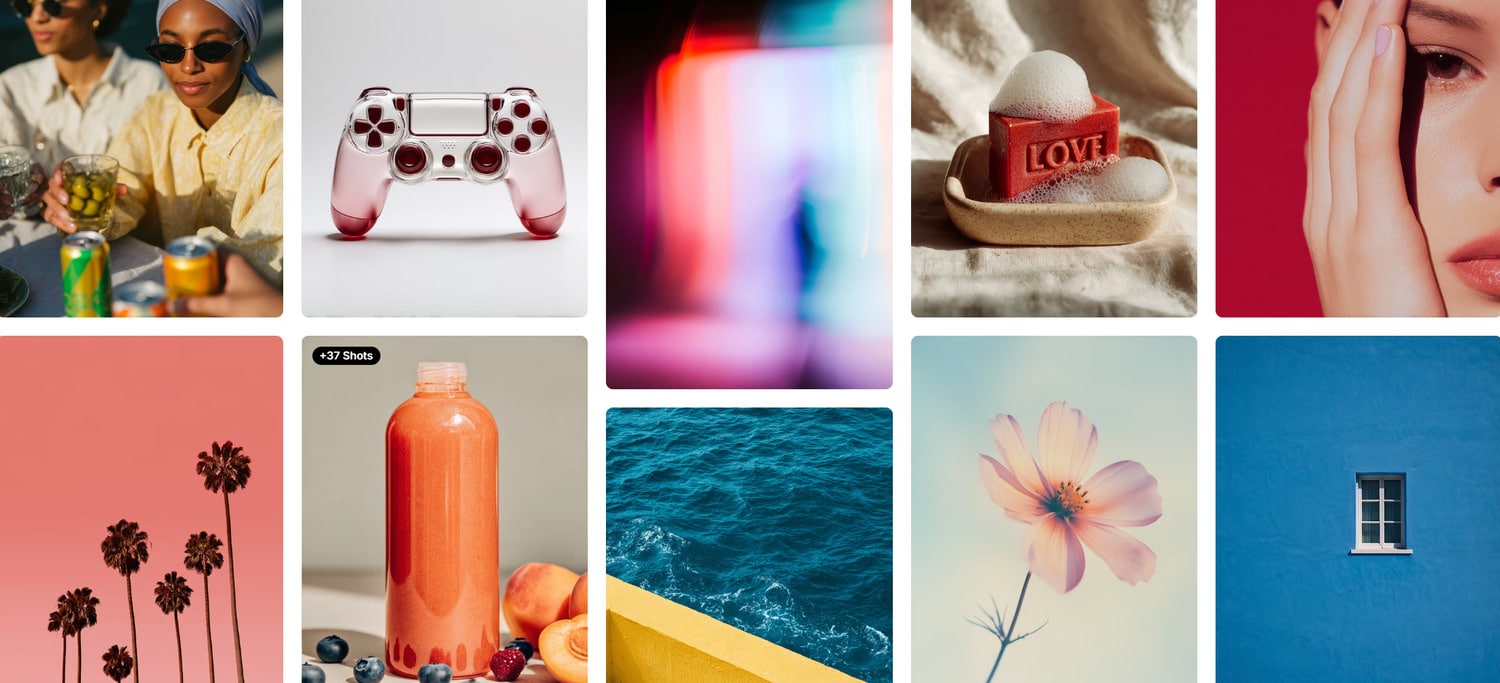
This trend is a key part of how in 2026 UI design trends are prioritizing user-centric designs.
2. Improved dark mode
Dark mode has been jumping from being a nice-to-have feature to being an essential part of user interface design. Users now expect a seamless transition between light and dark themes, and designers are working to meet this demand.
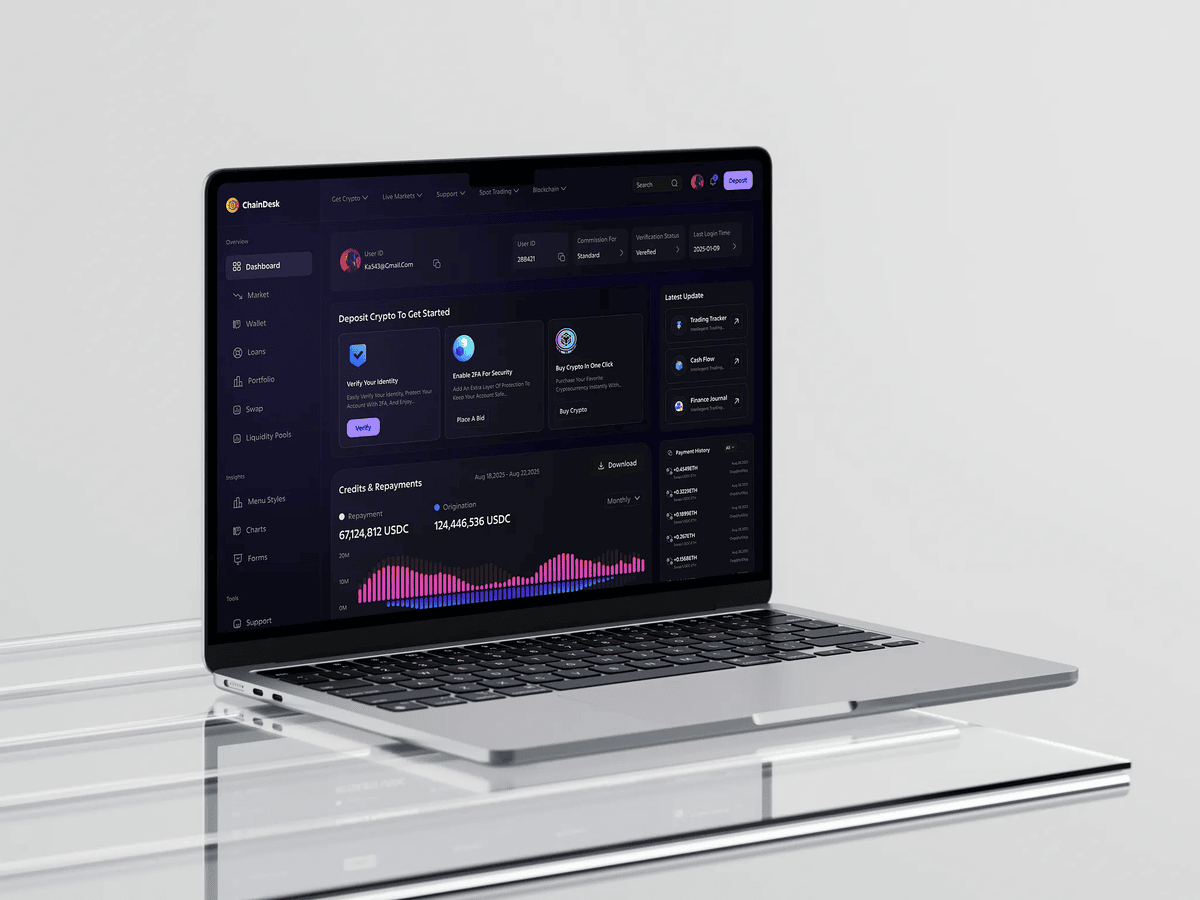
Dark mode design in 2026 is more than just inverting colors. Designers are focusing on subtle variations in dark tones to ensure readability and maintain visual harmony. Whether it’s automatic toggles or user-controlled settings, dark mode is here to stay.
3. 3D / Holographic elements
Flat design has its moment. We’re now seeing more 3D elements: depth, shadows, floating cards, maybe even holographic effects. Not VR, but enough to make user interface feel layered and alive.
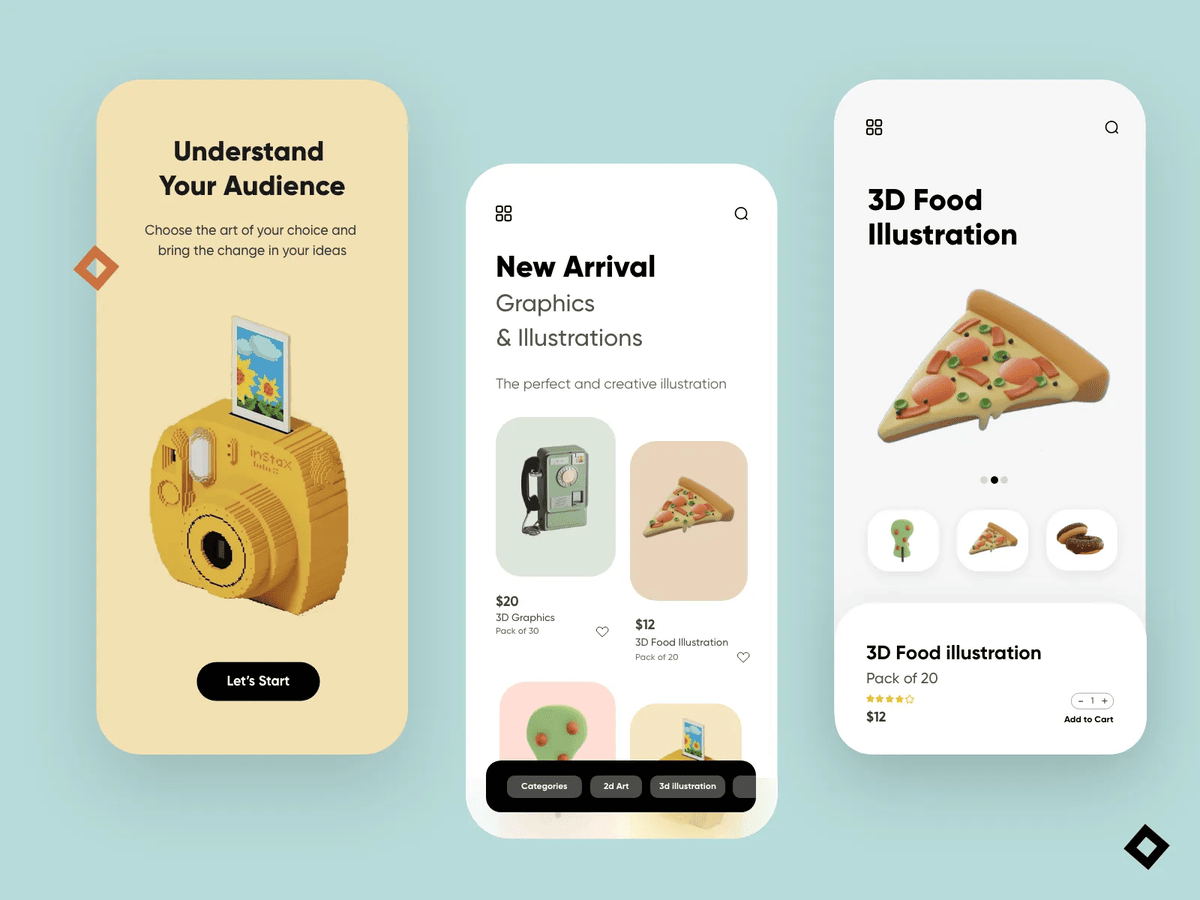
A card can tilt when you drag it. Hovering can create shadows. Scrolling can make it feel like you’re moving in physical space. Useful for immersive report dashboards, maps, product demos. Danger: if you overdo, it can feel heavy, slow, or too mundane.
4. Complex animations
Animations are evolving from simple hover effects to full-fledged storytelling tools. Complex animations, such as scroll-triggered interactions, cursor-based effects, and parallax scrolling, add interactivity, motion and keep users engaged with micro interactions.
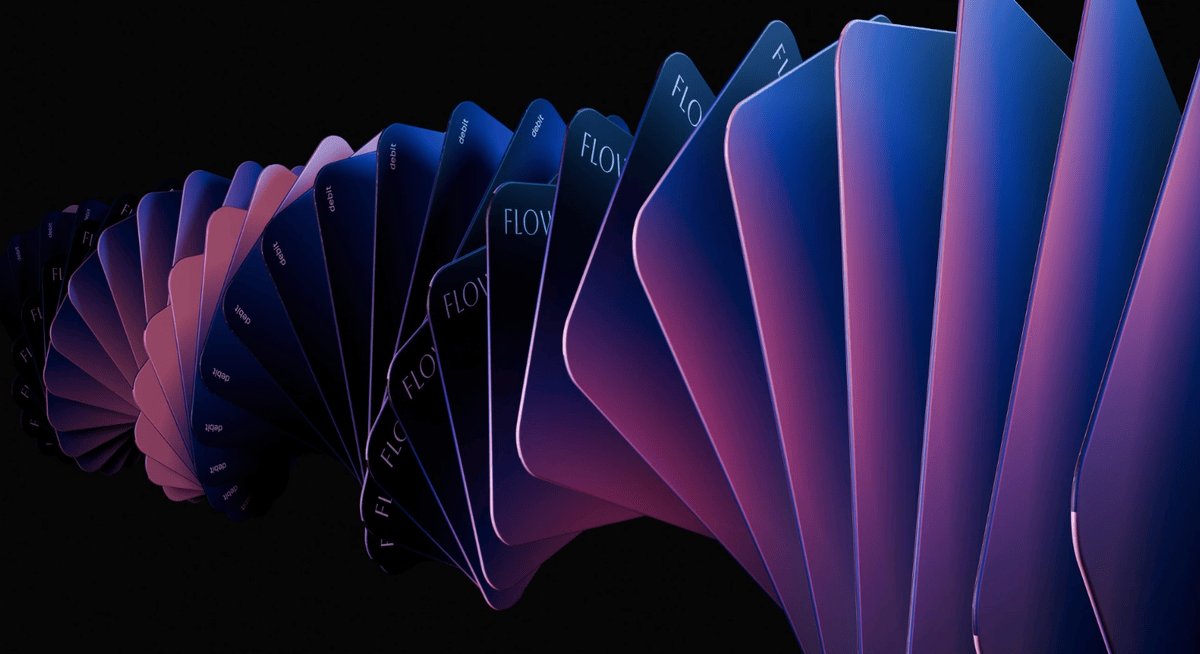
These animations are also functional. They can help users navigate content, highlight key features, and make navigation more intuitive. Given the increasing availability of design tools that support animation, this trend is expected to spread in 2026.
5. Say hello vibrant colors
Muted tones and corporate blue are being abandoned in favor of bold, vibrant palettes. Designers are opting for rich, dynamic colors to create interfaces that are fun, fresh, and full of personality.
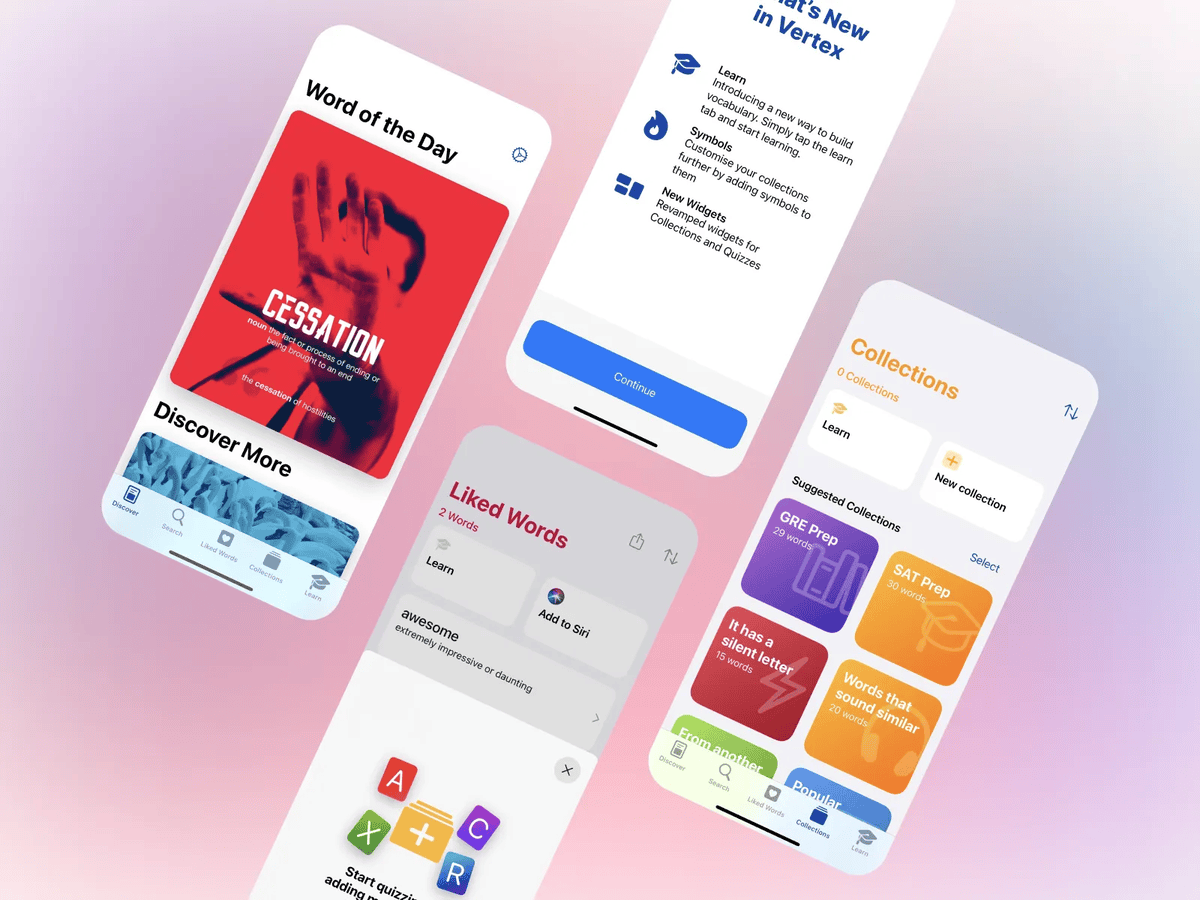
Gradients in particular are making a comeback. Discover them again, layered with textures and patterns that add depth and energy to your designs. This trend reflects a broader trend towards playful and accessible digital experiences.
6. Brutalism has its return
Just when polished minimalism starts to feel safe, brutality will creep in again. Big blocks, sharp contrasts, typography that looks like someone threw the menu in a blender. It will be rough. It will be weird. It will stand out.
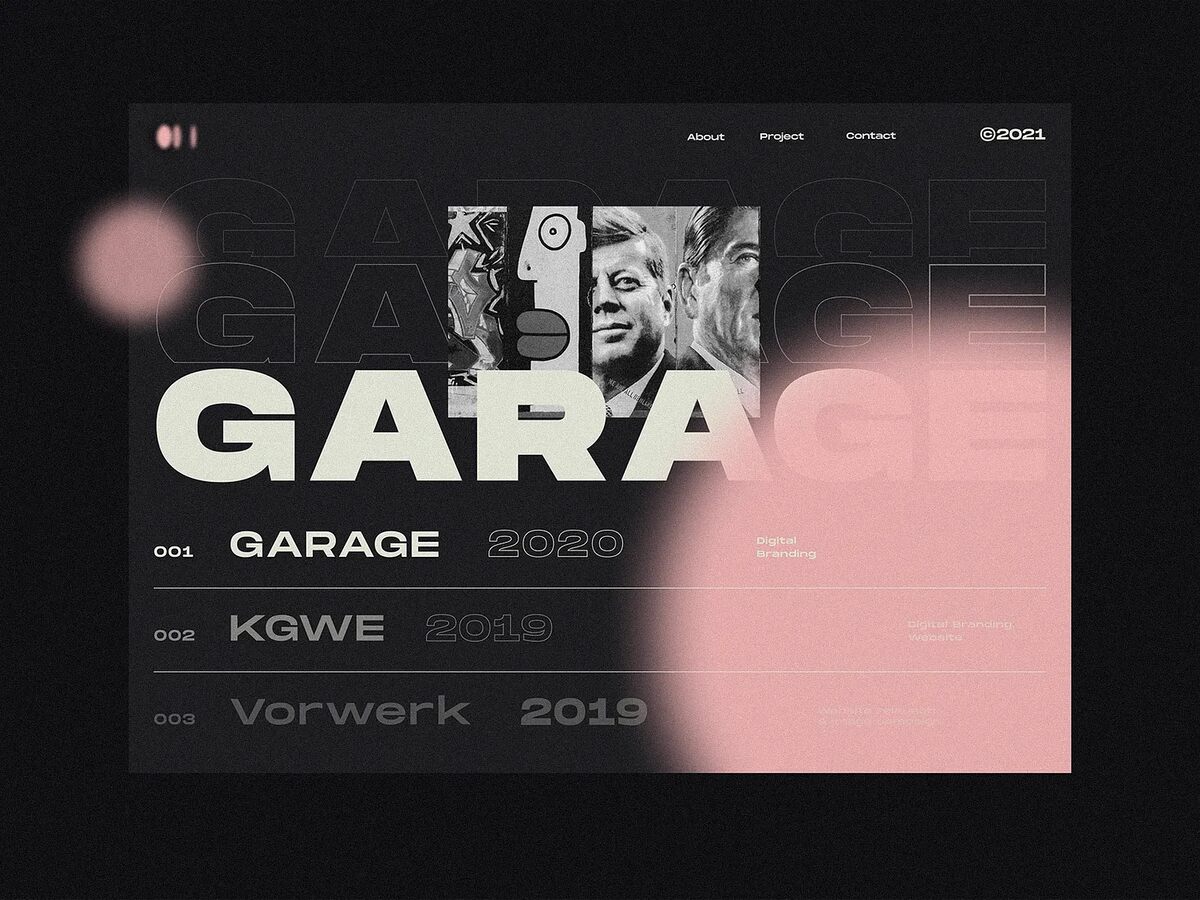
Expect designers to use messy candy colors, big headlines, and “intentional ugliness.” Because sometimes breaking the rules is the fastest way to hook someone.
7. Layering is coming to life
Flat design isn’t going away completely, but the rise of dimensionality and layering is giving digital experiences more depth and energy. Designers are creating dynamic layouts with overlapping elements, textured backgrounds, and thoughtfully placed layers of text, images, and shapes.
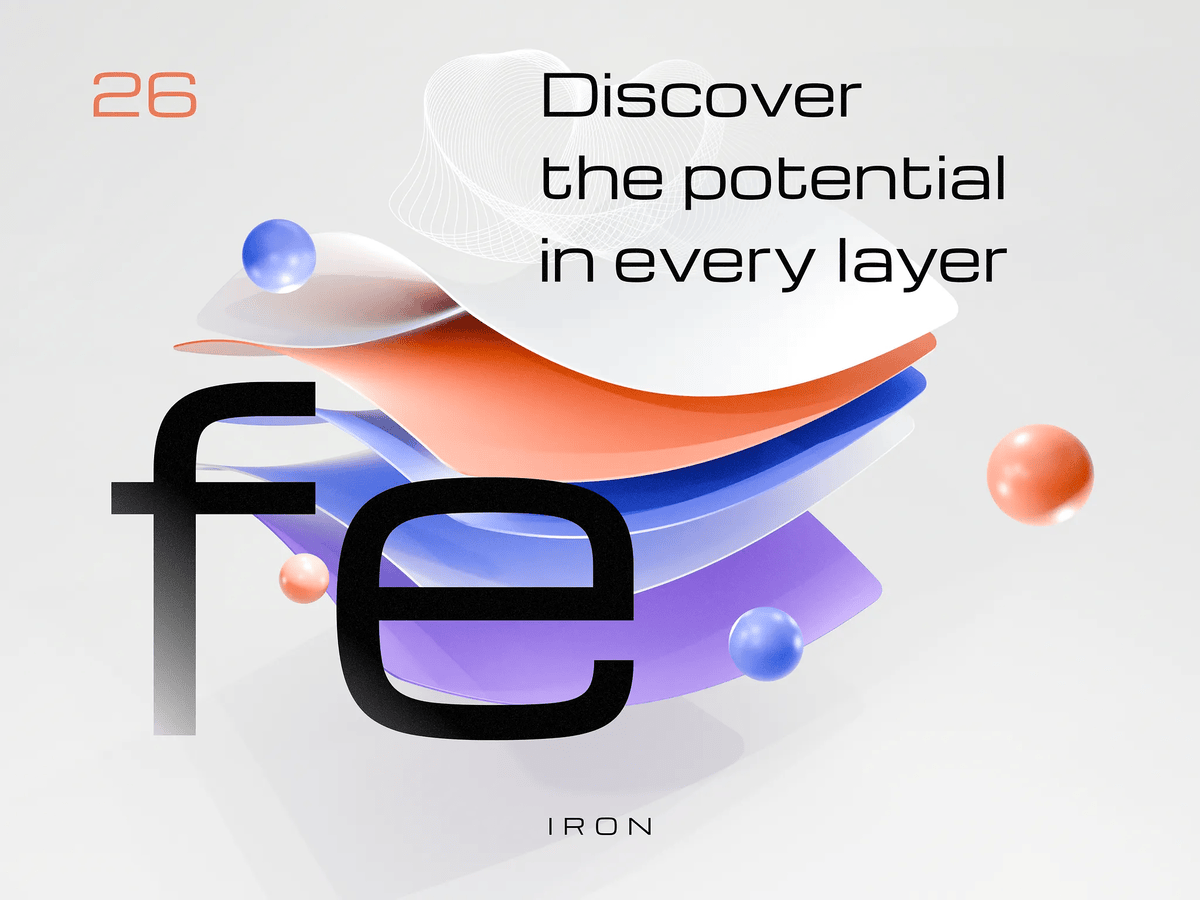
This approach gives interfaces a tactile feel, making them more engaging and creating an immersive experience. Dimensions also help users navigate content by emphasizing hierarchy and movement. This trend is expected to remain a major part of UI design trends in 2026.
8. Bento grid layouts
Bento grid layouts are gaining popularity due to their clean, modular structure. These grids divide content into easy-to-understand sections, making interfaces more user-friendly and visually appealing.
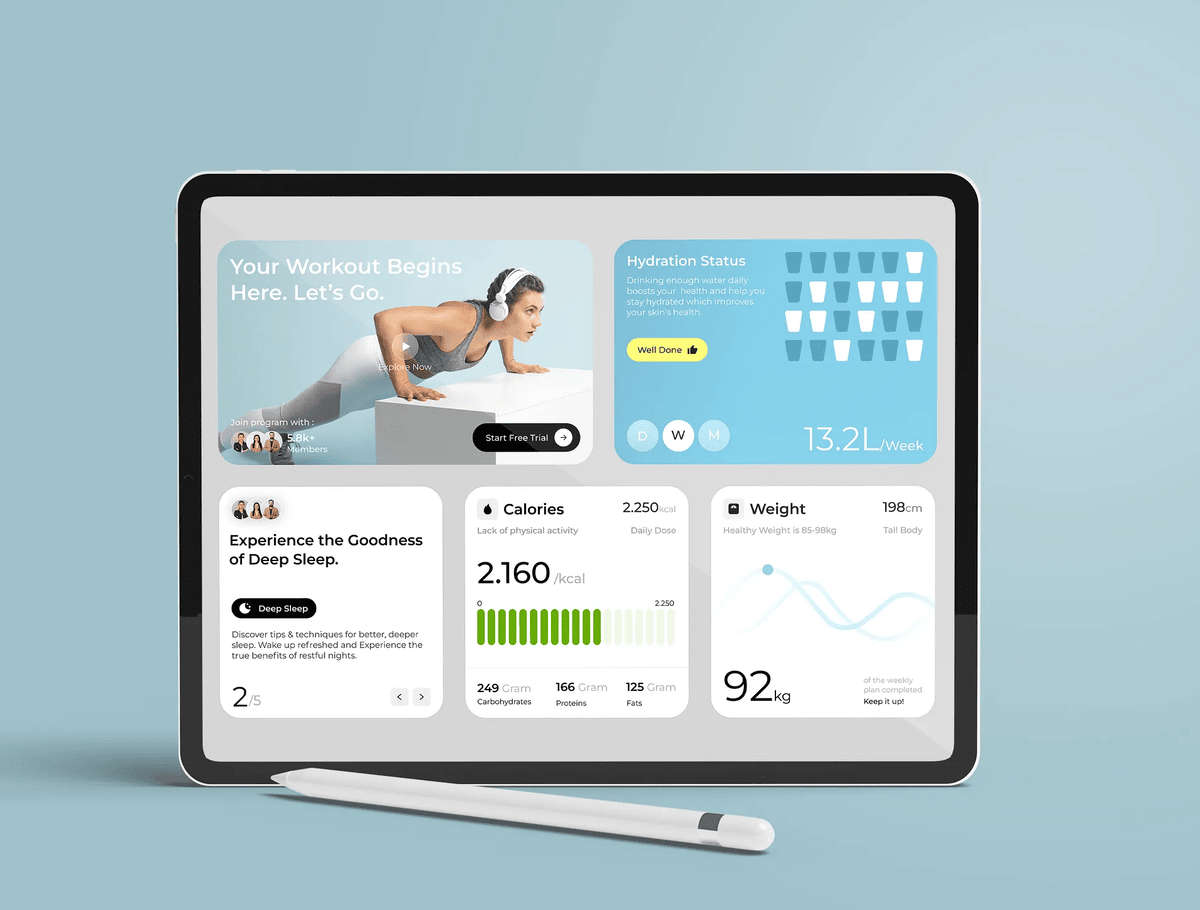
Bento Grids are unique in their flexibility. They work across web, mobile, and software applications, offering a cohesive design that looks modern and intuitive. This trend will continue to shape user interface design in 2026.
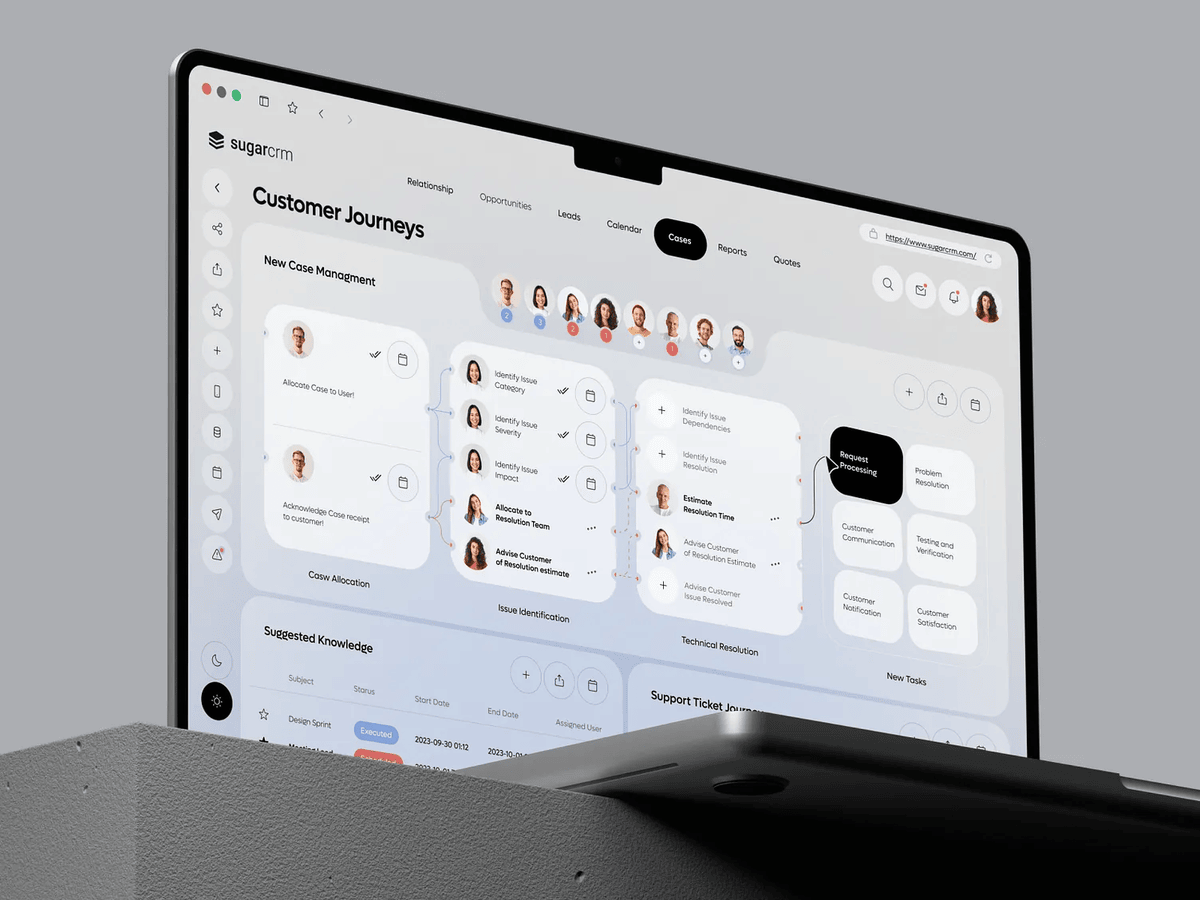
9. Personalized dashboards
Dashboards will become less like boring control panels and more like personalized life coaches. These dashboards will use behavioral data, preferences, and maybe even mood indicators. If your current designs aren’t personal, you’ll be behind.
10. Voice interaction
We’ve had voice assistants. In 2026, more user interfaces will expect you to talk. Not just “Hey Siri,” but real navigation, commands, and conversational flows baked in. Designers will need to plan dialogues, error responses, fallback screens (when voice recognition fails), and how voice and interface will work together.
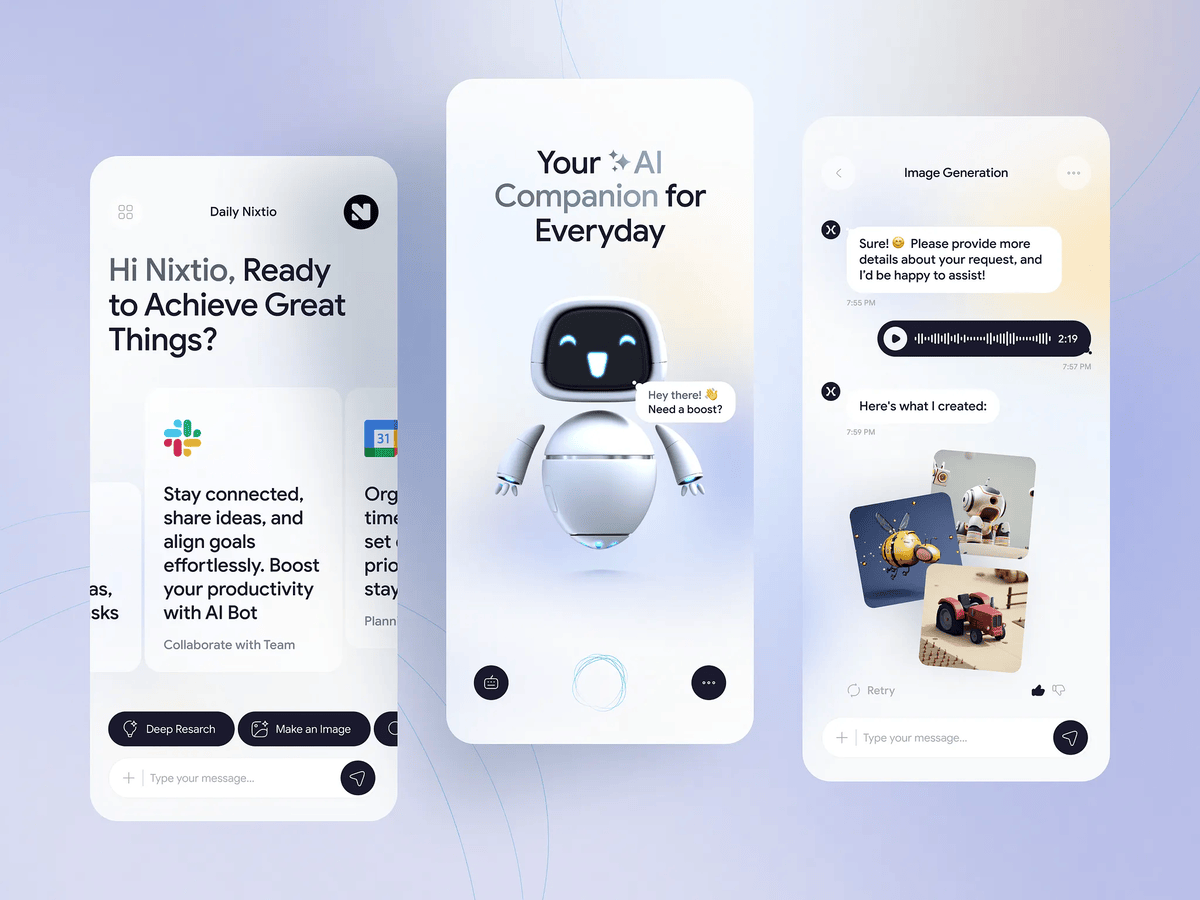
If your workflow doesn’t include thinking about voice interaction, it’s time to start.
Conclusion
The world of user interface design is changing rapidly. Popular design elements and what seems modern today may seem outdated in just a year or two. This rapid evolution is driven by technology, user needs, and cultural shifts.
For years, flat design has reigned supreme in digital interfaces. The style’s simplicity and clean aesthetic brought order to the web, and for a while, it seemed like every interface followed the same principles. Flat design emphasized clarity and ease of use, but it often lacked the dynamic and engaging features that today’s users crave.
The year of 2026 is more near, and things have changed again. Today’s design trends prioritize form over function, combining aesthetics with usability in a way that improves the overall experience.
Credits:


