











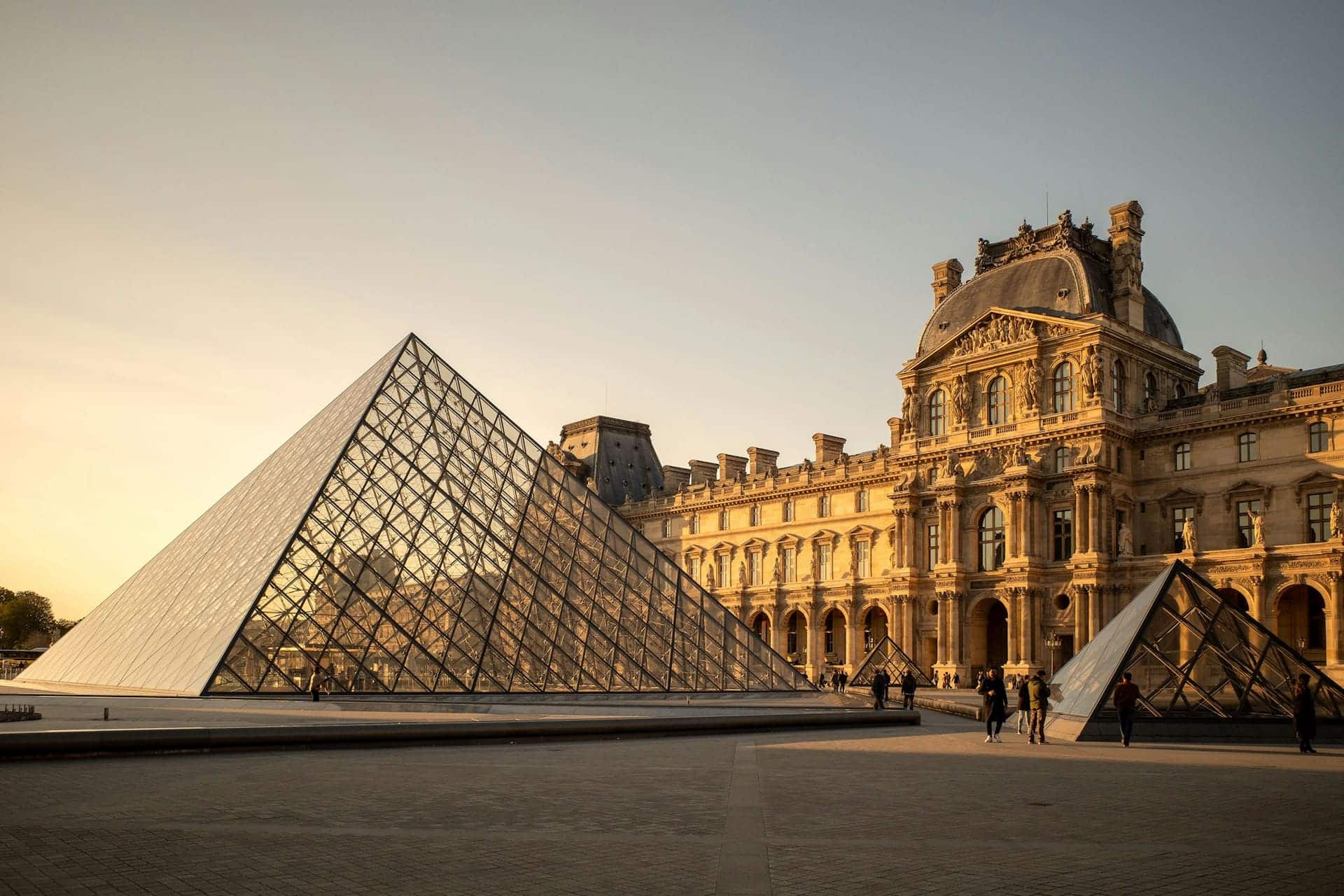
Nothing disrupts a museum’s priorities like thieves making off with a crown and jewels in broad daylight. The Louvre is rushing to bolster its defenses after a high-profile robbery in which thieves stole Napoleon’s jewels worth more than $102 million.

The museum confirmed it would install 100 new exterior cameras and set up a police station on the premises, following a theft on October 19, when a group posing as workers used a forklift to reach the balcony of the Galerie d’Apollon, smash the display windows and make off with nine of the French crown jewels.
Louvre director Laurence des Cars detailed the upgrades at a press conference at the French National Assembly on November 19. She said the new cameras, which are expected to be fully installed by the end of 2026, are part of more than 20 urgent measures to strengthen the museum’s exterior walls and reduce reliance on what she acknowledged was an outdated perimeter surveillance system.
In addition to the cameras, cooperation with the police will be enhanced through a new on-site station, ensuring that officers remain on the museum grounds rather than only responding after an incident has begun.
In recent weeks, pressure to act has grown. In addition to the theft itself, the Louvre faced an even greater embarrassment when it was revealed that the password for its surveillance system was simply “louvre.” Two Belgian pranksters also managed to hang their own painting next to the Mona Lisa without being noticed.
The stunt, along with the jewel theft, has heightened public concerns that the world’s most visited museum may be inadequately prepared to protect its collection. Des Cars said she offered to resign after the robbery, although the Culture Ministry rejected it.
The new measures will be part of the Louvre’s ongoing New Renaissance renovation program, which includes structural repairs, crowd management changes and a future gallery built specifically for the Mona Lisa. The authorities are also stressing the importance of treating the Louvre as both a cultural icon and a vulnerable heritage site that requires modern security to match its global profile.
Interpol continues to add stolen jewels to its database, although experts warn that the return of such items to the public is unlikely once they enter illegal networks.
Credits: