








Apple’s Liquid Glass: It’s actually amazing
I want to apply a design strategy approach to explain what makes "liquid glass" great.

I was one of the first to think negatively about iconic Apple’s Liquid Glass (iOS 26). But as I got to know it better, I started to like it more and more. As they say, you shouldn’t judge a product until you have it in your hands. It’s the same with Liquid Glass, from hate to love, it’s just one step. I’m starting to feel like this is going to be one of Apple’s best creations, in the truest sense of the word.
There are a lot of memes about Liquid Glass – I want to use a design strategy perspective to explain what makes Liquid Glass great. If you are a design student or new to design, you will be overwhelmed by all the memes and trolls without any real analysis of the creations that Apple has created.
First, this isn’t going to be a debate about whether this design is some or other. Apple has made some terrible designs in the past (like the Apple Music UI), so they’re not some holy grail of design truth. Instead, I want to explain what Apple has created that is truly amazing.
It’s a unique approach to a user interface design system
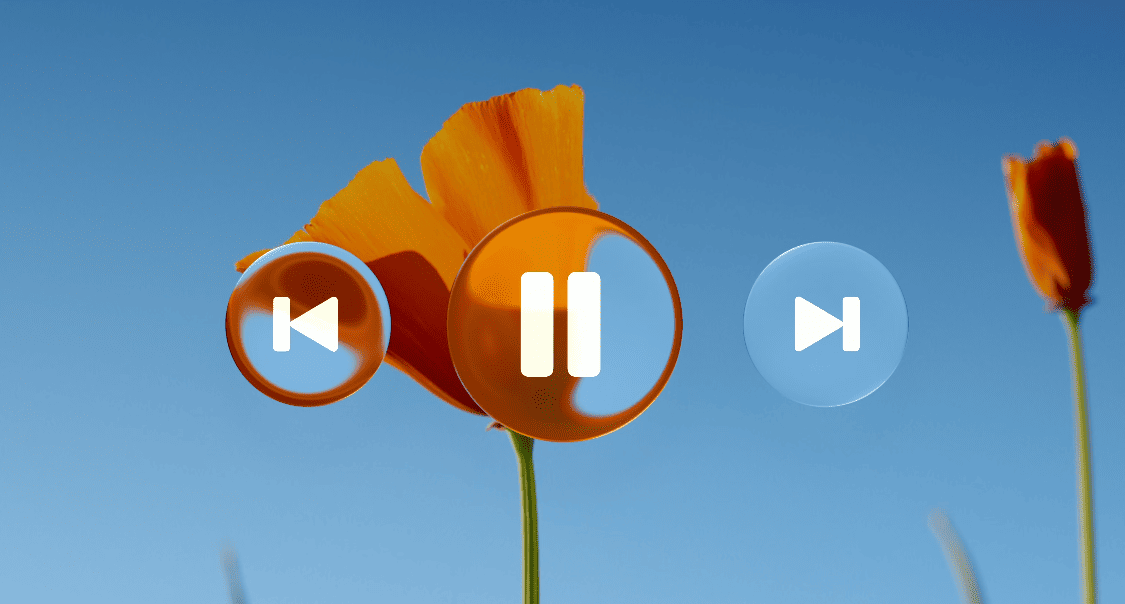
I included this particular photo in my post because it’s a great example of how liquid glass is different from Hollywood “science fiction” and even “Windows Vista”. In real time, images and video behind liquid glass bend and refract, as if a piece of glass were curved over the image. The way the image behind it is distorted and bent towards the edges of the user interface is called the lensing effect.
This type of design is hard to copy, it is coded only by Apple. No Huawei, Xiaomi or even Samsung will be able to beat such creativity, because it is genius and this style has a great future. It needs an M-chip and Apple’s OS to produce. Apple has found a way to stand up to various copycats and competitors. For them, it will be a real hassle to create something similar. You can copy the phone shape, the camera specs, but its UI cannot be copied. Attempts will look like Windows Vista.
Extremely high competence
The team that created this, not to mention the few individuals who tried to make it happen, are rare unicorns with a great understanding of programming and design. It takes vision to go beyond the aesthetics of Windows Vista.
Most designers would just stop and say, enough is enough, this is too much for me. And the Apple team, working together, can and does not stop in the middle of the work, because that challenge is not for them. They are able to talk to each other. This is certainly a very complicated design, which requires not only experience, know every special code and have big brains, to do that and not just any way, but exactly what can be called a Liquid Glass.
The challenge here is that high-level design is no longer a team of product and motion designers providing guidance to engineers who tell them what is and isn’t possible. It’s a few individuals, like specialized surgeons, with skills that some of us only dream of.
When we saw flashes of Liquid Glass OS on the Vision OS platform, there were no physical effects other than the blurring of frosted glass. Vision OS and this new OS did not acquire new tools, they created them.
Conclusion
In summary, we see a technical achievement, this is not an AI level that can only replicate something with feedback, controlling both software and hardware. A design system that breaks the traditions of previous system development. We also see a v1 version of the system that can be improved and improved. For example, you can add dyes to liquid glass to make the glass darker, so it is more accessible. Or you can increase the haze to make it less opaque. This is an innovative approach that breaks the rigid process of how design systems have been developed in the past.
There will always be those who criticize without seeing everything in reality. We all know better, so why don’t we do it ourselves? We are all experts without science.
Credits: