









How to incorporate AI into the design process without losing your voice
And they will win. They didn't give up the job. They exalted it.

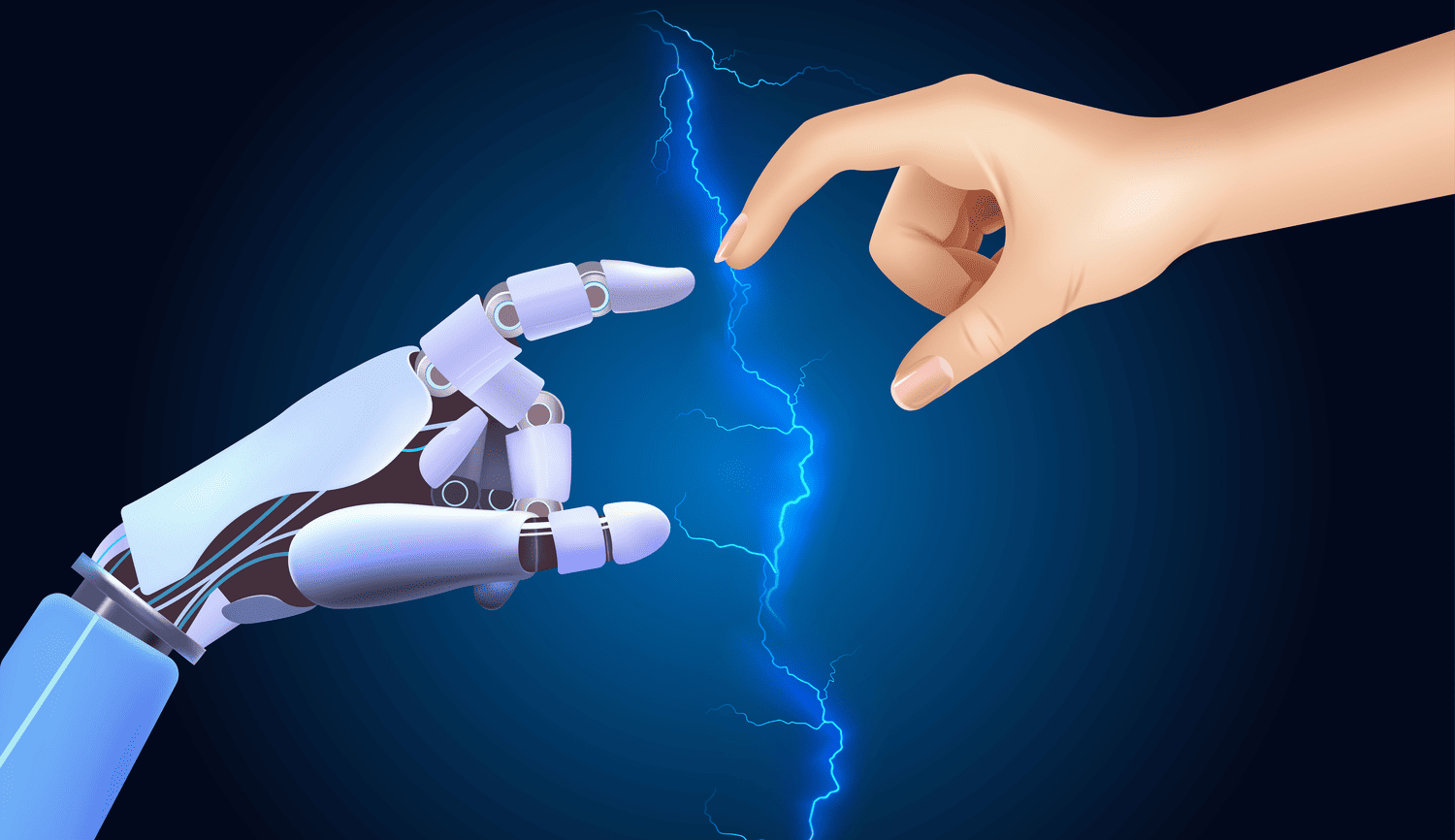
Designers who learn to use artificial intelligence purposefully, after mastering its skills, will get the job done faster, more accurately, and more humanly. They will spend more time solving the right problems, rather than struggling with processes that we already have to deal with. They will be able to ask better questions, find better paths, and tell stories more clearly.
Some see AI as an advanced tool that can “move mountains”, others see it as a threat that will take away jobs, designers will lose their skills, because its design will be created by machines, not ordinary human resources. So, there are many opinions, but I still think that the winner will be the one who will live with artificial intelligence and create together. And in general, can we choose?
Artificial Intelligence allows you to be free in creation
The truth lies somewhere in the middle. Artificial intelligence will not take our jobs. It will take our old processes. And without being scary, that’s good, there will be an opportunity to get the same result, but much faster. Technology will evolve together, and processes will be created not according to circumstances, but according to the need to use them.
I think we will be able to adapt, because according to scientists, the human brain works at only 10% capacity, and with artificial intelligence, that coefficient will expand and perhaps we will start flying to Mars or other planets sooner, because many things that we could master in our brains, using smart technologies, will come true like a long dream that the subconscious creates in 10 minutes.
Some design firms are using AI every day. Not to do the work for them, but to open it up. To make the creative process more diverse. To generate ideas faster. To spot patterns earlier. To help teams collaborate more clearly and with less guesswork. It’s already shaping concepts, conversations, and how clients understand the story we’re trying to tell. It’s a freedom and saves precious time.
Artificial intelligence is changing the way ideas are created
Every designer knows that the hardest part is the blank page. Artificial intelligence removes this fear. It provides a quick starting point, with the ability to move on to the most important stage: turning an idea into something meaningful. And those ideas are hard to come by when there are so many competitors; the smart technologies are here just in time.
I’ve seen designers use AI to research typography pairs, master colors, and their combinations. Generate visual layouts. Usually, without its help, it takes many hours. Not to finish a project, but to start it.
When you can explore twenty ideas in one sketch, your standards rise. You expect more of yourself. The satisfaction doesn’t fade. You see more possibilities. You notice details you didn’t notice or miss before. With or without help, making a creative decision is necessary. But it all happens with greater confidence and fewer losses.
Good designers aren’t afraid of more ideas. They’re afraid of bad ideas that take too long to see through. Artificial intelligence solves that.
Artificial intelligence strengthens strategy
Using artificial intelligence not only helps creative colleagues trust each other more as a team, but also works together with enthusiasm and with better momentum to create designs that stem from a good strategy. It’s true, good design comes from a good strategy. But mastering strategy takes time. It requires recognizing patterns, doing research, and being able to separate the noise from the truth.
Artificial intelligence helps with the hard work. It can be used to analyze brand audits, find themes in customer reviews, and compare competitors. It can spot inconsistencies, summarize insights, and help define a clear direction. It can also verify the work you’ve done for clarity and consistency.
Even the choice of raw materials and their costs requires a fierce assessment, so smart tools are useful in this sphere. The stronger the costs, the stronger the creation.
Artificial intelligence integration in the design process
Here are some simple ways creative teams can integrate artificial intelligence in a healthy way:
- Use it for exploration, not completion. Let the AI expand the field. You narrow it down as you see fit.
- Use it for articulation. Summarize insights, check tone, simplify language.
- Use it to experiment. Try extremes. Break the rules. Break your habits. Choose what sticks the most.
- Use it for teaching. Let younger students practice faster and with a wider context.
- Use it for documentation. Turn rough thinking into shareable thinking.
- Use it to check for consistency. Keep the visuals, tone, and story consistent.
And most importantly:
- Keep humanity at the center. Taste, empathy, curiosity, and being local remain the true standouts.
Conclusion
When you spend decades in design, it’s the biggest change I’ve seen since digital tools came into the field. But instead of replacing us, AI is reminding us of who we are. We are meaning makers. Translators. Curators of taste. Guides who help people see what they haven’t seen before.
Image: