







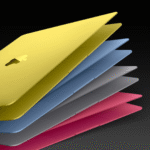


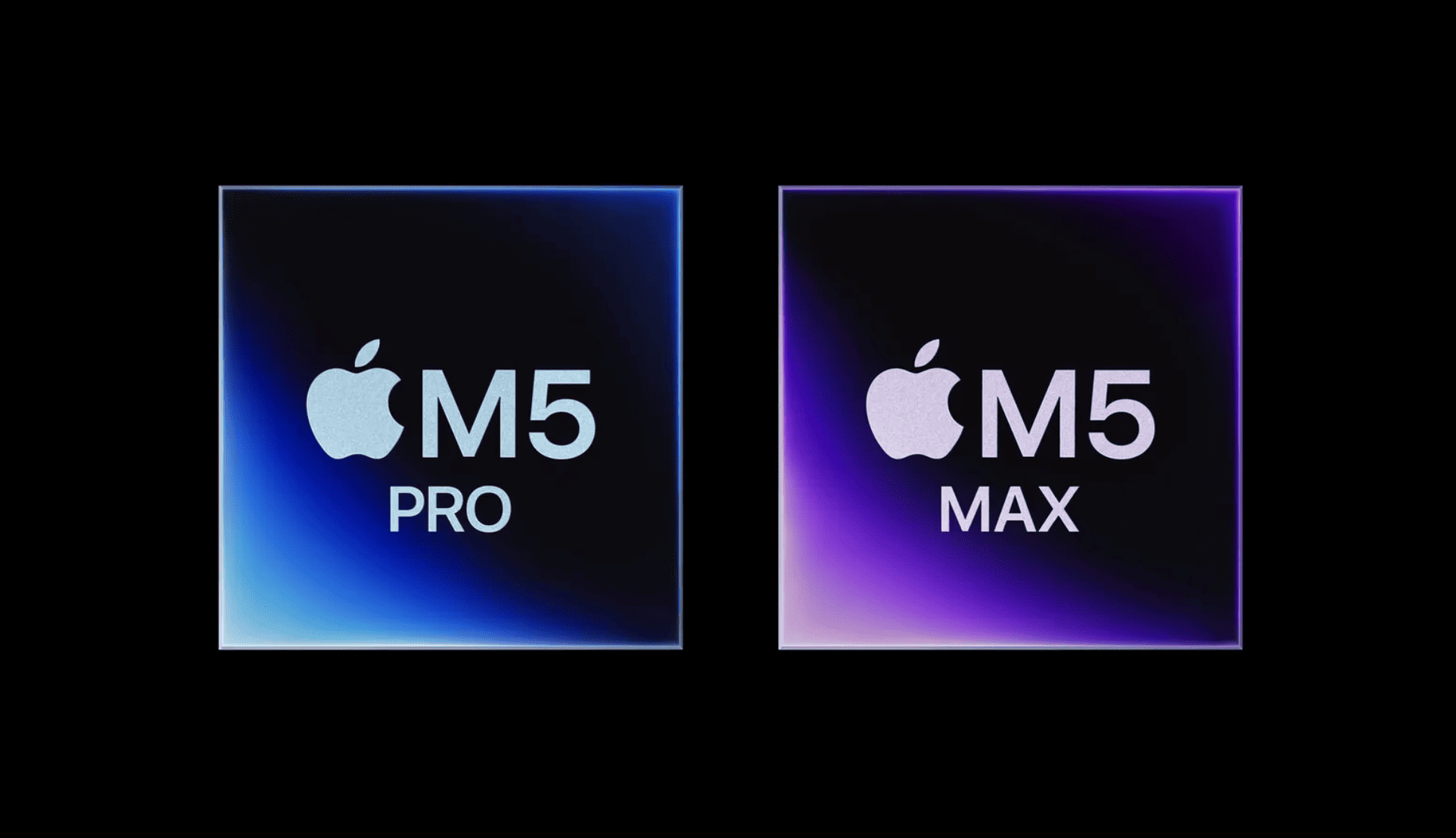
Technology giant Apple has unveiled updated MacBook Pro laptops with next-generation M5 Pro and M5 Max processors. Along with them, the company also showed off an updated MacBook Air with the M5 chip.

However, this is not a completely new generation of computers. The manufacturer has chosen an evolutionary path – updating existing models, focusing on the new chip platform and increasing performance.
More memory and twice as fast SSDs
The updated MacBook Pro models have increased base storage. The 14-inch version now comes standard with a 1TB SSD, while the larger 16-inch model now comes with at least 2TB.
Additionally, the manufacturer claims that the SSDs are about twice as fast as the previous generation, which should significantly speed up processing large files, launching applications, and working with professional applications.
The base 14-inch version with the M5 Pro chip will start at $2,200, while the 16-inch model starts at around $2,700. Both models come with 24GB of RAM as standard.
M5 Max – for those who need maximum power
For buyers who need even more power, there are versions with the M5 Max chip, which increases prices significantly, to around $3,600 for the 14-inch model and around $3,900 for the 16-inch version.
These chips are designed for professionals working with complex tasks – video editing, 3D graphics, programming, or training artificial intelligence models.
New communication chip and long battery life
Like the new MacBook Air, the updated MacBook Pro computers feature the new Apple N1 connectivity chip. It supports modern standards such as Wi-Fi 7 and Bluetooth 6.0.
According to the manufacturer, the laptops can run for up to 24 hours on a single charge, which remains one of the strongest advantages of Apple computers.
During the presentation, the company particularly emphasized the growth in performance for artificial intelligence tasks. The new models were often compared to previous-generation devices based on the Apple M1 processor to show how much computing power has increased over several generations.
Credits:
Image courtesy of Apple.


