










‘Doomsday Clock’ moves closer to midnight: should humanity be worried?
According to experts, there is still time, but it is necessary to act immediately.

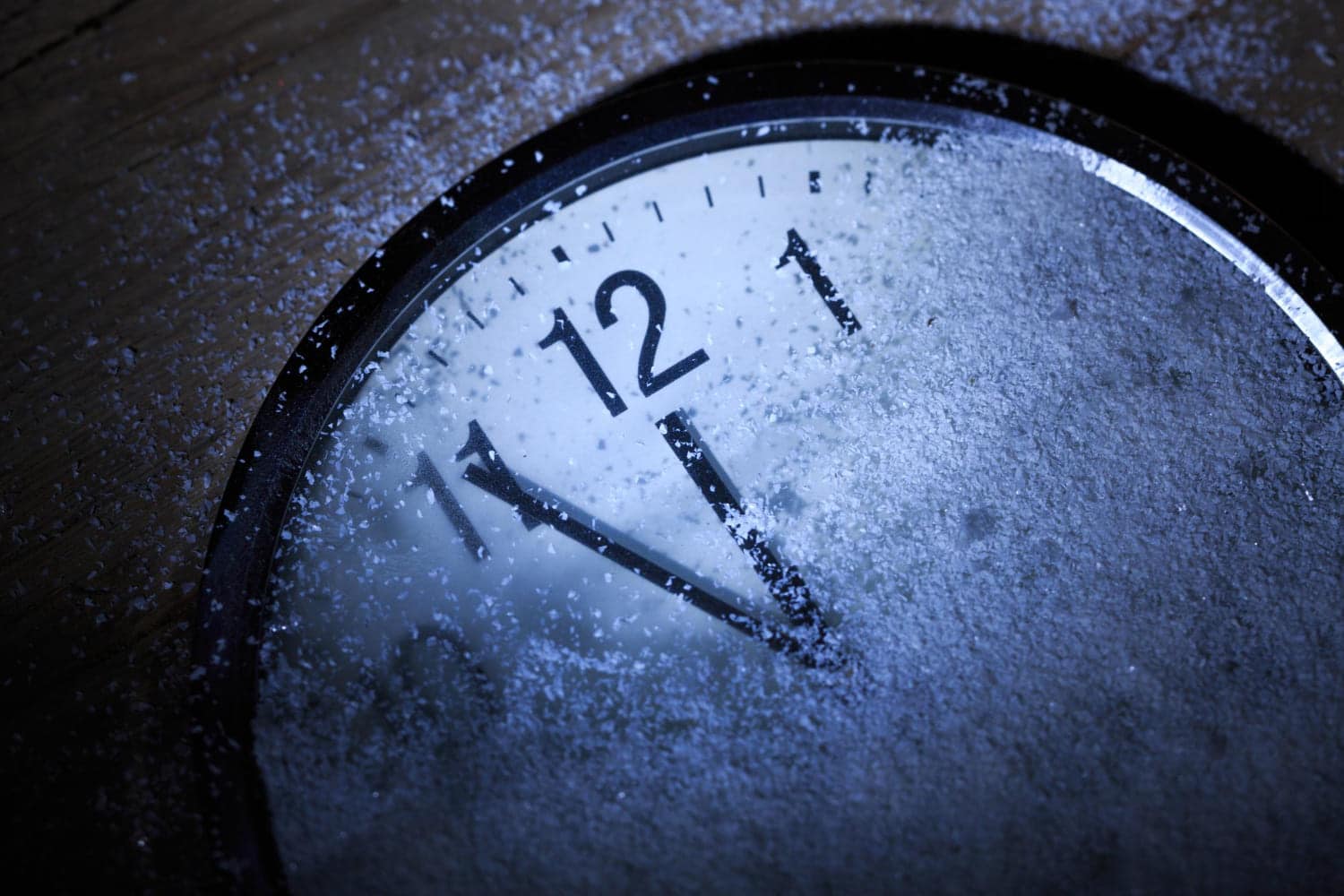
The symbolic device known as the Doomsday Clock has been manually set every year since 1947 by the ‘Bulletin of the Atomic Scientists”, a group of scientists and security experts. It aims to draw the world’s attention to the growing likelihood of existential threats to humanity. This year, experts have moved the clock even closer to the symbolic moment of “catastrophe.”

You may also like:
It’s getting closer to midnight
The “Doomsday Clock” has been set to 85 seconds to midnight, the closest it has ever been to a hypothetical catastrophe. Experts say the risk of existential threats is at its highest since the clock was created.
The message from the Doomsday Clock could not be clearer. Catastrophic threats are growing, cooperation is weakening, and time is running out. Change is both necessary and possible, but the global community must demand swift action from its leaders, says Alexandra Bell, president and CEO of the Bulletin of the Atomic Scientists.
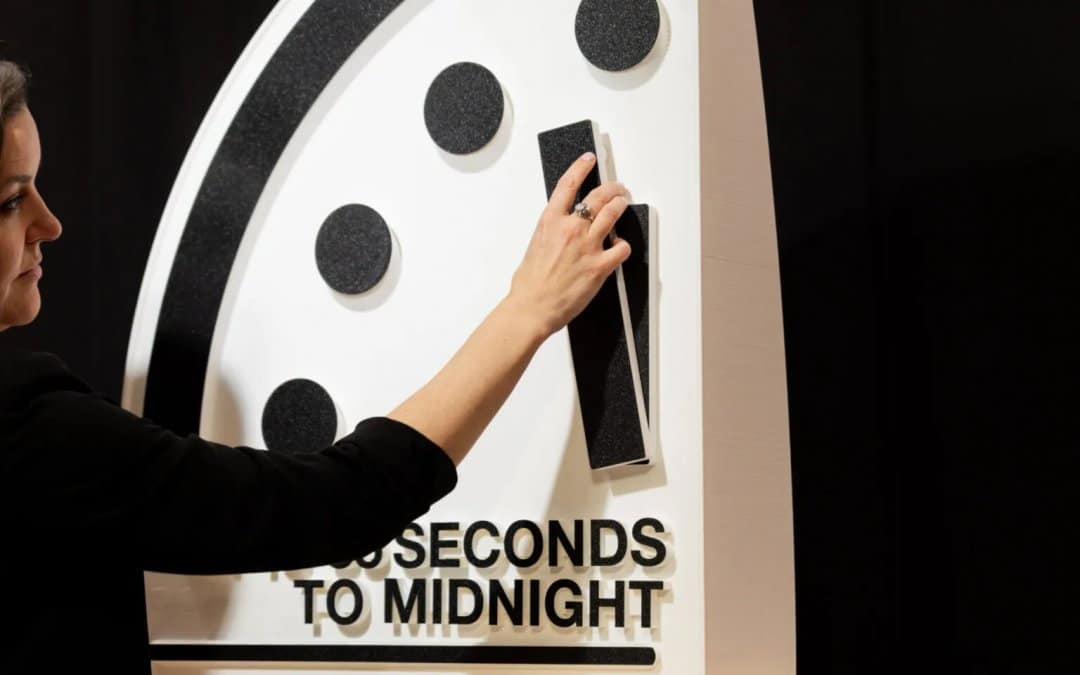
The Bulletin of the Atomic Scientists says that several key factors are driving the clock’s approach to midnight this year.
The threat of nuclear weapons
The situation with nuclear weapons in the world has not improved at all in recent years. States use them not only as a deterrent, but also as a tool of political pressure and coercion.
The expert group urges states to invest in robust crisis plans, risk reduction strategies, and to consider binding international agreements as soon as possible.
The rise of artificial intelligence
Traditionally, the threat of today’s technologies is considered. The growing competition in the artificial intelligence race is increasingly overshadowing the cooperation that is necessary to manage potential risks.
Political institutions should more actively consider the importance of guidelines for the use of artificial intelligence and implement this initiative in practice.
Climate crisis
Climate change is shaking the world with increasing intensity. Rapid reduction of greenhouse gas emissions, while transitioning from fossil fuels to already cost-effective renewable energy technologies, is essential.
Experts are calling for a return to science-based climate policy and the collection, storage, and sharing of climate data.
Biological threats
Experts who have turned the Doomsday Clock say that preparedness to respond to biological incidents is weakening. At the same time, risks associated with the discussed development of biological weapons, insufficiently controlled synthetic biology and the active integration of artificial intelligence in this field are growing.
Is there still time to solve the problems?
The Bulletin of the Atomic Scientists identifies several specific cases whose control would help reduce existential threats and move humanity away from a catastrophic scenario.
The US and Russia still have the opportunity to resume dialogue on limiting nuclear arsenals, and the international community to initiate multilateral agreements on the use of artificial intelligence to create biological threats.
The US Congress should also abandon its hostile stance on the development of renewable energy. Also, the US, Russia, and China should begin developing unified guidelines on the use of artificial intelligence in the military.
The Doomsday Clock is a symbolic measure whose time is set annually by the Science and Security Council of the Bulletin of the Atomic Scientists, in consultation with the organization’s Board of Trustees, which consists of eight Nobel Prize laureates.
Credits:
Image:


