










Europe prepares new euro banknotes, awaits designers suggestions
A portrait of a famous Polish woman may appear on the €20 note.

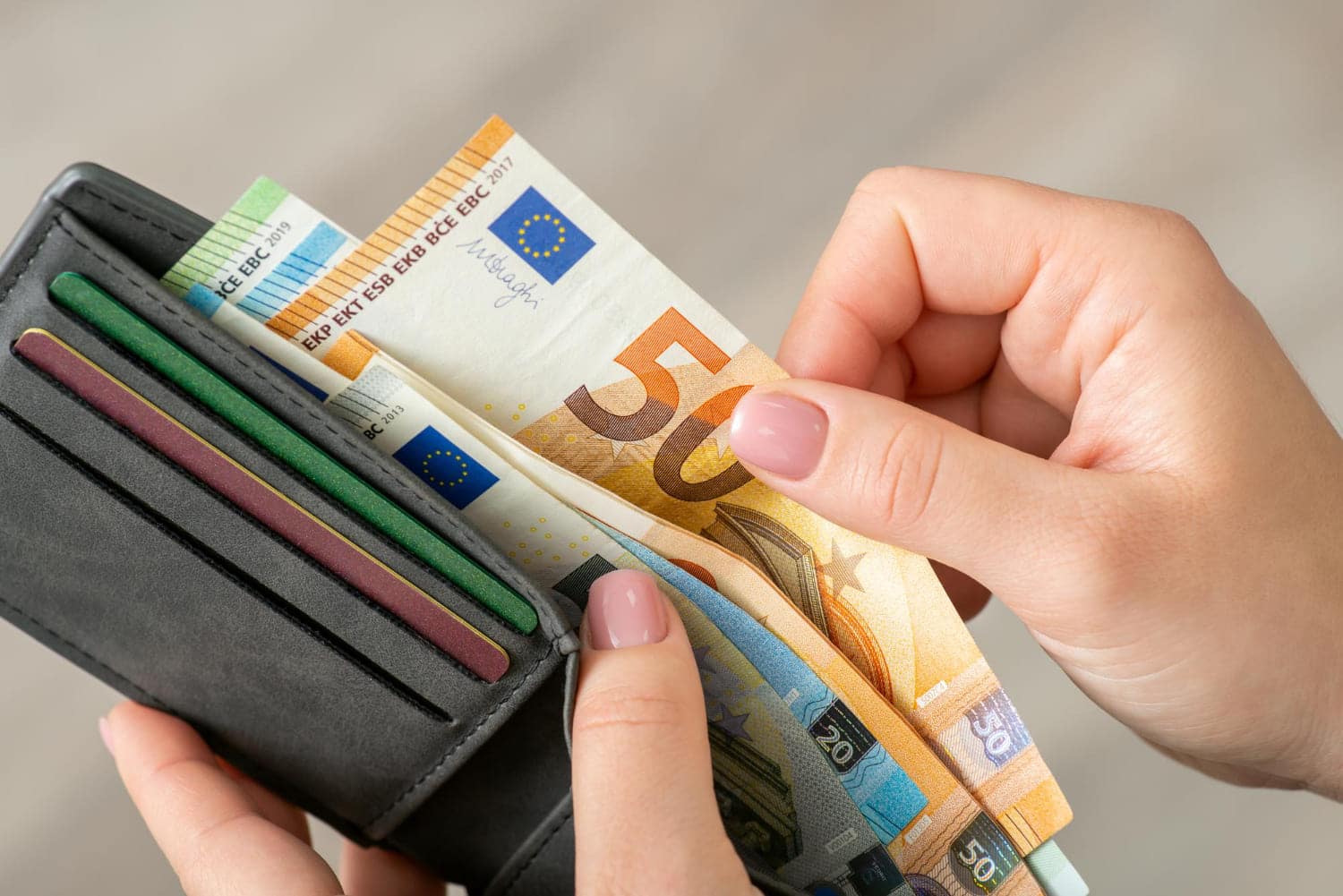
In 2002, the euro became part of everyday life in Europe, but the appearance of the banknotes has remained unchanged since then. They feature architectural motifs – gates, bridges, and windows that reflect symbolic periods in European history. For example, the current €20 banknote features a Gothic-style window. But that is about to change.
After more than two decades, the European Central Bank (ECB) has decided to update its design. Back in 2021, ECB President Christine Lagarde announced plans to create a new series that would better reflect the modern European identity. The process has taken longer than planned, and only now are two possible creative paths becoming clear.
Two themes: nature or culture
The ECB is considering which idea would best reflect the essence of Europe. Two main themes have been proposed:
- Nature – rivers, birds, landscapes, and natural ecosystems of Europe.
- Culture – personalities who left a significant mark on European history and science.
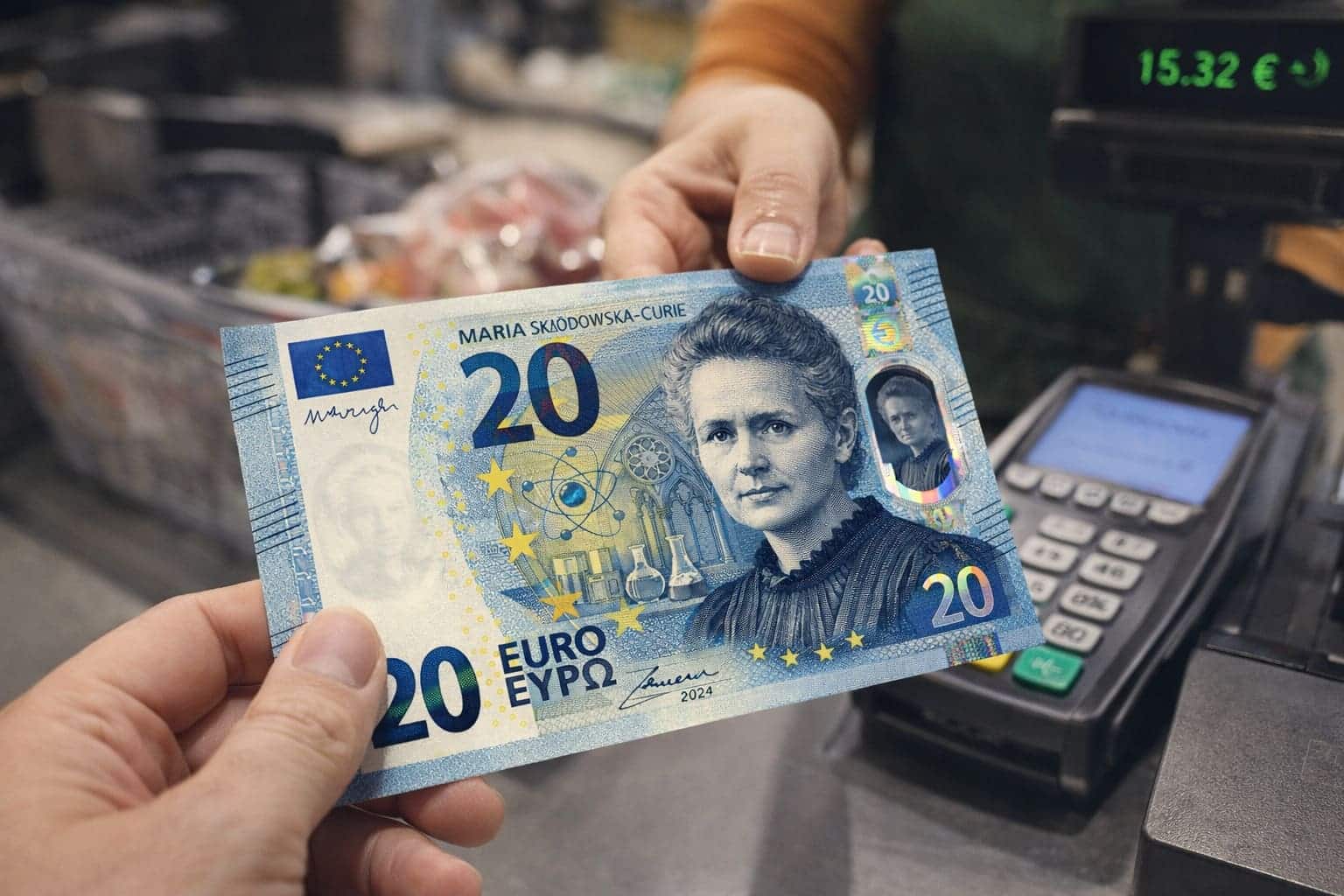
Under the latest theme, one of the most prominent figures in science has emerged among the candidates, the Polish woman, Maria Skłodowska-Curie, winner of two Nobel Prizes. Her portrait is being considered as a possible accent on the €20 note. For now, it is just an idea, but it has aroused interest across Europe.
New banknote competition for designers and artists
The competition for the new banknotes is open to designers from across the European Union. The selected artists have until March 2026 to submit their designs, and a public consultation is planned. This means that the design of the banknotes will be discussed not only by experts, but also by the public.
The final decision will be taken by the ECB’s Governing Council, which consists of the Executive Board and the governors of the euro area central banks. A decision is expected by the end of 2026.
When will the new euros reach wallets?
Even once the design is chosen, there will be no rush. The ECB highlights that production and introduction are a complex and lengthy process. It will require ensuring security measures, harmonizing technical standards, and preparing banks and cash systems. Therefore, we will have to wait several years for new banknotes to enter daily circulation.
Debate over name spelling
The proposal to depict Skłodowska-Curie sparked a debate over the form of her surname. ECB documents used the wording “Marie Curie (maiden name Skłodowska)”, which drew criticism from Poland. The country’s Ministry of Science and Higher Education contacted the ECB, urging it to use the full Polish form of her surname – Maria Skłodowska-Curie.
The ECB responded that the decision would only be made after extensive consultations and discussions, another detail that shows how much symbolism and sensitivity lie in the design of the banknotes.
What is clear now
One thing is certain: Europe will know by the end of 2026 whether Maria Skłodowska-Curie will become the symbol of the new euro. The new series of banknotes promises to become not only a means of payment, but also a narrative of history, science, and values.
Credits:
Image:


