




Graphic Design Trends (2026): Where AI sparks creativity
Graphic design trends for 2026 are preparing for transformations that go beyond aesthetics.

This year’s Graphic Design Trends are crossing all boundaries, with the immense pressure from artificial intelligence changing everything fundamentally. How much this will affect future designs and graphic designers is not clear, but it is interesting, and the unexplored world before us does everything with inertia and enthusiasm. So, without waiting for anything, let’s go to the Graphic design trends of 2026.
You may also like:
In 2026, we will see a lot of bold typography and styles, unexpected designs and patterns, soothing or, conversely, shocking color choices, surprising retro-futuristic moods, and even surreal design elements – all of which will be in the spotlight.
1. AI-assisted – Human minded
In 2026, AI tools will be everywhere, they already rule the world of graphics, but control from the human side will remain. Controlling AI tools will be one of the essentials. These are complex things, but by mastering them, you can achieve very good results in graphic design. It’s something like medieval warriors fighting with modern weapons. It seems something unusual, so this is the control of it so that it doesn’t seem strange.
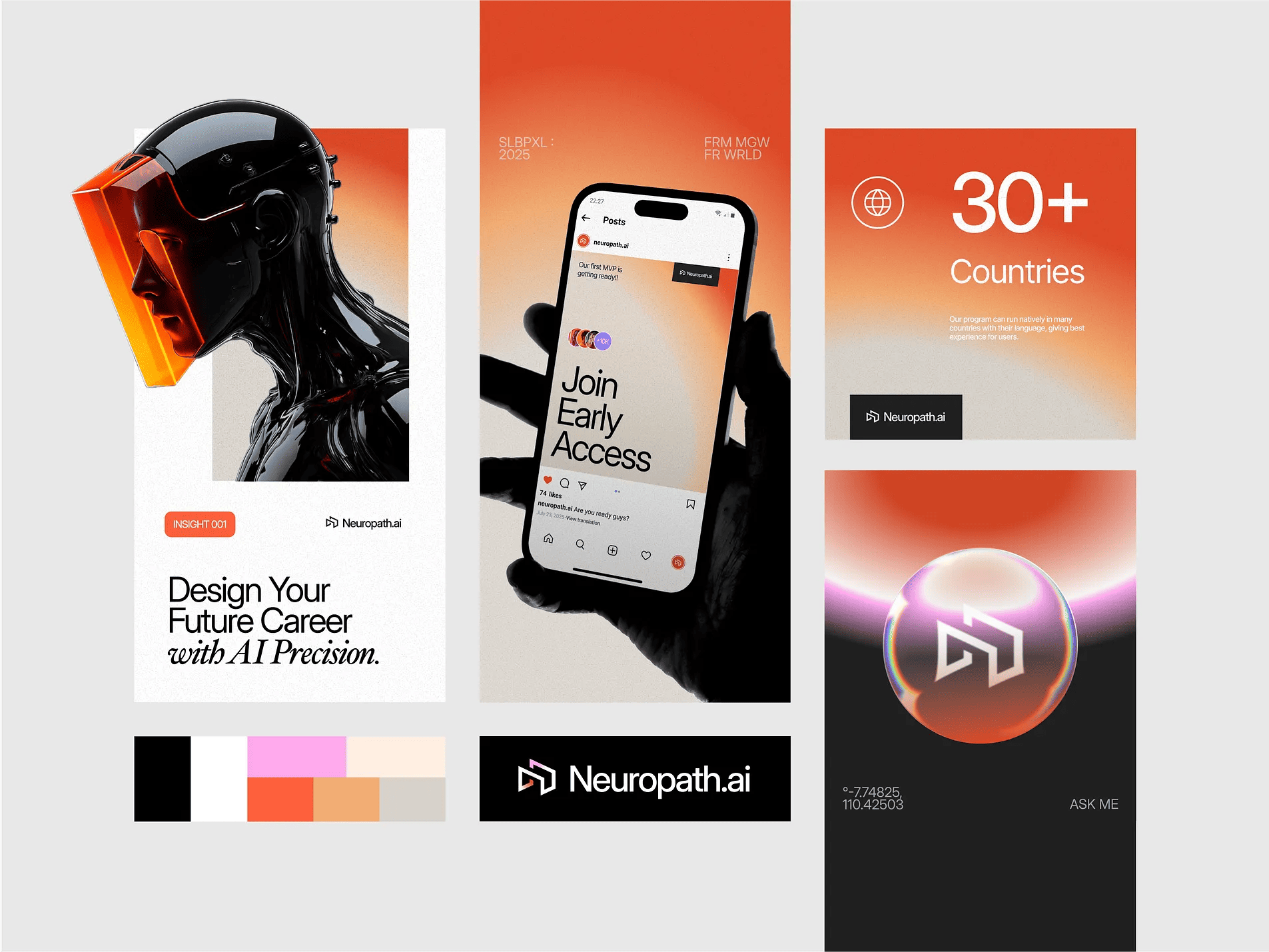
2. Bold 3D elements
2026 will be a year of bold, sculptural 3D elements that will instantly grab attention. Designers will use oversized spheres, distorted ribbons and liquid metal shapes, and realistic objects to break up layouts.
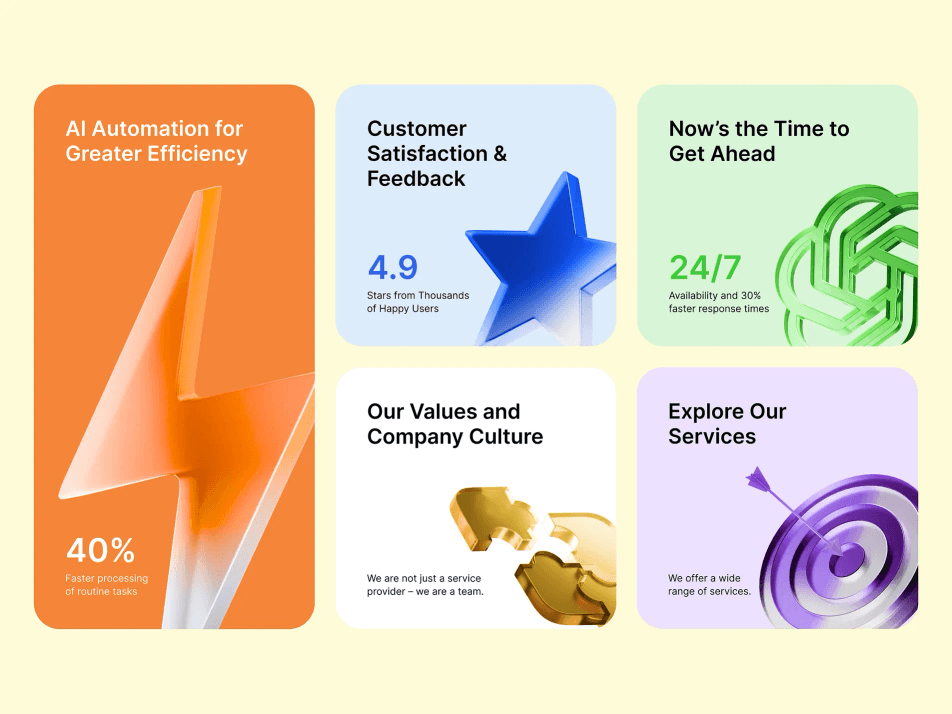
Even more – these abstract 3D shapes can come to life and react as you explore. Large spheres, ribbons, and liquid metal shapes can move and interact as users move their cursor, scroll, or tilt their device.
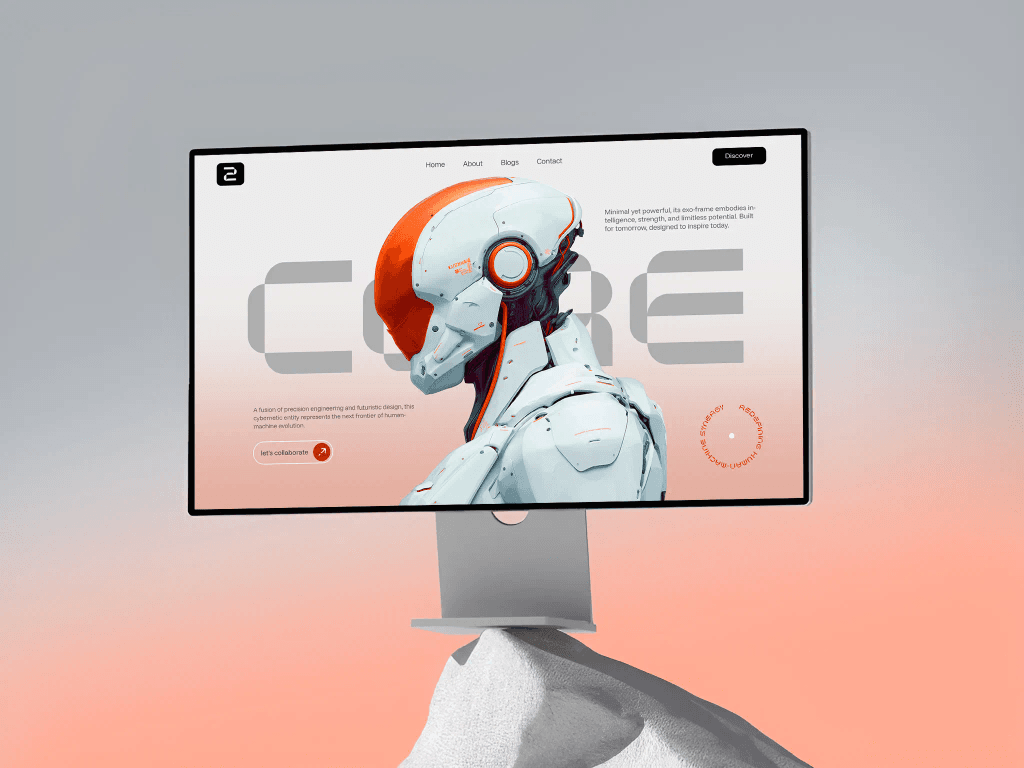
3. The futuristic interfaces
The design of 2026 will borrow heavily from sci-fi interfaces. Imagine glowing grids, neon images, futuristic infographics, and sleek UI elements that look like they belong on a spaceship dashboard. These images will be more than just decorations – they will create an impression of intelligence and precision.
4. Soft-glow gradients
Gradients are no longer the neon trend of the early 2020s. They have recently matured into smooth, elegant backgrounds that set the mood without overshadowing their sophisticated style. In 2026, designers will favor soft pastel combinations, smoky transitions and deep color fades that will look cinematic. These gradients will act as ambient lighting for the digital canvas – cozy, atmospheric and modern.
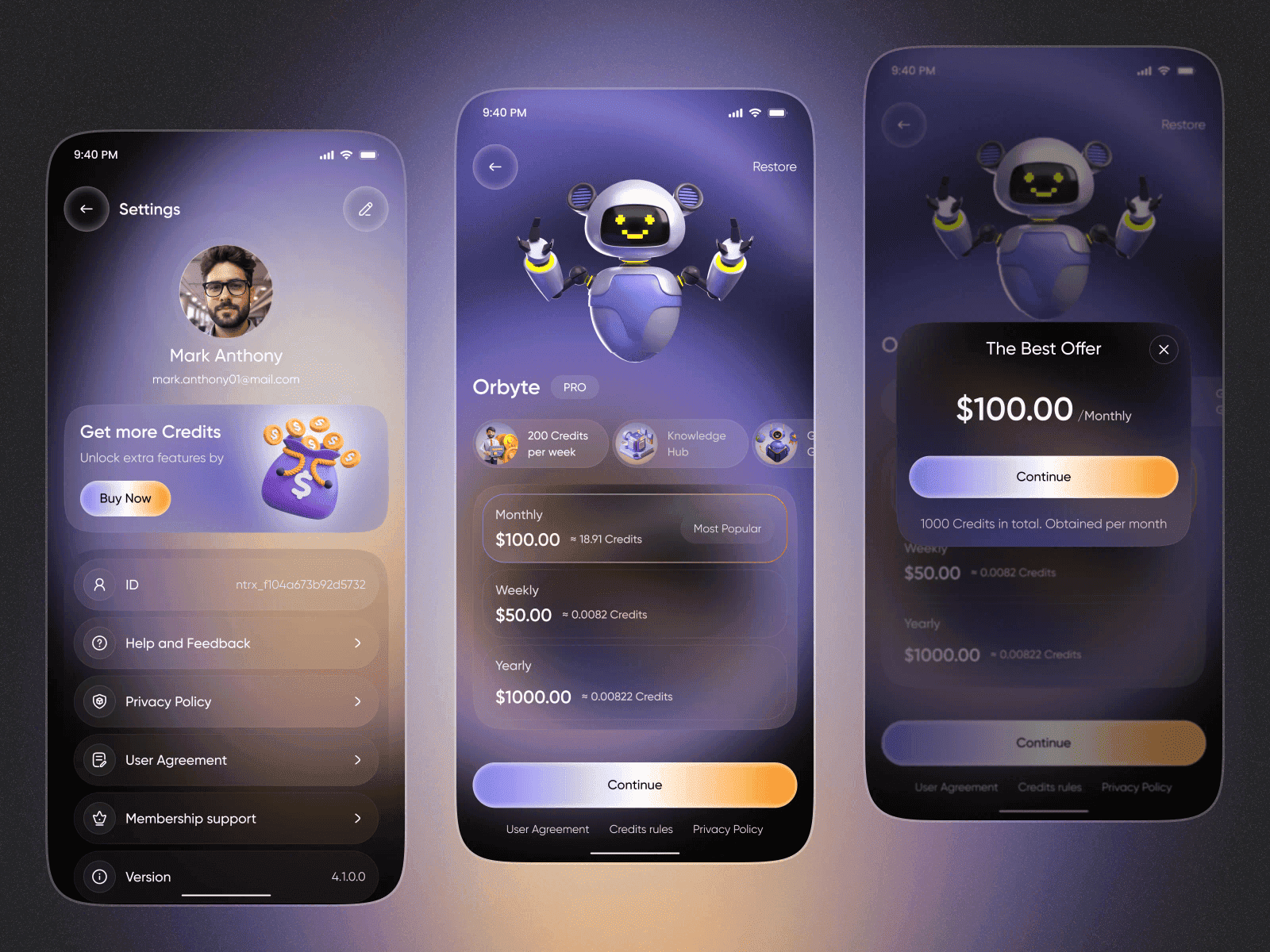
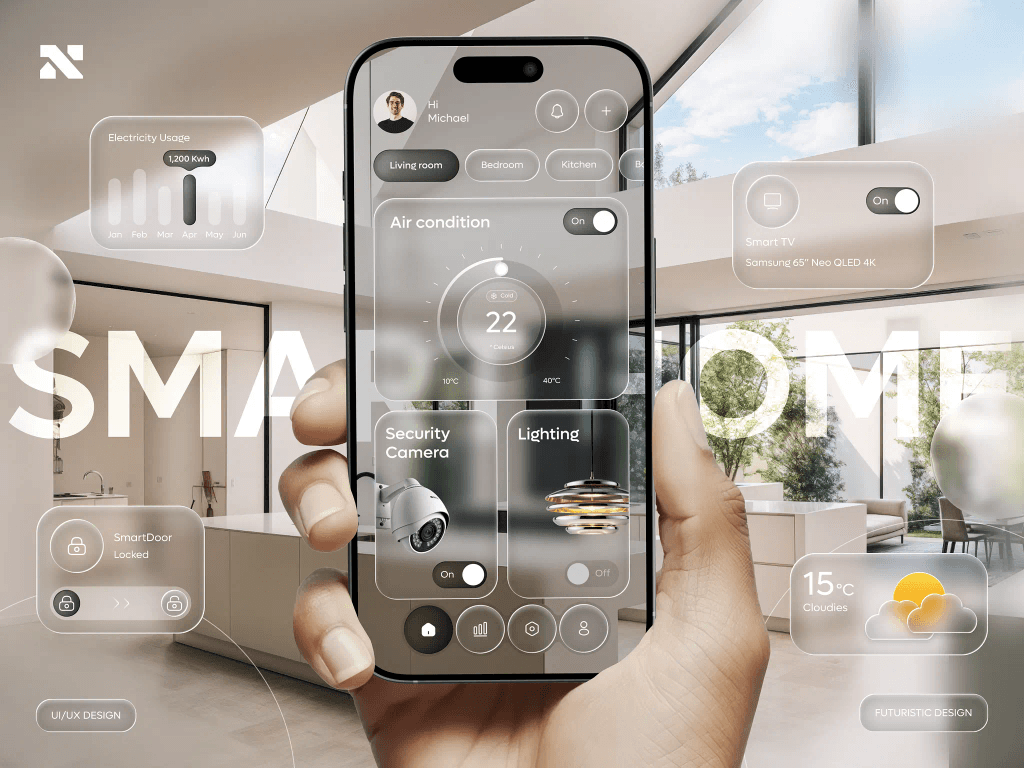
5. Liquid glass metamorphosis
Liquid glass is a new language for designers. Apple was the first to use it in its future interface designs, which feature extremely soft and liquid tools that can be easily moved and create a sense of play. This trend for 2026 will be exceptional. So get ready to use it in your designs.
6. Retro style is making a comeback
The use of retro styles is still there – it is constantly evolving. In 2026, design work will draw inspiration from nostalgia, but will remain elegant and modern. Designers will mix elements from the 80s, 90s and the early internet era into new, modern visual compositions.
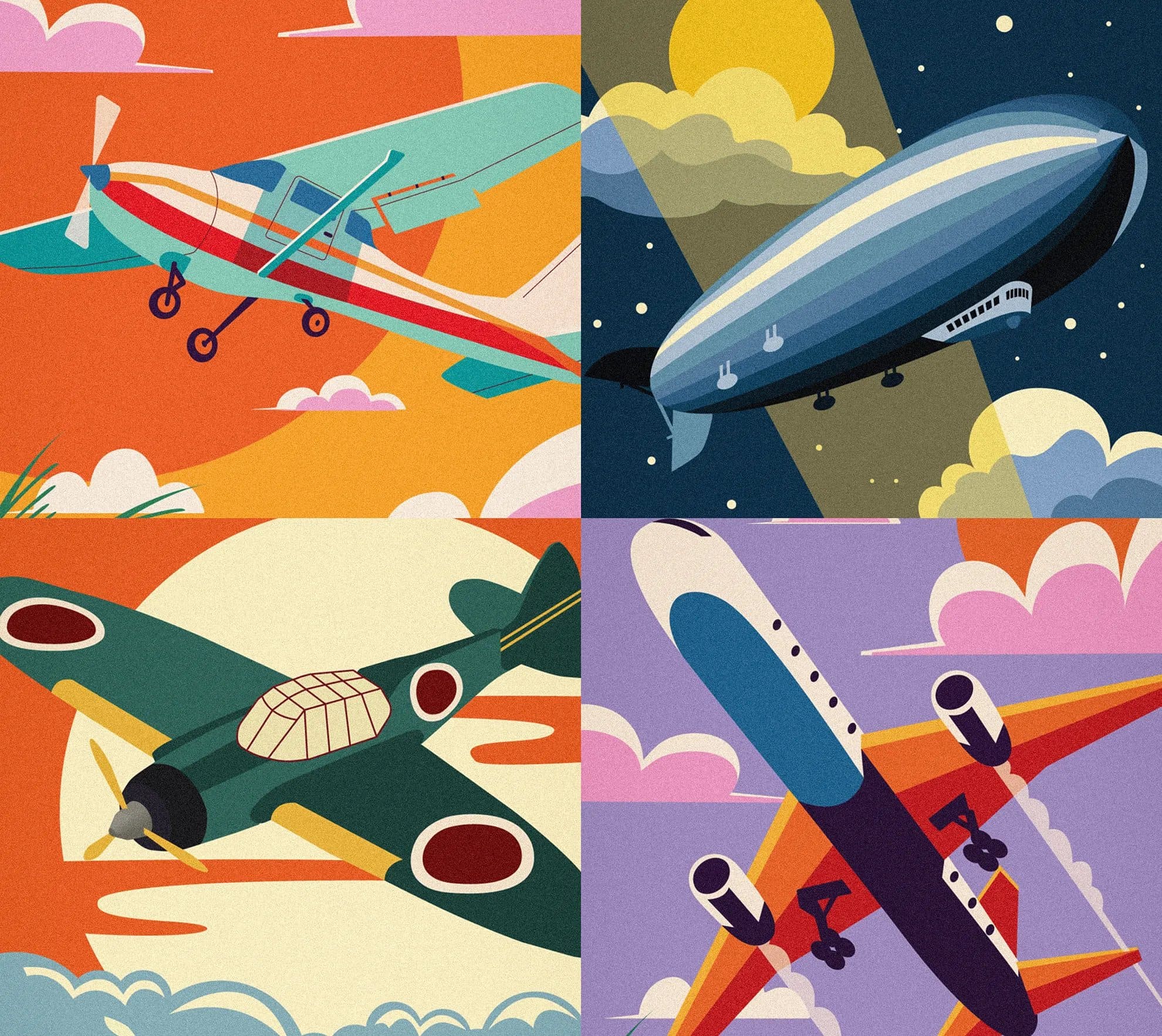
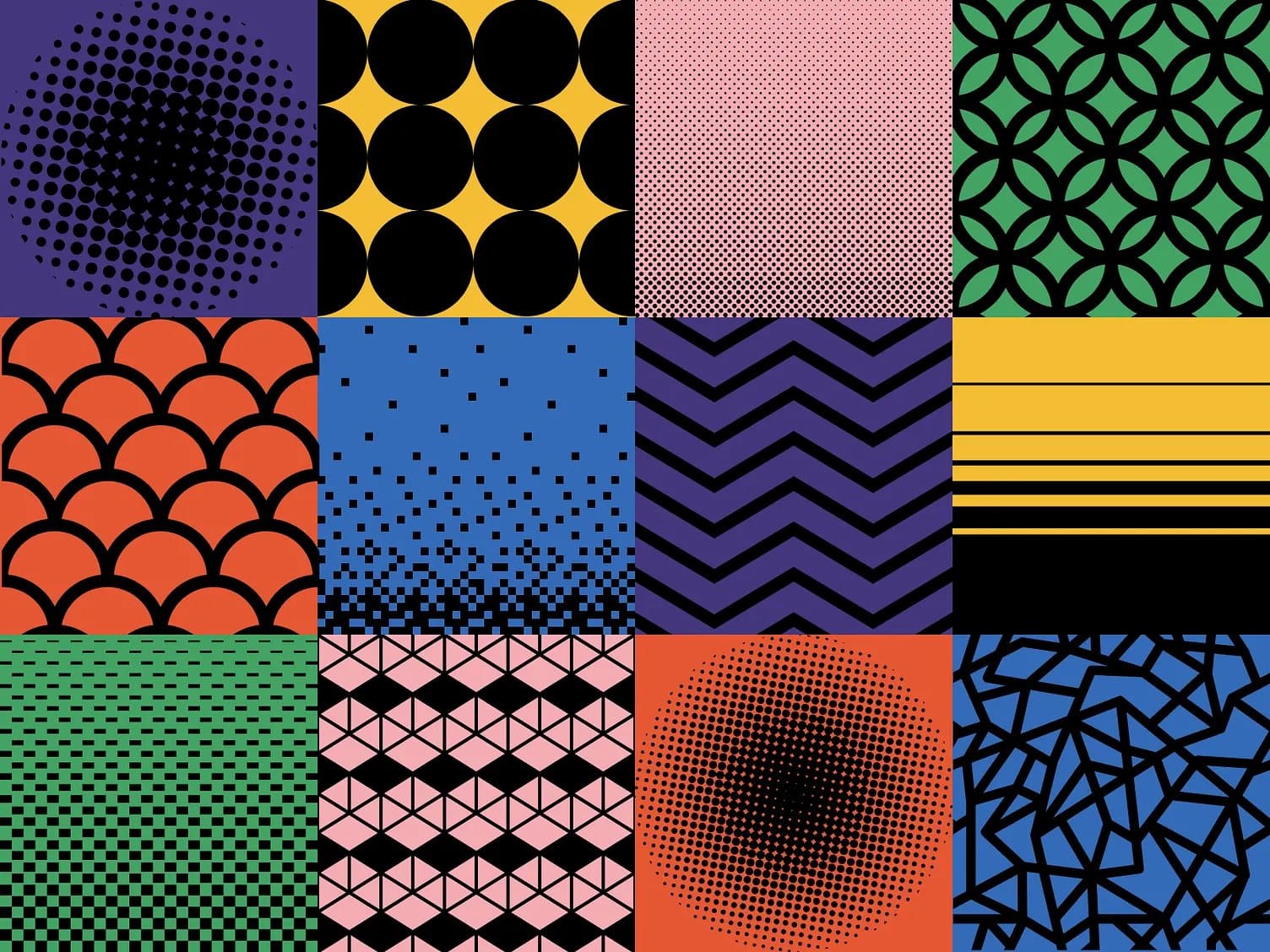
Expect to see lots of retro geometric elements, chunky and large fonts, thick frames, retro-inspired textures, and low-key color palettes – but all of this is combined with modern layouts and functionality.
7. Noise and textures
In 2026, noise and texture return, bringing warmth and tactility to both physical and digital experiences. Designers will add grain, noise, and texture to make work look more realistic and less computer-generated. Of course such of the designs takes more space and flat, but adds more unique taste to the images.
8. Monochrome – using one color
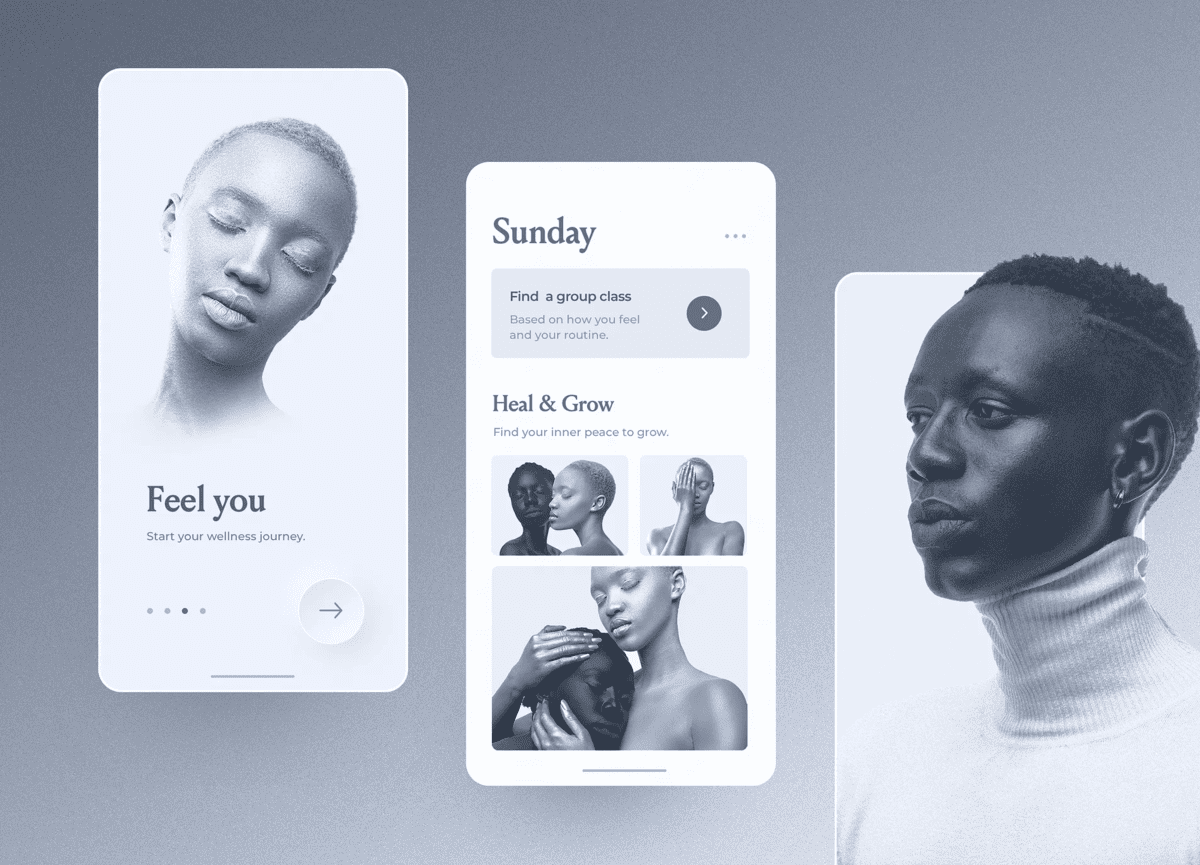
Many designers are again limiting their palettes. Black, white, and gray dominate, with one bright color used sparingly. This approach is rooted in signal graphics, but the chaos is removed. Disturbances are controlled. A single color often signifies interaction, emphasis, or tension. It is not decorative. When everything is noisy, a quiet contrast is noticeable. This trend is seen in posters, identity systems, and web design, where clarity is more important than expression.
9. Minimalist typography
Minimalist typography is making waves as a counterpoint to the chaos of AI mashups and experimental imagery. Imagine monochromatic palettes, clean sans serifs, and font-based layouts without any unnecessary extras as some of the graphic design trends for 2026. It thrives on clarity and confidence, letting the words themselves carry the design. It looks straightforward, modern, and powerful, especially for brands that want to project integrity and authority.
10. Depth flat design
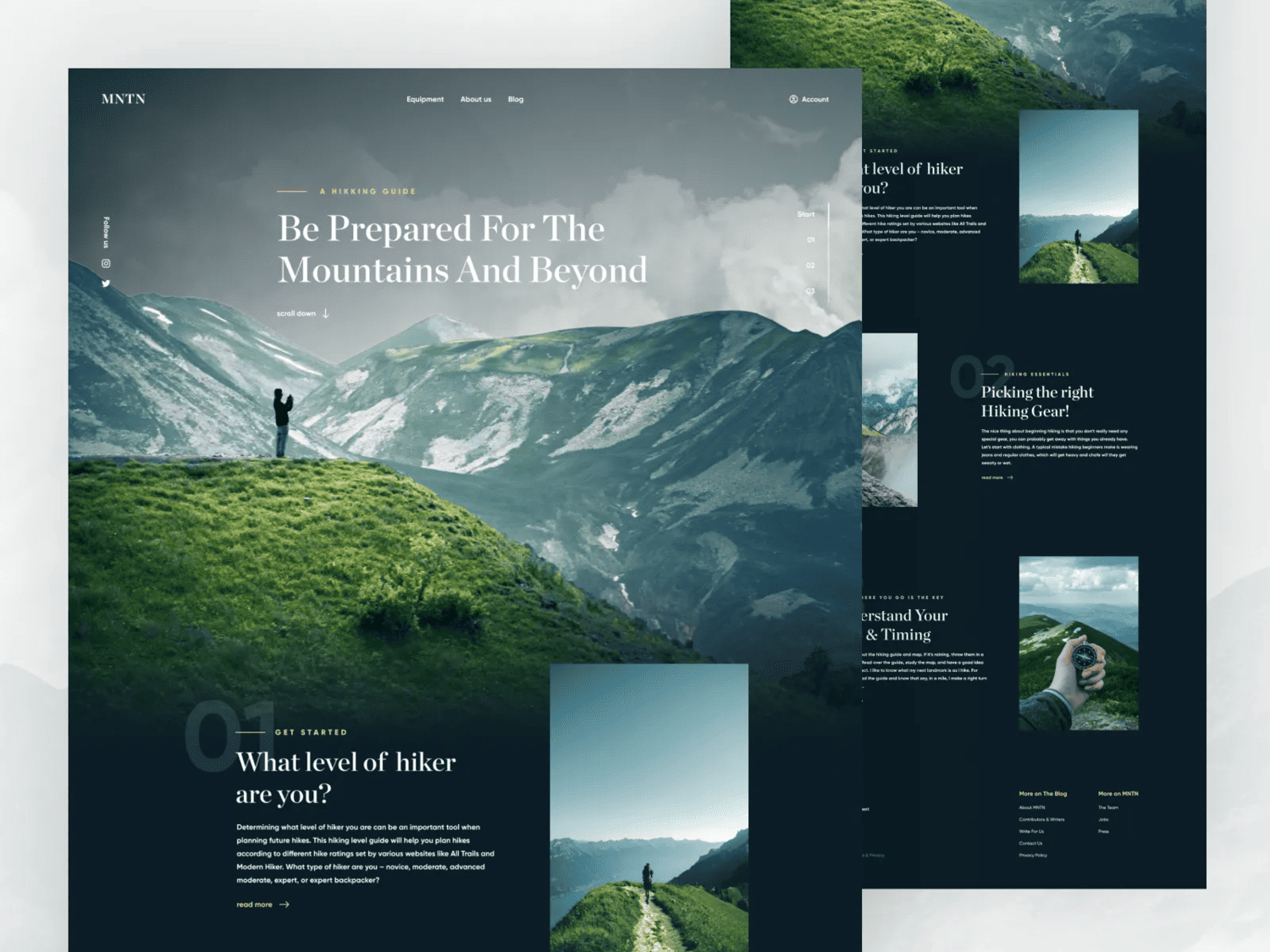
Flat design never went away, but in 2026 it takes on subtle spatial tricks. Shadows, layers, and overlaps create depth without realism. This contrasts with the grainy blur trend that obliterates clarity. Flat design with depth keeps edges clean and shapes legible. This style is common in interface work, report cards, and branding systems that require flexibility. The illusion of depth helps to direct attention without decoration. Designers try not to overdo it. Depth is used sparingly, often to separate content or to show hierarchy, rather than to impress.

Graphic Design Trends 2026: FAQ
Q1. What are the biggest graphic design trends in 2026?
The key graphic design trends for 2026 is:
- AI-assisted – Human minded;
- Bold 3D elements;
- The futuristic interfaces;
- Soft-glow gradients;
- Liquid glass metamorphosis;
- Retro style is making a comeback;
- Noise and textures;
- Monochrome – using one color;
- Minimalist typography;
- Depth flat design.
Q2. What is a growing interest for 2026?
There is also a growing interest in limited formats. Single-type layouts, limited color schemes, and storytelling through images alone are being explored more boldly. These methods are not yet dominant, but they indicate the direction in which design is moving next – towards restraint, focus, and deliberate limitation rather than expansion.
Q3. Will AI replace graphic designers by 2026?
No – AI will not replace human creativity. Instead, it acts as a co-creator, accelerating workflows and offering visual inspiration. The uniquely human skills of storytelling, emotion, and cultural awareness remain the foundation of impactful design.
Final Thoughts
Graphic design in 2026 is less about showcasing skills, as it becomes easier to create, and more about making choices visible. The strongest works don’t seek attention, they seek attention with creativity. They earn it with clarity, restraint, and timing. Tools will constantly change. Styles will constantly change. The ability to decide what to keep, what to remove, and when to consider key elements.


