









IKEA hides price tags to highlight the quality of materials
IKEA has been surprising with its price cuts for some time now, but as it claims, quality hasn't suffered in the slightest.

The easiest way to grab shoppers’ attention is to shout “sale.” But IKEA, a favorite of many, has taken a different tack, asking people to think about materials first, not money, during a season that usually features screaming discounts.

The furniture giant’s new ad campaign, created in partnership with Mother London, deliberately hides prices. Instead of showing low numbers, it puts quality first, encouraging customers to focus on what things are made of rather than how much they cost.
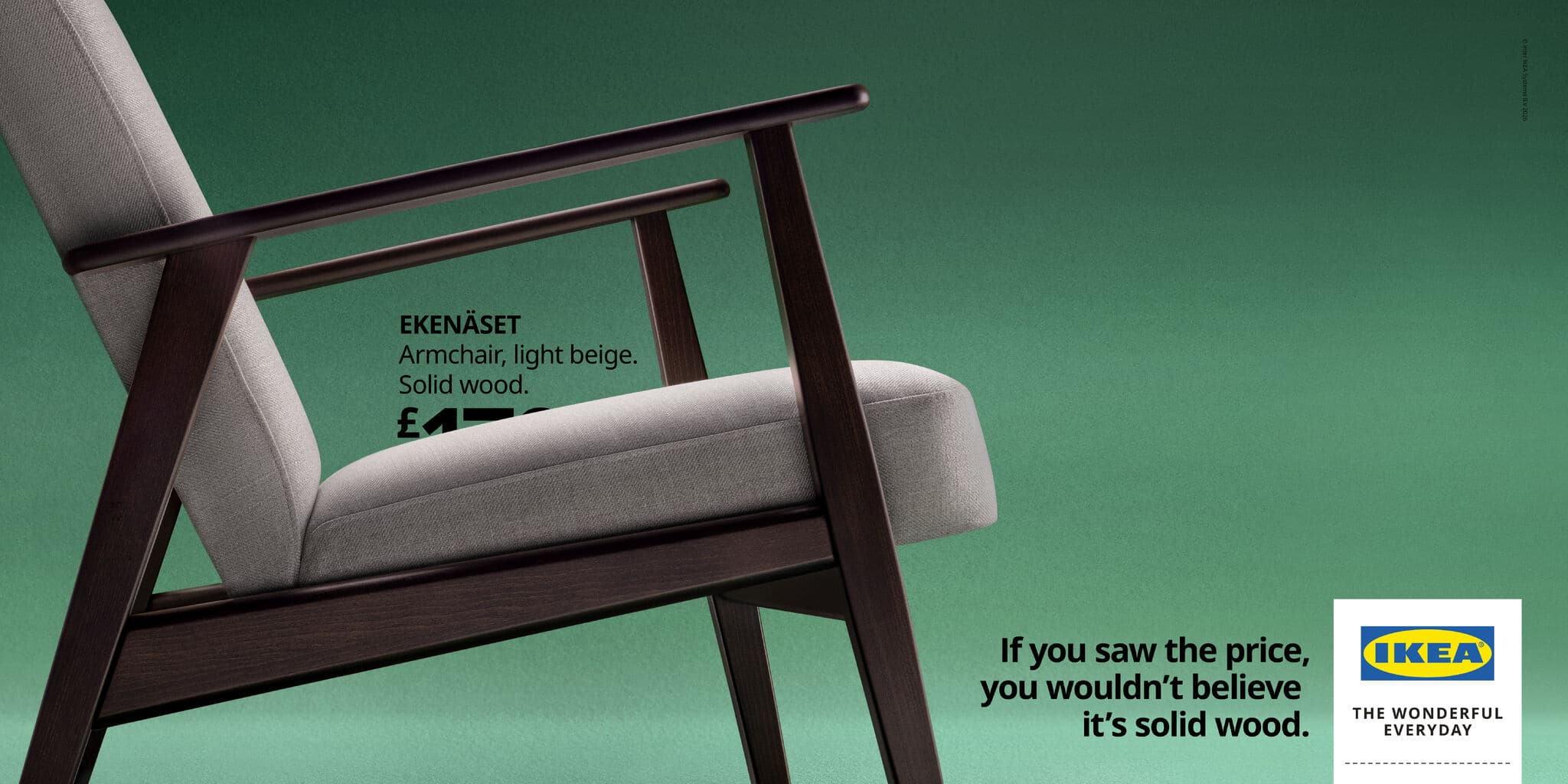
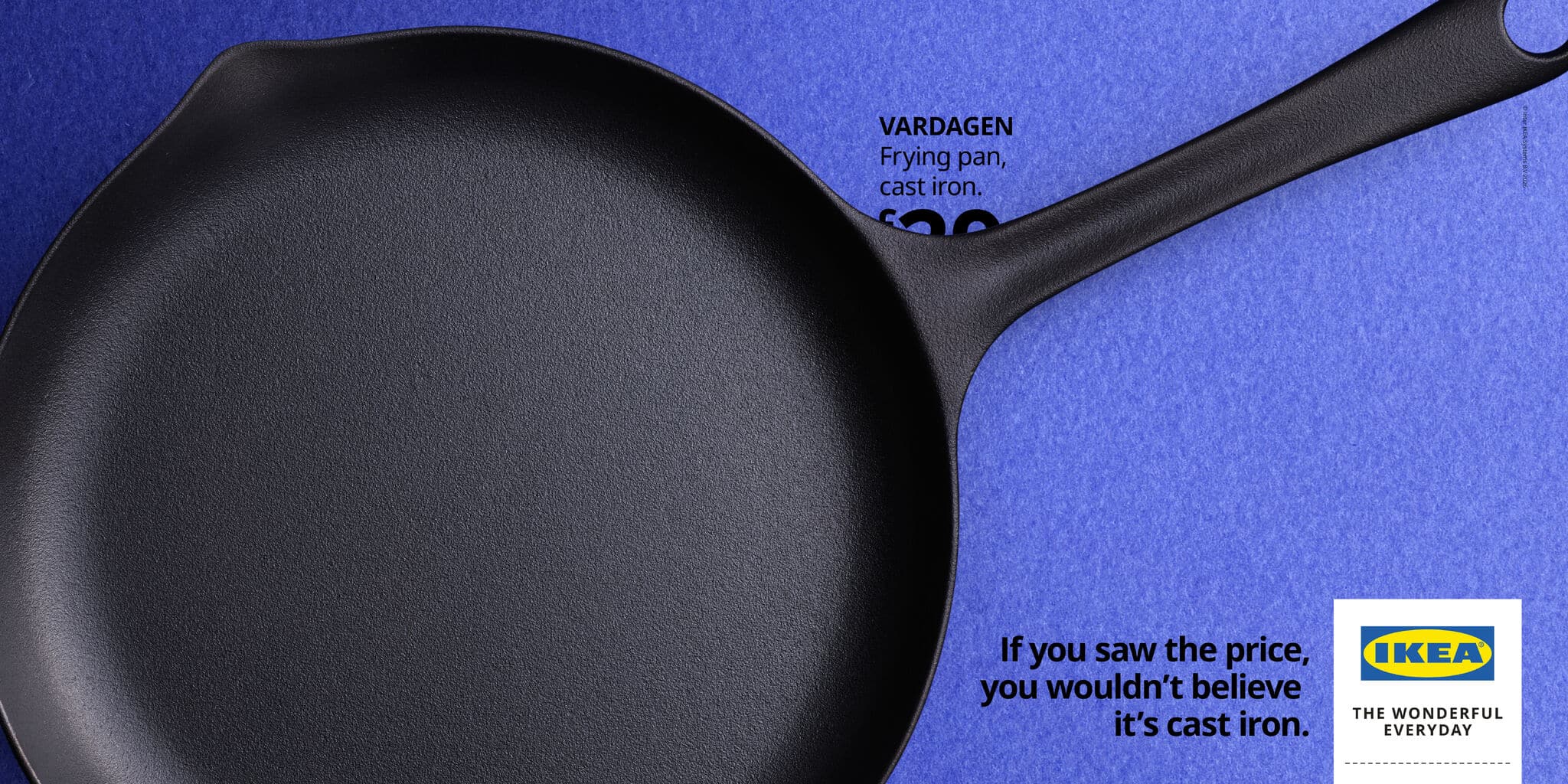
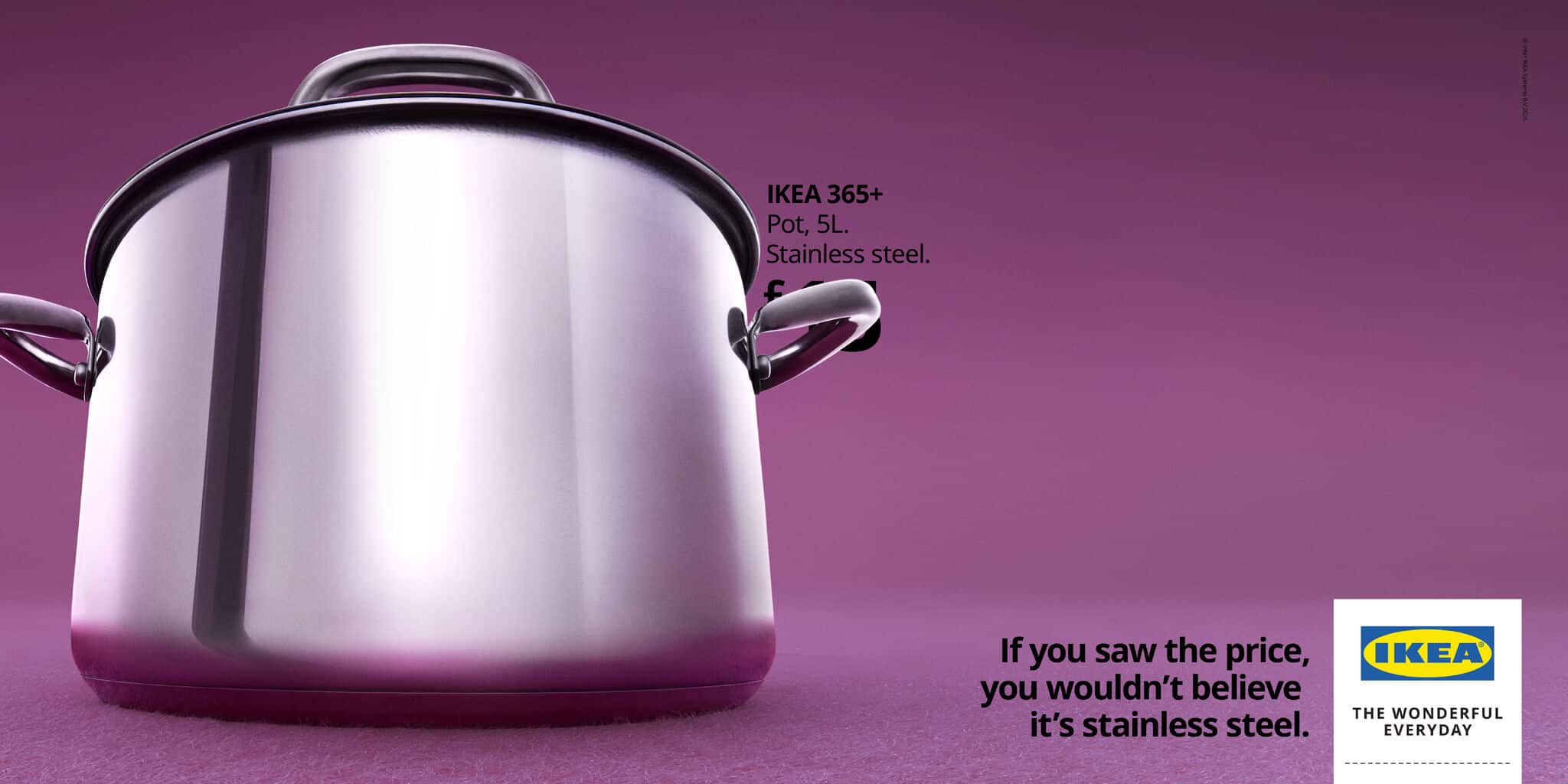
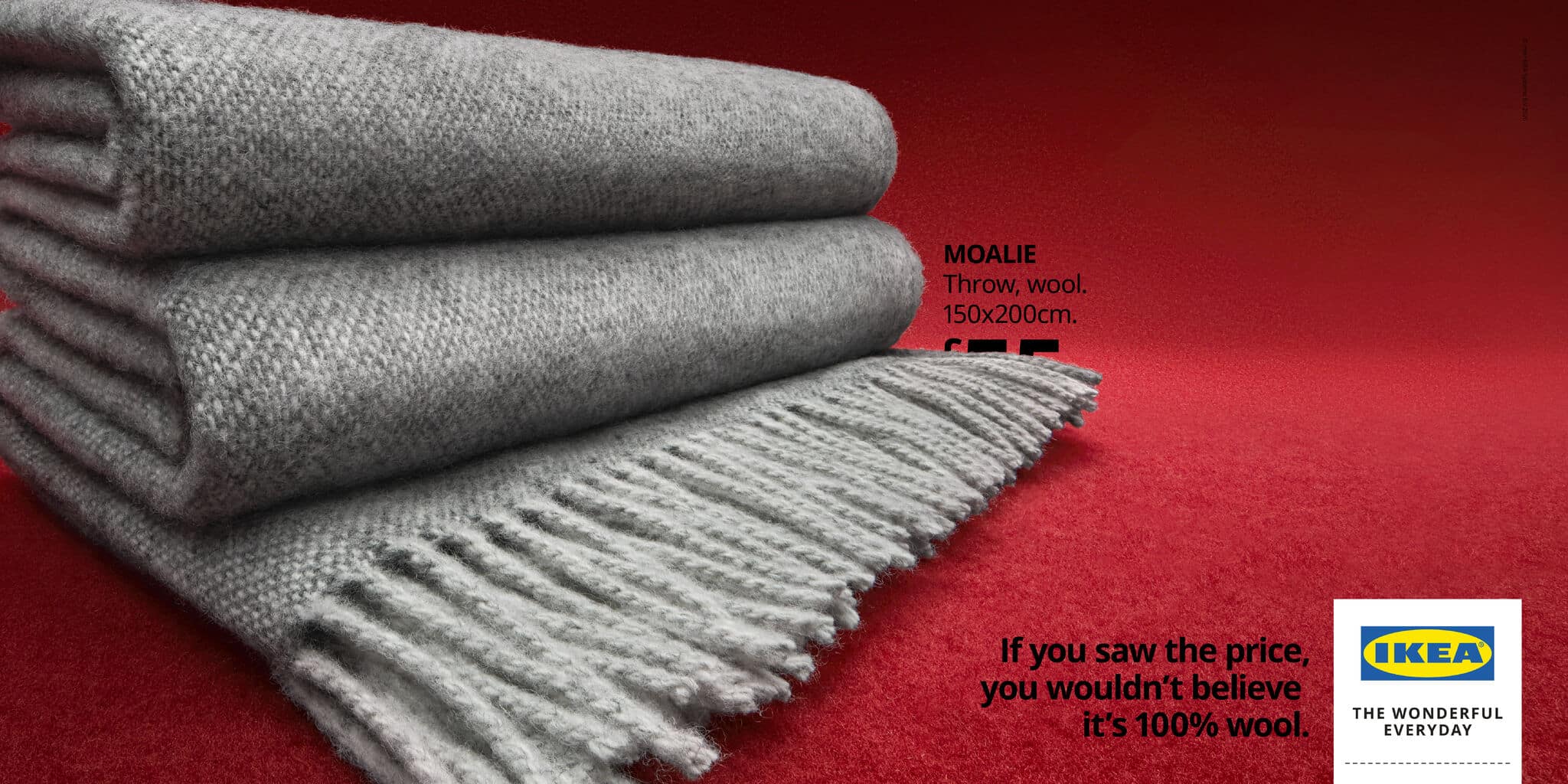
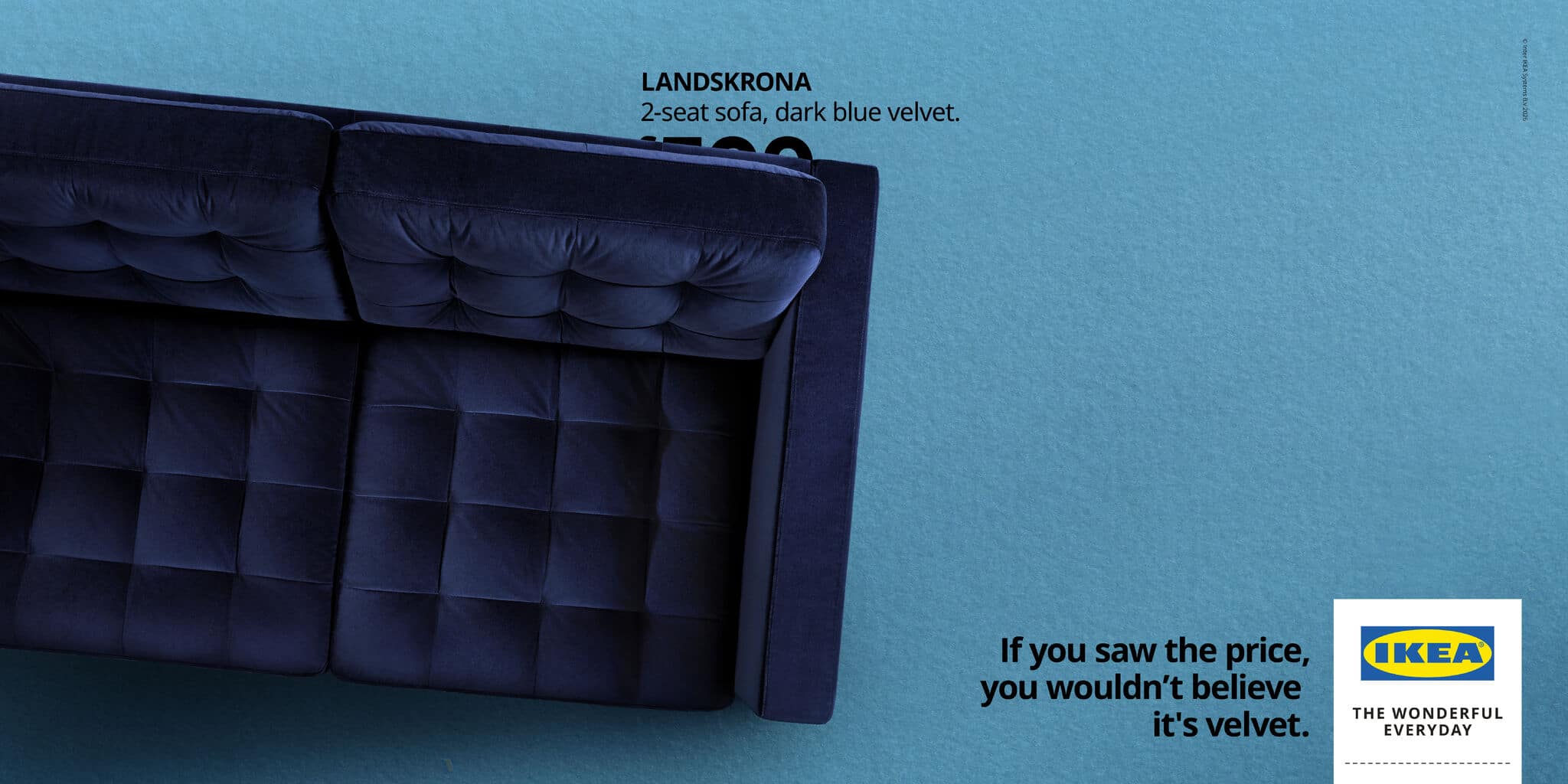
The visuals are based on close-up photos of everyday IKEA products by photographer Marloes Haarmans, shot against bright, rich backgrounds. Each image features a familiar item – a frying pan, a bedspread, an armchair, a bowl, a cupboard, a duvet set – but no price is visible. Instead, it is accompanied by the line, “If you saw the price, you wouldn’t believe it…”, followed by a description of the material, such as “it’s cast iron” or “it’s velvet.”
Those reveal points to specific product details. The VARDAGEN frying pan, priced at £29, is made of cast iron and comes with a 15-year guarantee. The MOALIE throw, £55, is 100 percent wool. The EKENÄSET armchair, £179, is built from solid wood and backed by a 10-year guarantee.
Other examples include the ENTUSIASM porcelain bowl, sold at £12 for a four-pack, the IKEA PS cabinet made from steel at £85, and the EKTANDVINGE duvet cover and pillowcase set in organic cotton at £20.
By hiding prices in their ads, IKEA isn’t pretending that affordability isn’t important, but it’s saying that low price shouldn’t be the only headline. The message is that craftsmanship, materials, and durability are just as important to a brand’s identity as value for money.
Mother London’s approach runs counter to the usual post-holiday retail tone, where urgency and markdowns dominate. The observer is invited to guess what something might cost based on its look and description, and then be surprised later when they discover the actual price. The message is not “look how cheap this is,” but “look what you get.”
Credits:
Images: