











Insatiable artificial intelligence. The calculations are simply terrifying
Huge changes are possible in the world of technology and IT. Will the AI bubble burst?

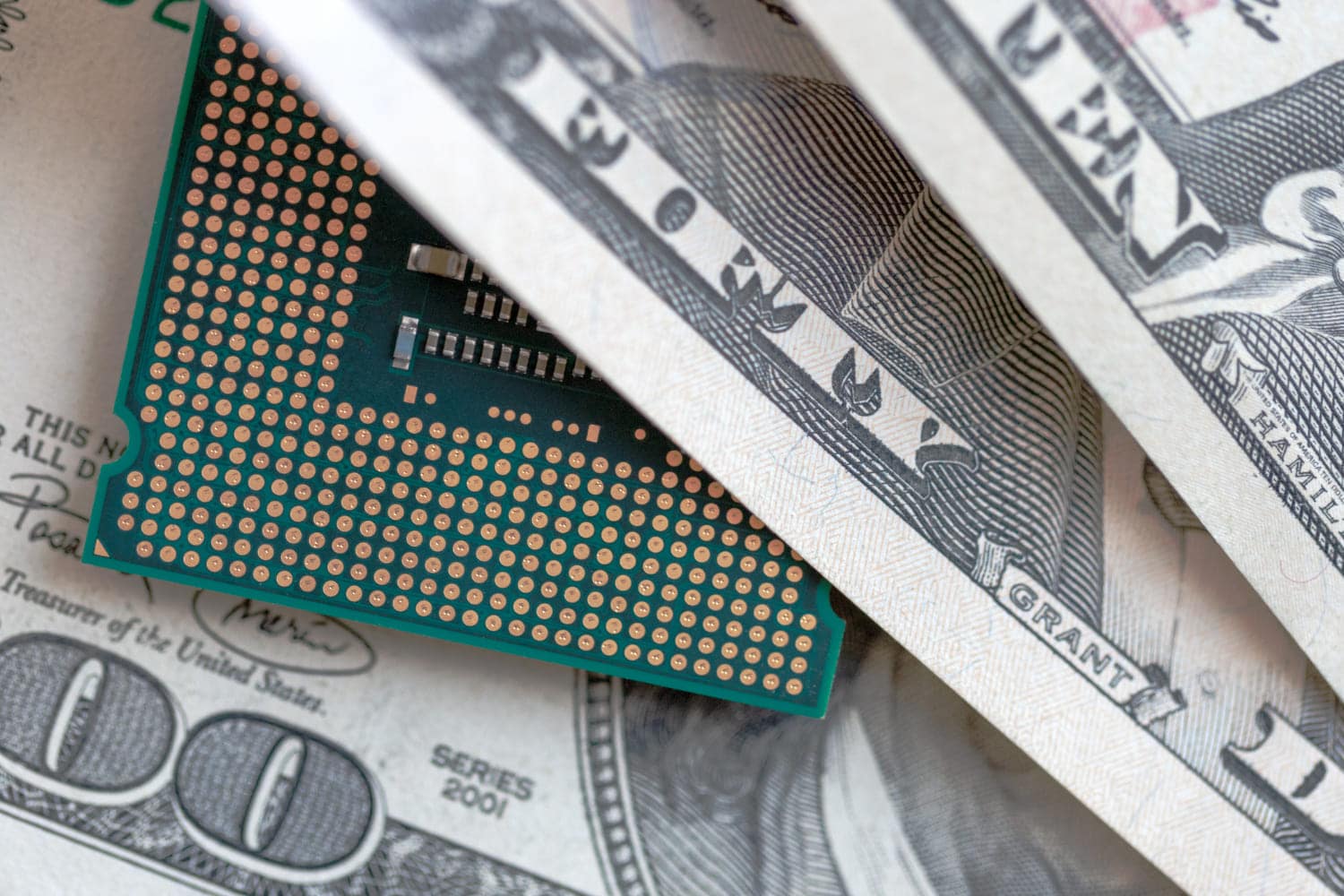
By 2026, data centers could consume as much as 70 percent of all semiconductor memory produced worldwide. If it seems like the computer component market is already balancing on the edge today, forecasts show that this is just the beginning.
RAM will become more expensive as data centers take over up to 70 percent of the total memory market.
The shortage of semiconductor memory has long ceased to be a problem only for those planning to buy a new computer or graphics card. The situation is beginning to affect almost the entire technology industry. NVIDIA is already limiting the supply of video memory to its video card subcontractors, and AMD is forming strategic partnerships in an effort to keep the prices of its graphics cards as close to the recommended retail price as possible.
It is predicted that data centers will soon use up to 70 percent of all semiconductor memory produced in the world. According to the Wall Street Journal, the situation in the IT market is becoming critical, and the shortage of components may also affect sectors that at first glance have little in common with IT – the automotive industry, household and consumer electronics.
The problem is that while car and TV manufacturers often use older-generation memory, many factories have reduced or stopped production of such chips altogether. Production capacity has been redirected to DDR5 memory, the demand for which has soared due to the development of artificial intelligence (AI) infrastructure.
The seriousness of the situation is well illustrated by the fact that late last year, Samsung’s chip manufacturing unit reportedly refused to supply memory even to its own smartphone division, Samsung Mobile. Even more problematic is that due to long-term contracts, semiconductor memory manufacturers already have capacity reserved for at least two years ahead.
Almost every modern electronic device uses RAM, from car electronics and televisions to Bluetooth speakers and smart home devices. So while we often complain about the price of computer components today, anything with even the slightest electronic component could soon become more expensive. The price hike for one key component (RAM) will force manufacturers to raise their final prices, if they manage to secure enough memory to produce at all.
In the past, component price fluctuations were temporary, so manufacturers were usually able to keep the prices of their final products stable. This time, the situation is fundamentally different. The rise in memory prices is predicted to be long-term, which is especially dangerous for the smartphone market, where the price of RAM can make up up to a third of the total cost of the device.
According to the latest forecasts from International Data Corporation, smartphone sales could decline by about 5 percent in 2026 due to rising prices. The personal computer market looks even more vulnerable, with a possible decline of up to 9 percent. Analysts emphasize that these forecasts are still subject to change, as the memory market remains extremely dynamic and difficult to predict.
At the same time, there is increasing talk of a possible speculative bubble in artificial intelligence. There are increasingly frequent opinions that the potential of artificial intelligence may have been overestimated, which in the future could lead to a broader transformation of the entire IT industry. So far, the signs of the crisis are most visible in component prices, but if the bubble bursts, the impact could be much wider and affect the entire technology ecosystem.
Credits:
Image: