









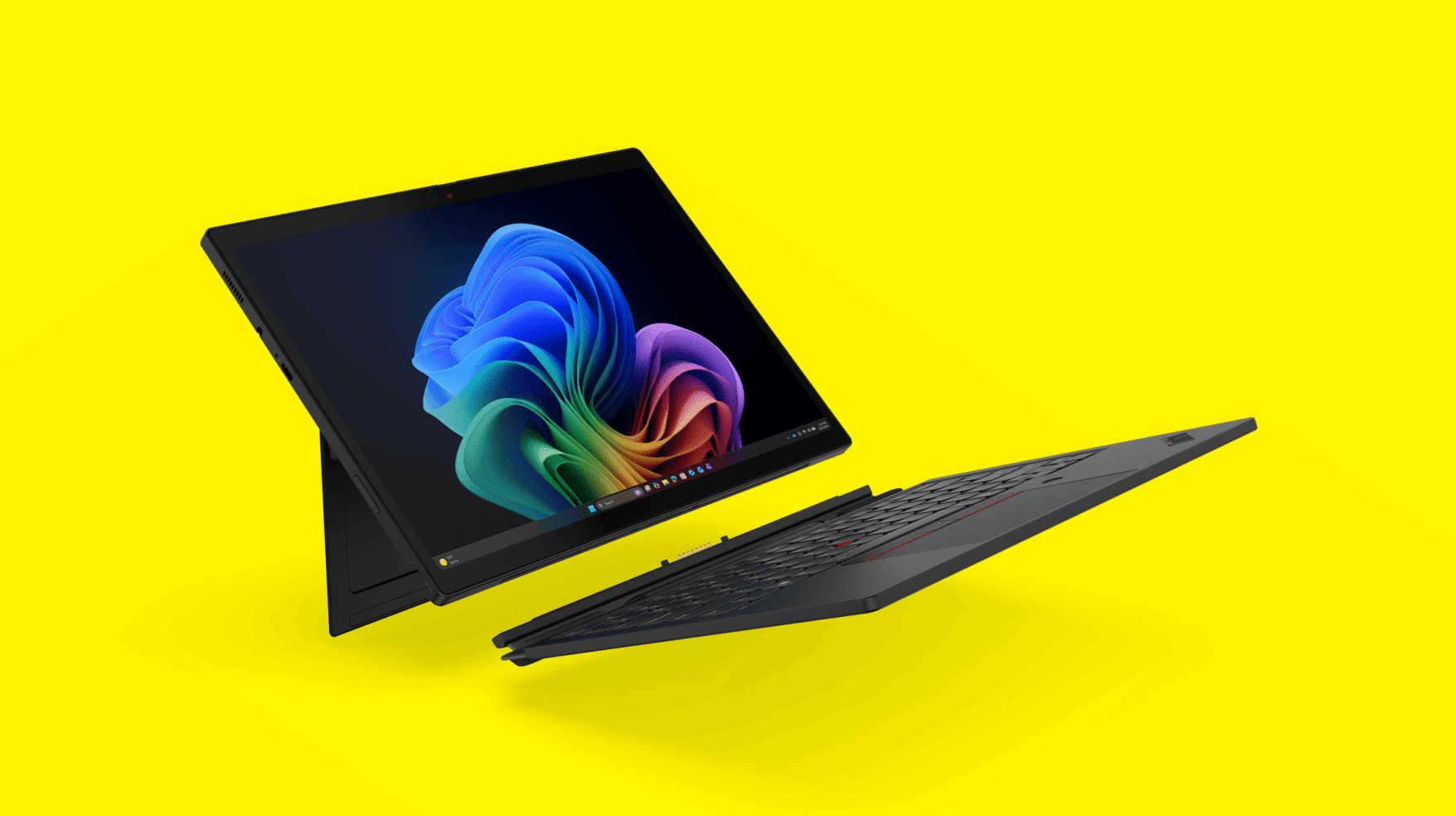
Lenovo is rethinking what a laptop can physically be. At the 2026 Mobile World Congress, the company unveiled the “ThinkBook Modular AI PC Concept”, a reconfigurable laptop that can change its shape and configuration depending on how and where it is used.

The device builds on Lenovo’s experience with experimental hardware, but this time with a focus on modularity. At the heart is a 14-inch ultra-slim ThinkBook base device with an OLED touchscreen.
The system can be expanded using removable components that attach using Lenovo’s Magic Bay connector system. So, instead of buying separate devices for different tasks, users can physically adapt one device to their changing workflows.
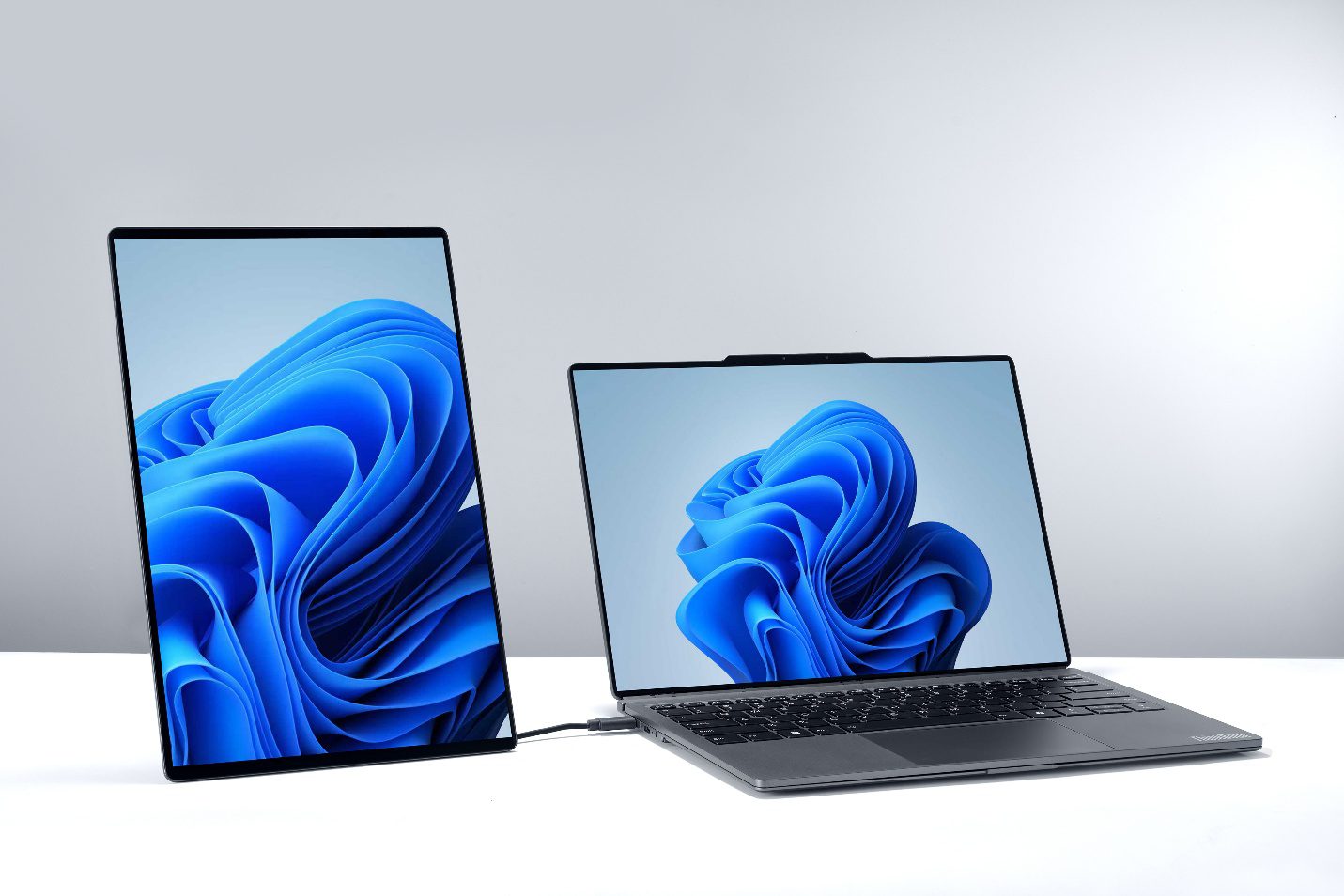
One of the most visible features is the secondary display, which can be attached in a variety of ways. It can act as an extended display next to the main panel, attach to the back of the lid for presentations, or detach completely and function as a portable monitor.
This flexibility allows the laptop to be used between a traditional flip-up display, a dual-screen workstation, or a more presentation-friendly format without the hassle of additional cables or external monitors.
The keyboard also detaches. Instead of remaining attached to the stand, it can be detached and used wirelessly via Bluetooth. In certain configurations, a second screen can take the place of the keyboard, effectively turning the device into a dual-screen system while retaining typing functionality via a separate keyboard. So the layout can alternate between travel-friendly minimalism and advanced multitasking.
Lenovo has expanded the modular prototype into connectivity options as well. Swappable I/O blocks let users move or swap ports, such as USB-C, USB-A, and HDMI, depending on their needs. While the concept echoes a repair philosophy seen elsewhere in the industry, Lenovo’s focus is on adaptability and layout flexibility rather than user-initiated hardware upgrades.
Underneath the modular outer shell, the prototype shown off at MWC features an Intel Core Ultra 7 255H processor, 32GB of RAM, and a 1TB SSD. The OLED display has the brightness and refresh rate you’d expect from a high-end laptop. At the same time, the modest battery capacity and lack of pricing or release information suggest that this is still a concept and not a confirmed retail product.
The ThinkBook modular AI PC concept is the latest step in Lenovo’s broader push toward adaptive AI PCs – systems designed to respond more intelligently to the user’s environment. At the same show, the company also unveiled other forward-thinking ideas, including a glasses-free 3D laptop and a foldable gaming handheld.
The modular ThinkBook has drawn particular attention for its potential to serve both business and creative users who regularly alternate between collaboration, travel, and multitasking.
Credits:
Images courtesy of Lenovo.