











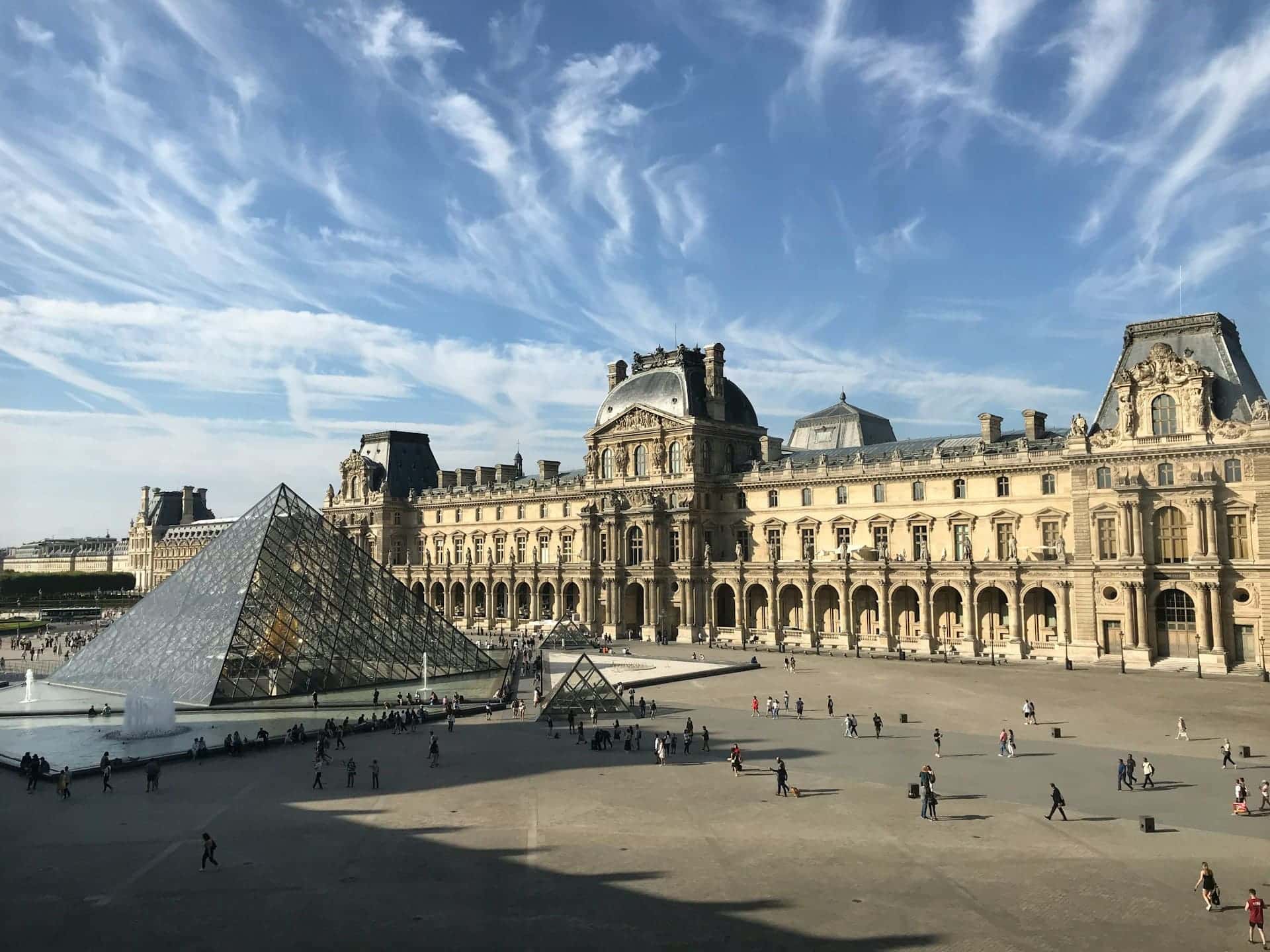
The entrance fee is increasing from 22 euros to 32 euros, or about 24 to 35 dollars. Visitors from EU countries, as well as residents of Iceland, Liechtenstein and Norway, will continue to pay the current lower rate.

The price increases are expected to bring in an extra 15-20 million euros (around $17-23 million) a year, which will be invested in “modernising and upgrading the Louvre to address structural issues facing the museum,” – the spokesperson said.
In addition to security, the decision reflects the increasing strain on the building itself. Construction of the Louvre began in the late 12th century and served as a royal residence for centuries, before becoming a public museum in 1793 when Louis XIV moved the palace to Versailles. Today, the constant flow of visitors puts daily pressure on both the centuries-old structure and the staff who maintain it.
Since then, it has become the most visited museum in the world and a cultural highlight of any stay in Paris.
Last year, the Louvre was visited by 8.7 million visitors, with tourists from the United States accounting for 13 percent of all guests, second only to the French.
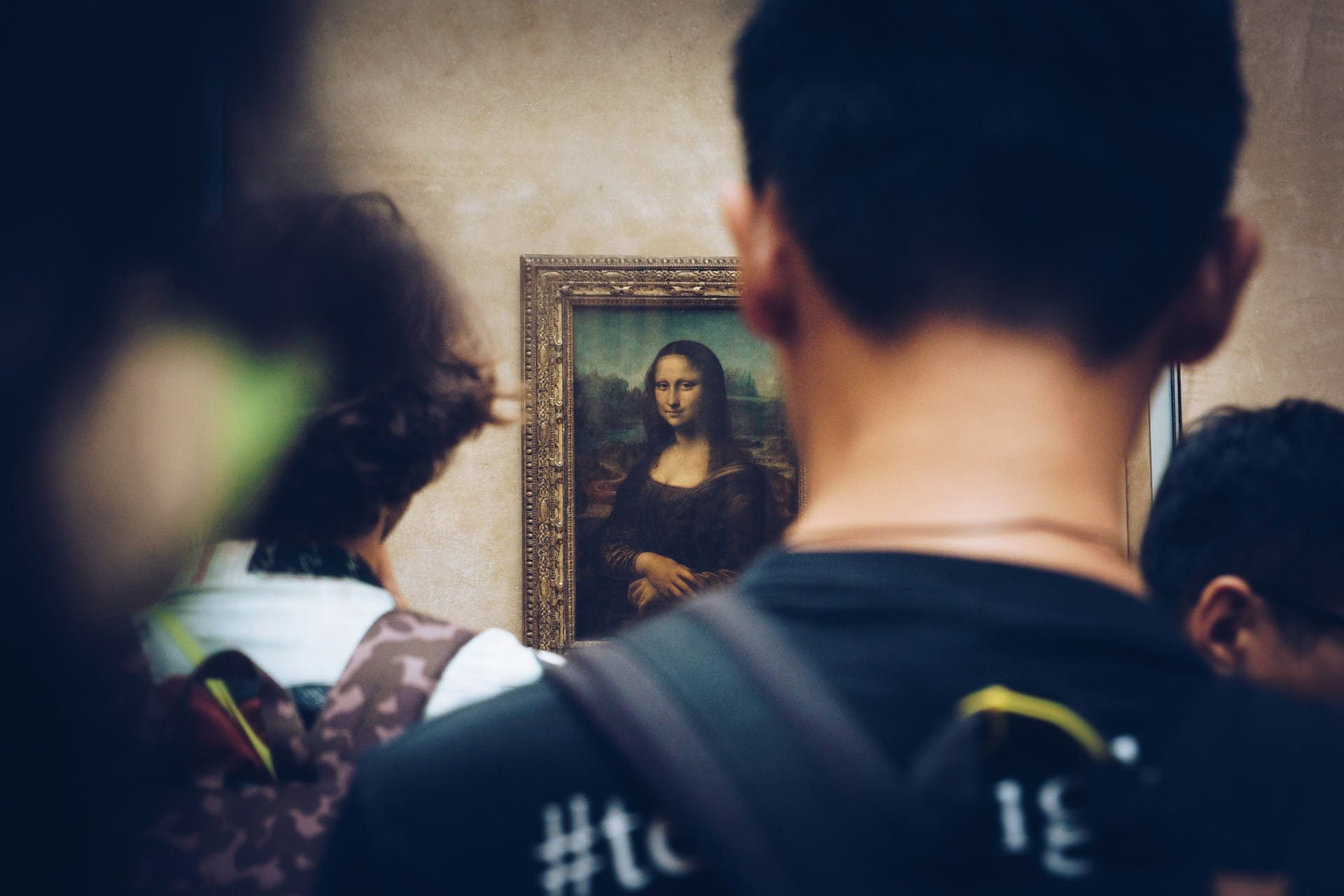
Public reaction has been mixed. Supporters say that even with the price increase, the price is still modest compared to the chance to see works like the Mona Lisa and the Venus de Milo in person. But critics warn that the higher ticket price could scare away families and budget travelers at a time when airfare, hotels and overall travel costs are already rising.
Similar measures will also apply at other attractions, such as the Palace of Versailles, the Sainte Chapelle in Paris and the Château de Chambord in the Loire Valley, according to the spokesperson.
Credits: