








Škoda got us excited with its ‘Vision 0’ concept car
Škoda is putting design at the center of its brand strategy for the electric age.

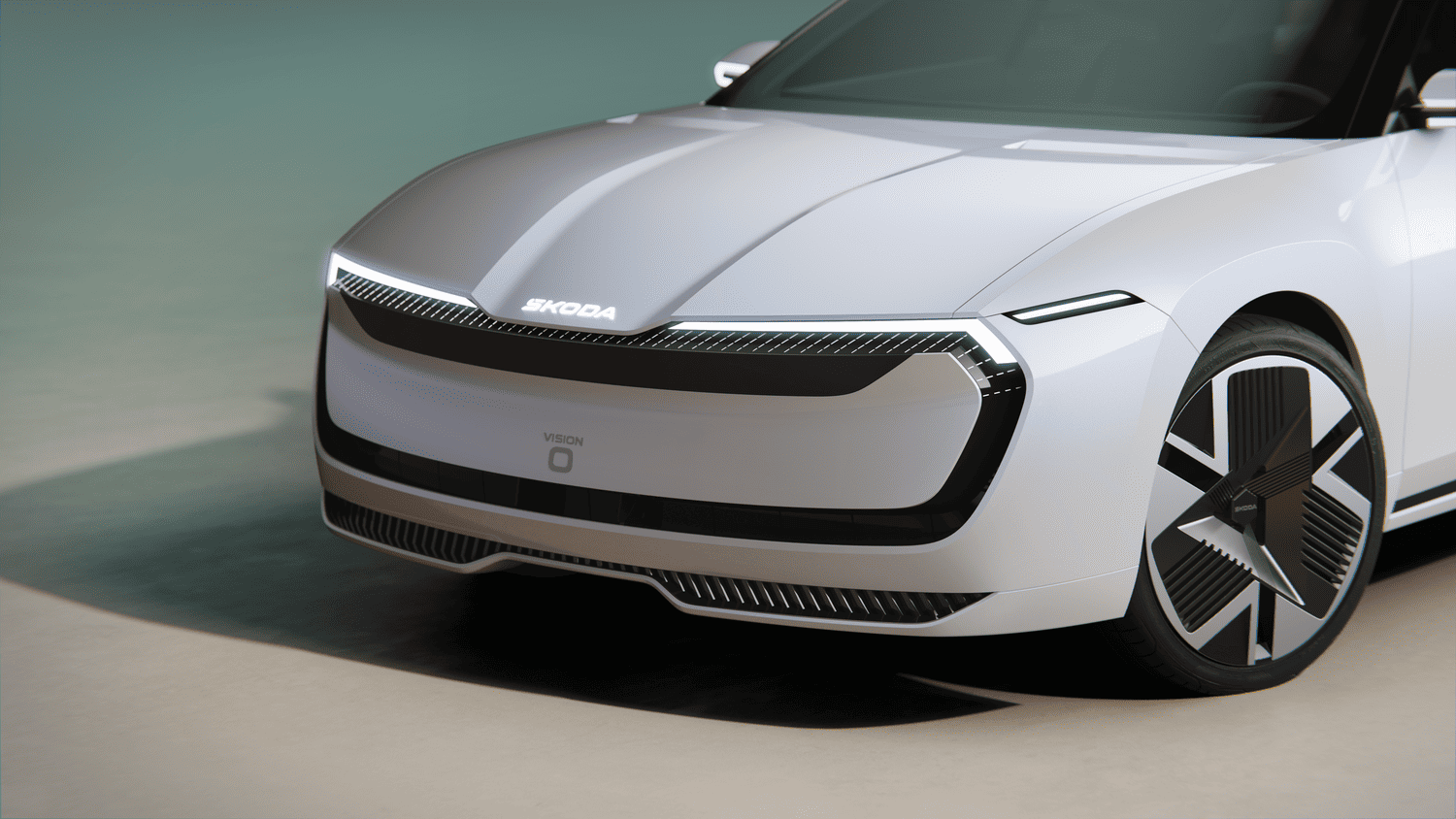
“The Vision 0 is our study for a future Combi,” – Škoda Auto’s chief designer, Oliver Stefania, says. “We believe Škoda should have SUVs, yes, but also long, low cars – that’s part of our DNA. And there’s still a business case for that.”
While many brands chase lifestyle niches and theatrical concepts, Škoda quietly designs cars with its real customers in mind – fleet buyers, long-haul drivers and families who value space and reliability.

Design and strategy in mind
Vision 0 shows how design can be used to reconcile heritage with future technologies.
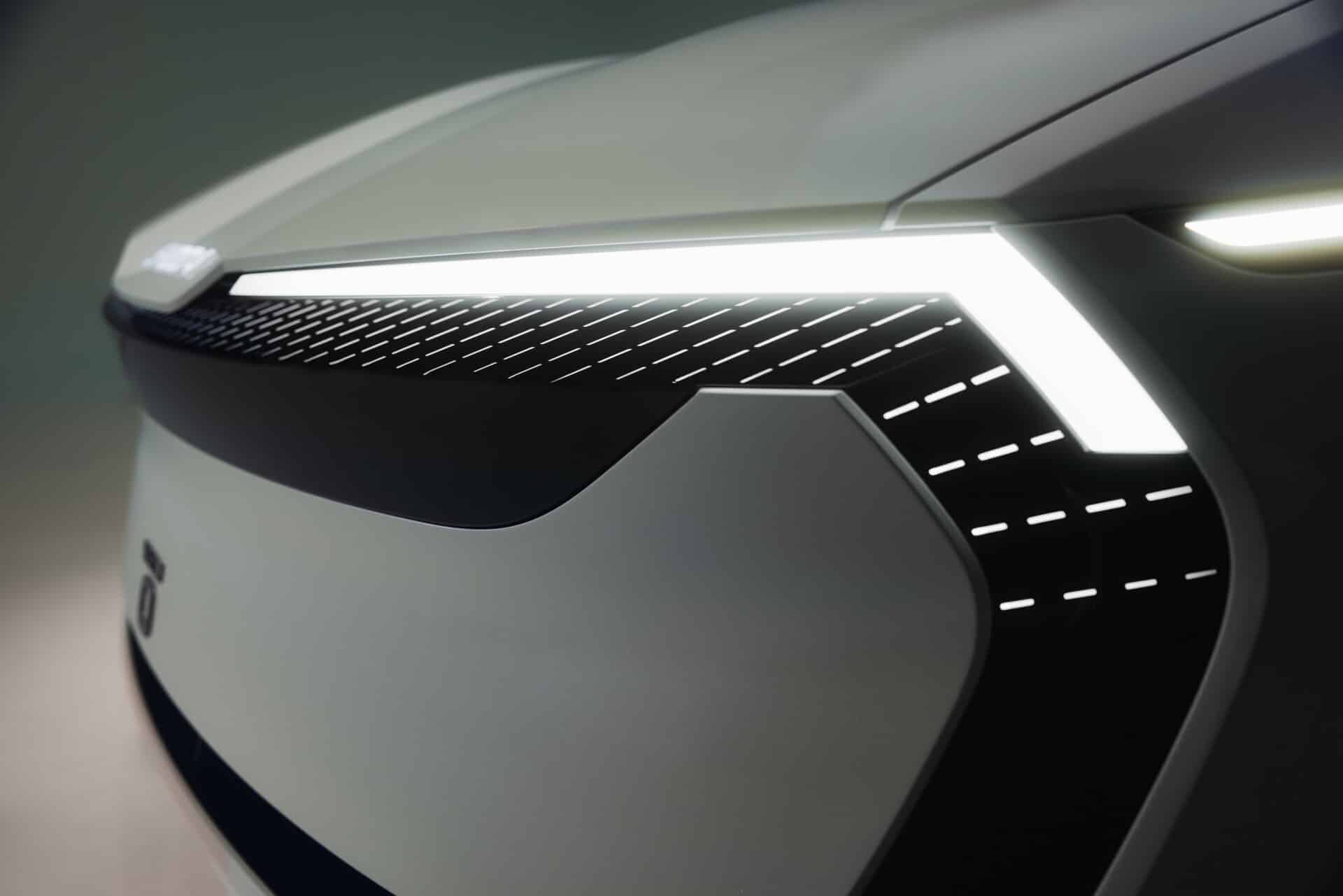
Electric drivetrains have eliminated many of the old visual elements, such as grilles, exhaust pipes, and design decisions related to mechanical parts such as gearboxes and engines. This forces designers to look for new ways to express brand identity.
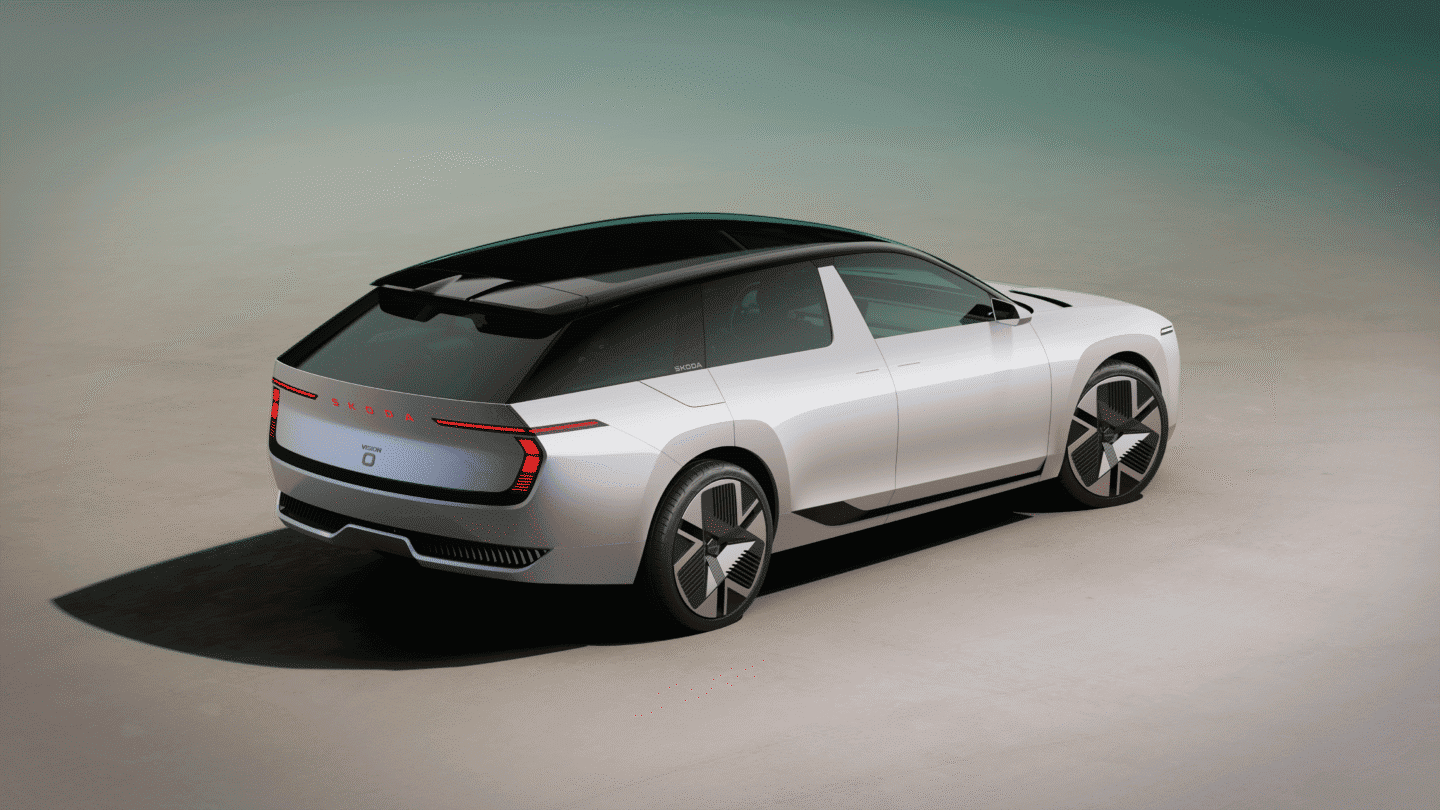
“Designing a long, low electric car makes sense aerodynamically,” – Stefani explains. “It’s emotional, yes, but also efficient. For fleet customers doing high mileage, range is critical. So the design is a business case.”
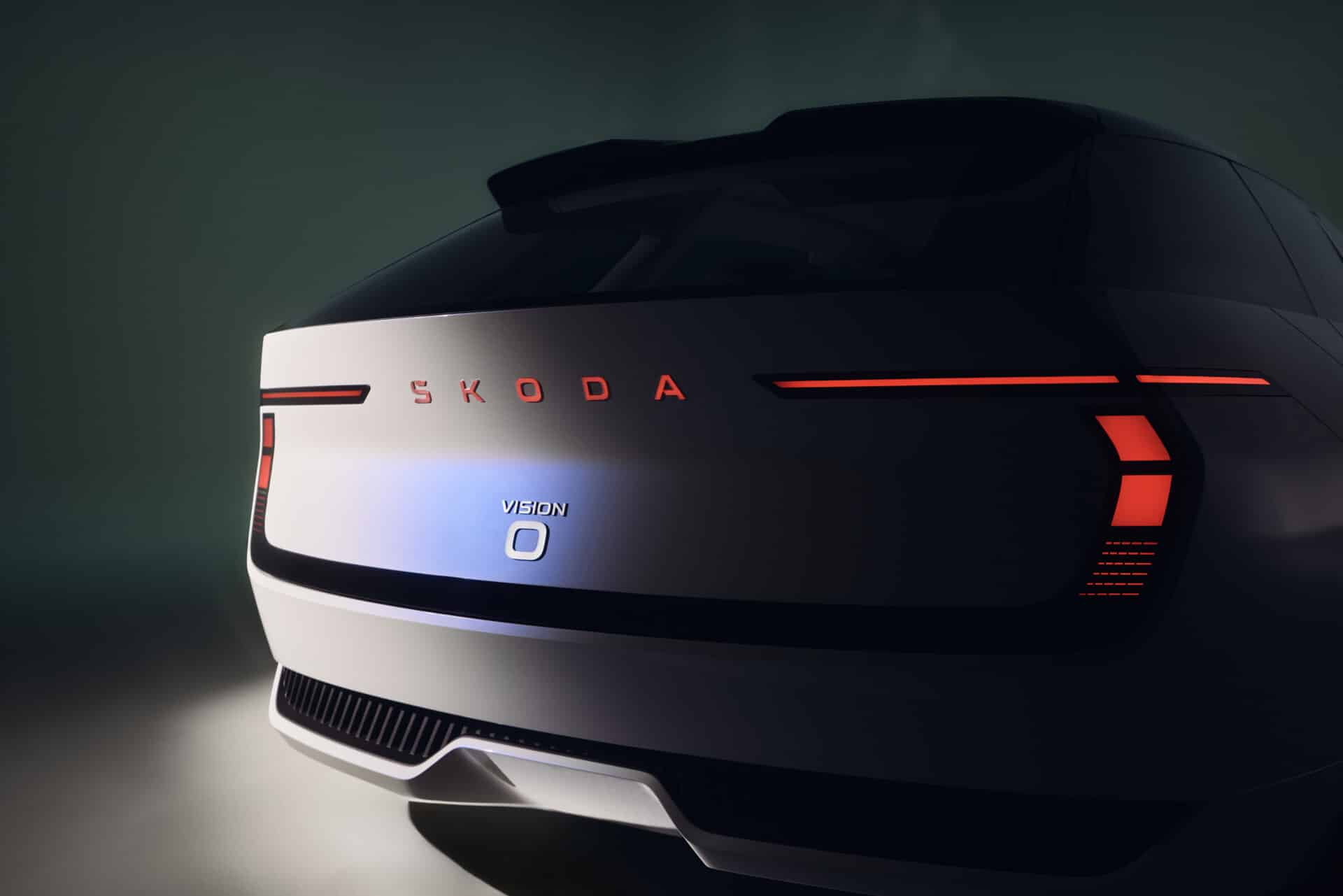
The concept’s elongated form and minimal surface language give it a quiet confidence.
It’s the physical embodiment of what Stefani calls “modern solid” – Škoda’s new design direction that prioritises simplicity, durability, and emotional honesty.
Experience is the priority
Interestingly, Stefani’s team started developing Vision 0 from the inside out, not the outside in. They started with the user.
“We wanted to test the process of designing for experiences, not just for shapes,” – he says.
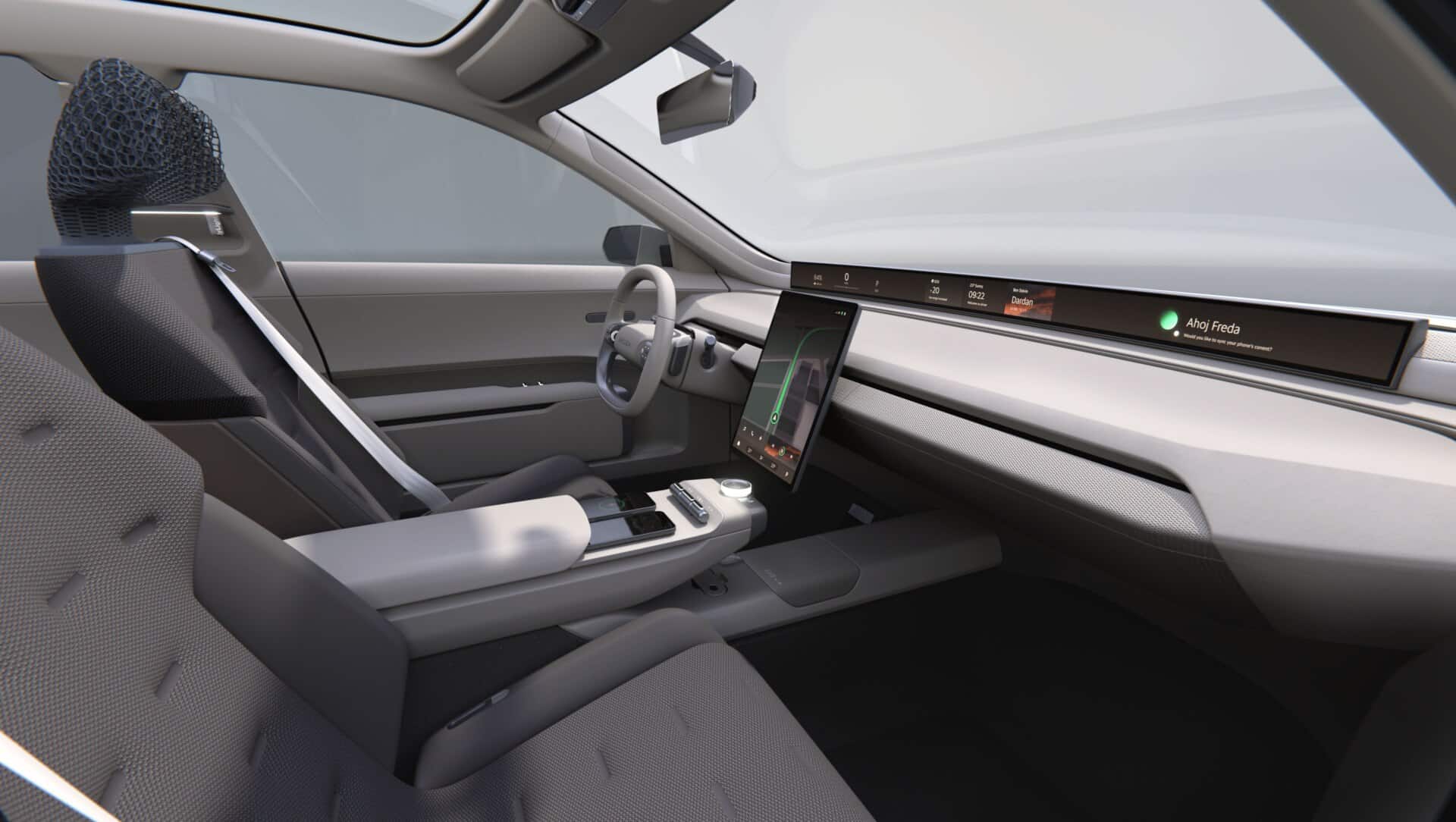
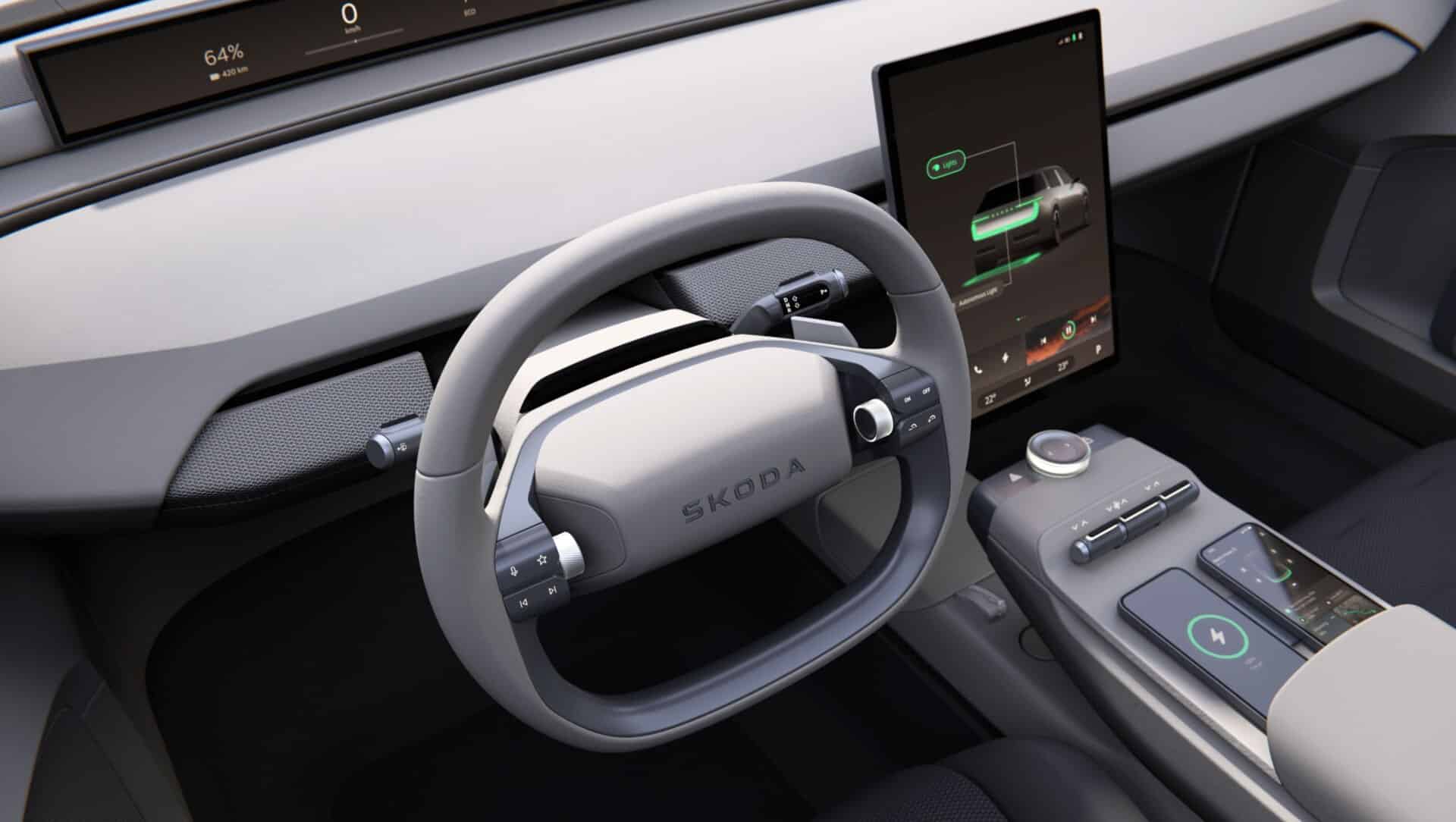
The result is an interior that reimagines the relationship between the driver, technology and space. At its heart is a Horizon Display, a panoramic screen that runs the width of the dashboard, up close to the windscreen.
But unlike many digital heavy interiors, the Vision 0 retains tactile, haptic controls for key functions such as heating and controlling the in-car-entertainment. Stefani is unapologetic about the decision.
“Even with voice control, people want to feel in control,” – he says. “When you’re driving fast, you don’t want to be operating a laptop.”
A growing recognition that experience design isn’t just about screens and software, but about how humans interact with machines under real conditions.
Creating calm in the salon is a priority
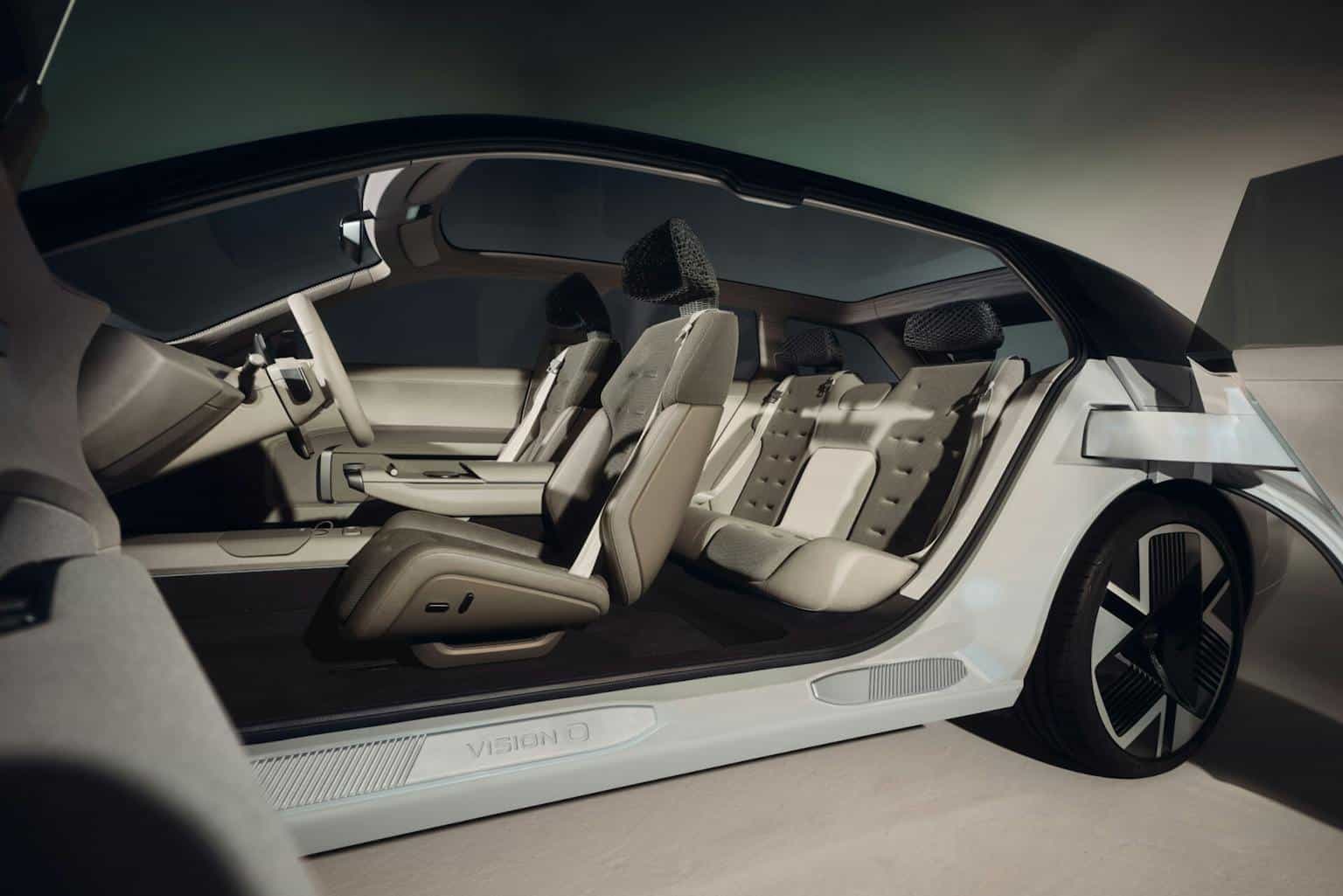
The Škoda design team has also incorporated subtle ideas based on well-being and sustainability. The materials are lightweight and mostly recycled, with 3D knitted textiles, a 3D printed headrest design and soft, breathable surfaces.
Meanwhile, the ambient lighting adjusts its colour temperature through the day in what Stefani calls “circadian lighting”.
“It’s similar to what you find in airline cabins,” – he explains. “For people who drive long distances, it helps them stay relaxed and alert.”
In this sense, Vision 0 hints at where car interiors are heading – towards environments that promote concentration, comfort and emotional balance, rather than overloading passengers with technology.
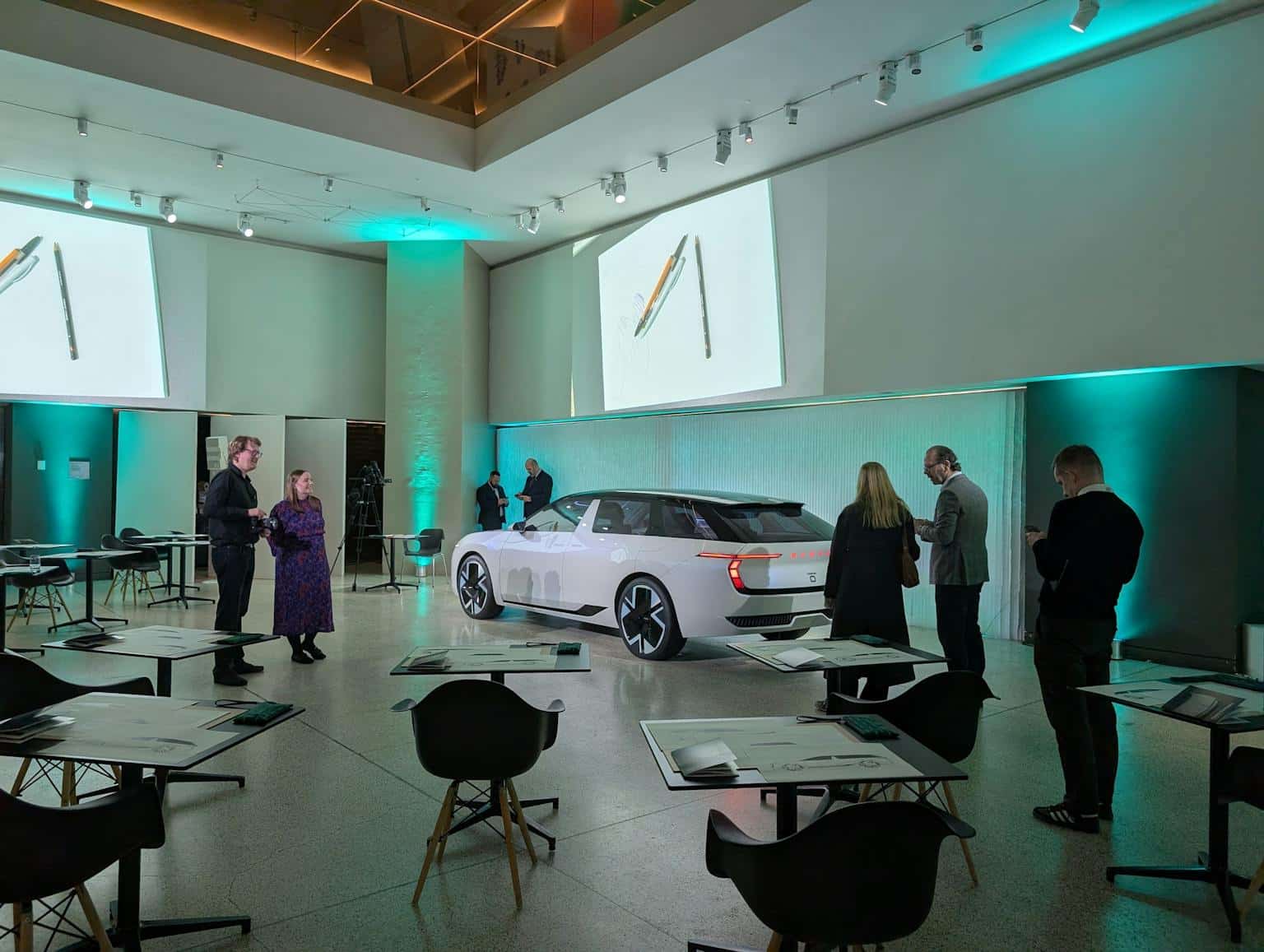
Behind the scenes, Stefani’s department, which employs around 100 people, combines human creativity with digital processes. The starting point for each project remains a hand-drawn sketch, but the transfer to 3D is happening faster than ever before.
“Every designer now models their own sketch digitally,” – he explains. “You have to feel what your drawing looks like.”
His feelings about AI are clear.
“AI gives you references, maybe inspiration. But creativity – that’s human. It’s about vision and emotion.”
Business case
For all the talk of design purity, Stefani circles back repeatedly to the why.
“We call this car a companion,” – he says. “We’re not the star – the driver and the journey are. But we want to be there, helpful and simply clever.” That ultimately is the business case for design at Škoda.
Vision 0 doesn’t just present a model of the future – it demonstrates how thoughtful design thinking can define brand identity, customer loyalty and long-term strategy in an industry transformed by electrification and digitalization.
Credits: