

Subscription pain for artists is real. A breakthrough in 2026?
This year will show whether artists will be able to hold their own.

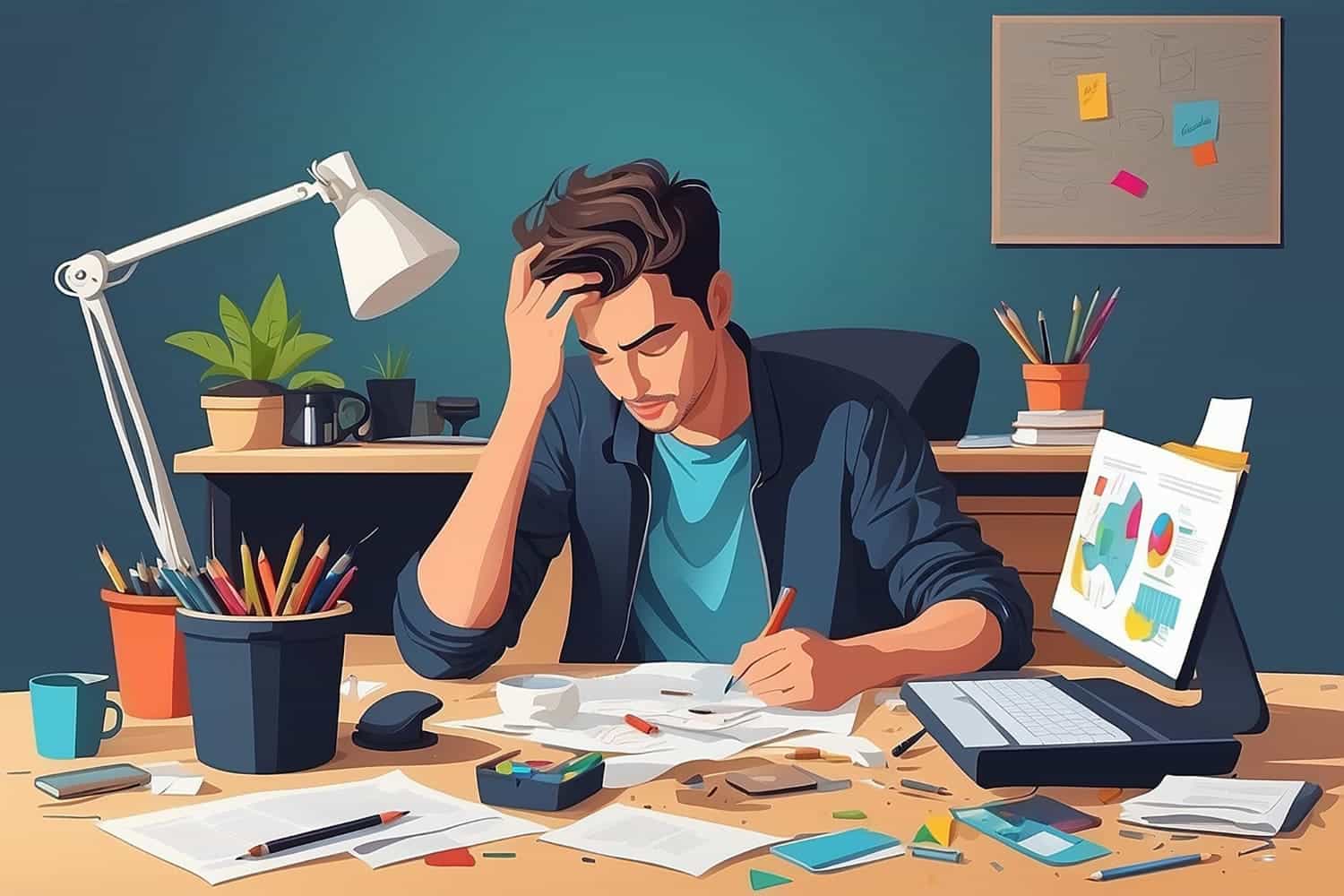
Rising costs and locked-in tools are pushing creatives toward alternatives. However, over the years, those alternatives have become fewer, as many of the necessary design tools are being absorbed by subscription-based websites that are unwilling to provide free services to creators. In the never-ending war on AI creation, designers and artists are left on the sidelines.
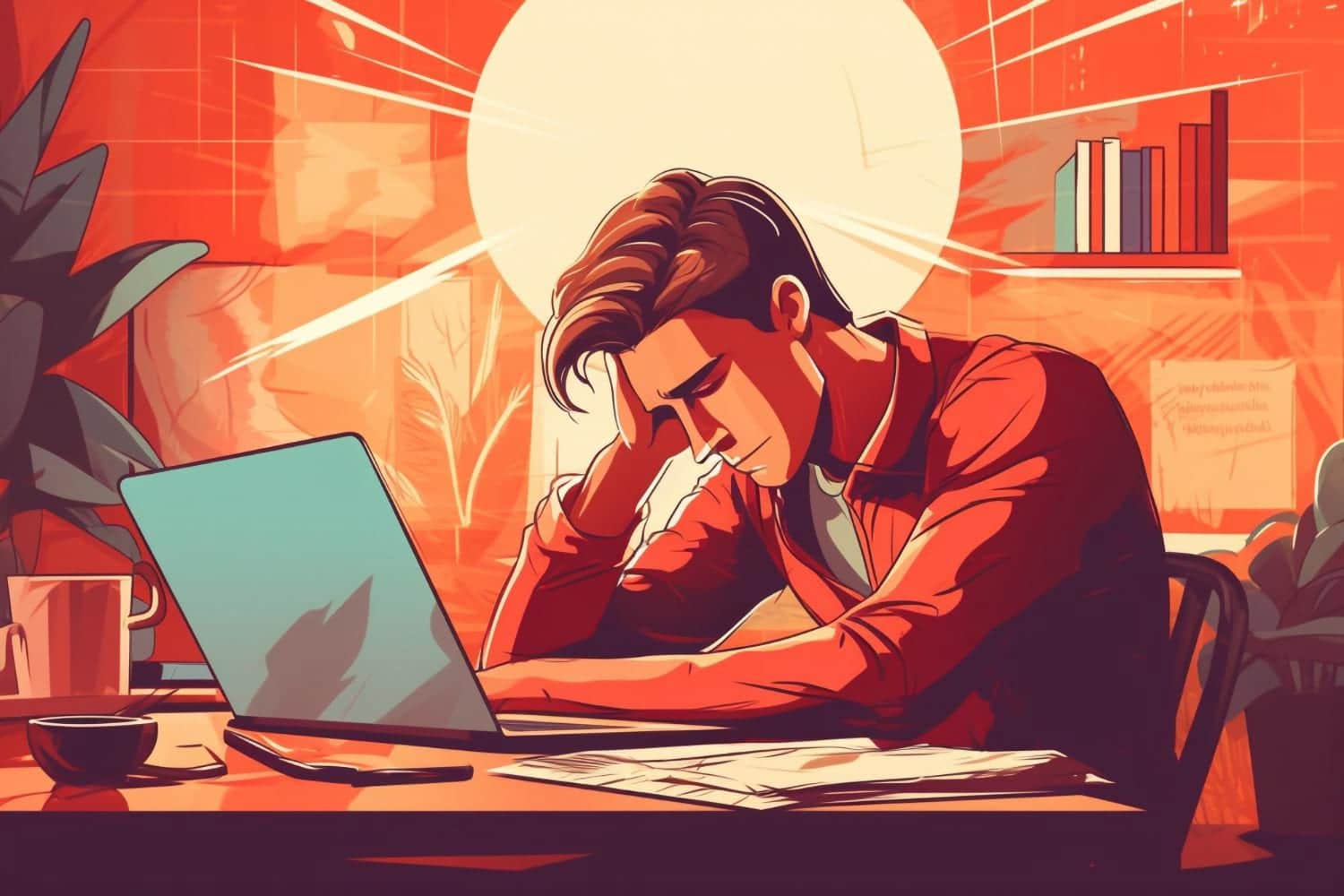
We’ve all been there. You’re curled up at your laptop in the middle of the night, surrounded by iced tea and half-finished work, checking your inbox. Suddenly, the number of emails saying “your subscription is increasing” starts to seem overwhelming. Netflix wants more. Adobe wants more. Spotify wants more. Even an app that tracks how much water you drink is asking for €1.99 a month for “advanced hydration analysis”.
In short, your bank statement is starting to look less like a financial summary and more like a collateral letter. This is what happened to many creative people in 2025. And more and more of us are starting to snarl, bark, and otherwise send signals of dissatisfaction that we need to stop and give up something.
A flood that has no limits
The clearest sign that the tide is turning was recently when Canva announced that Affinity’s entire package would be free – editing, design, layout, and everything else. No tiers, no hassles, no “seven-day free trial, then we’ll quietly charge you unless you decipher our little gray cancel button.” Just free.
Downloads exploded. Designers rejoiced. And software executives everywhere suddenly felt a general shiver.
Of course, many older tools continued to raise their prices, if only we would agree. But with each price increase, the question becomes louder and louder: “Wait a minute… do I really need this?”, and the answer is increasingly a resounding and certain “No”… as alternatives began to spring up like mushrooms after the rain offering free services to designers, but after a while that free bite turned sour and became a paid one.
Many people are lured by the wonderful attraction of innocent fish, and then have to be disappointed because the endless pop-up ads are accompanied by a small fee. OK… we are looking for other alternatives that still follow the same story, while not charging for their services, which may not even be necessary at all.
There are still alternatives
Blender, once a somewhat eccentric cousin of the 3D world, has evolved into a fully-fledged, powerful tool used by studios and solo artists alike, despite being completely free. Meanwhile, Krita has grown into a powerful drawing tool that won’t break the bank in the slightest.
Inkscape handles vector graphics without any tantrums. DaVinci Resolve offers a professional video editing program for exactly zero euros. And Procreate, now considered one of the best digital art apps, became the darling of the iPad art world by doing something radical: charging a one-time fee of about 15 euros and leaving people alone.
Even game engines weren’t immune to the chaos. In 2023, Unity’s infamous attempt to implement a “pay-per-install” model provoked a developer exodus. They backed down, but the damage was done. People made it clear that they were completely fed up with subscription growth disguised as innovation.
A large portion of independent newspapers and magazines have charged for their digital content. Creative magazines are waiting for the naive to fall for the hook and pay their fee in exchange for giving them some news or insights that are available for free online. Isn’t this the height of idiocy?
It’s not that we’re entitled and expect the world to give us everything for free; it’s that subscriptions only make sense to us when companies provide ongoing, resource-intensive services: servers, cloud functions, vast libraries of content. Netflix? Sure. Spotify? Okay.
But a native drawing app? A note-taking tool? Some kind of 3D sculpting software that runs completely free on your computer? Fewer of us believe that logic these days.
Where we once bought apps in physical stores and paid the price once, now everyone has programmed a monthly fee, but of course, when you pay for the year, you will also save. Some have tried to keep up with the subscription trend, so Maxon One offers great value if you want everything – ZBrush, Cinema 4D, the Red Giant suite – with regular content releases.
Similarly, Adobe Creative Cloud offers value if you need everything – Photoshop, Substance apps, Illustrator, Premiere Pro, and more.
Three clear camps
But sit back and think about whether you need all of that? The answer is often “no.” We voted with our wallets. We chose one-time purchases or switched to free software, which is now truly professional. So, the environment is increasingly divided into three clear camps.
First, there are truly free art apps like GIMP, Blender, and the Godot game engine, with thriving communities. Second, there are one-time purchases like Procreate or Clip Studio Paint that provide refreshing ease of use. And third, some subscriptions actually justify themselves with ongoing service.
Of course, what that is will vary from person to person. But one thing I’m sure of is that the idea that Adobe can continue to demand a king’s ransom from people who only use one or two Creative Cloud apps seems increasingly dubious.
Final thoughts
Overall, the future seems to be moving toward justice. Towards lower monthly bills, more choice, and a creative world that finally feels accessible again. And really? It’s about time. By the end of 2026, students are expected to no longer spend half their loans on software; hobbyists will be able to experiment without financial commitment; and studios will choose tools that suit their workflow, not their accountants’ blood pressure.
Image:


