











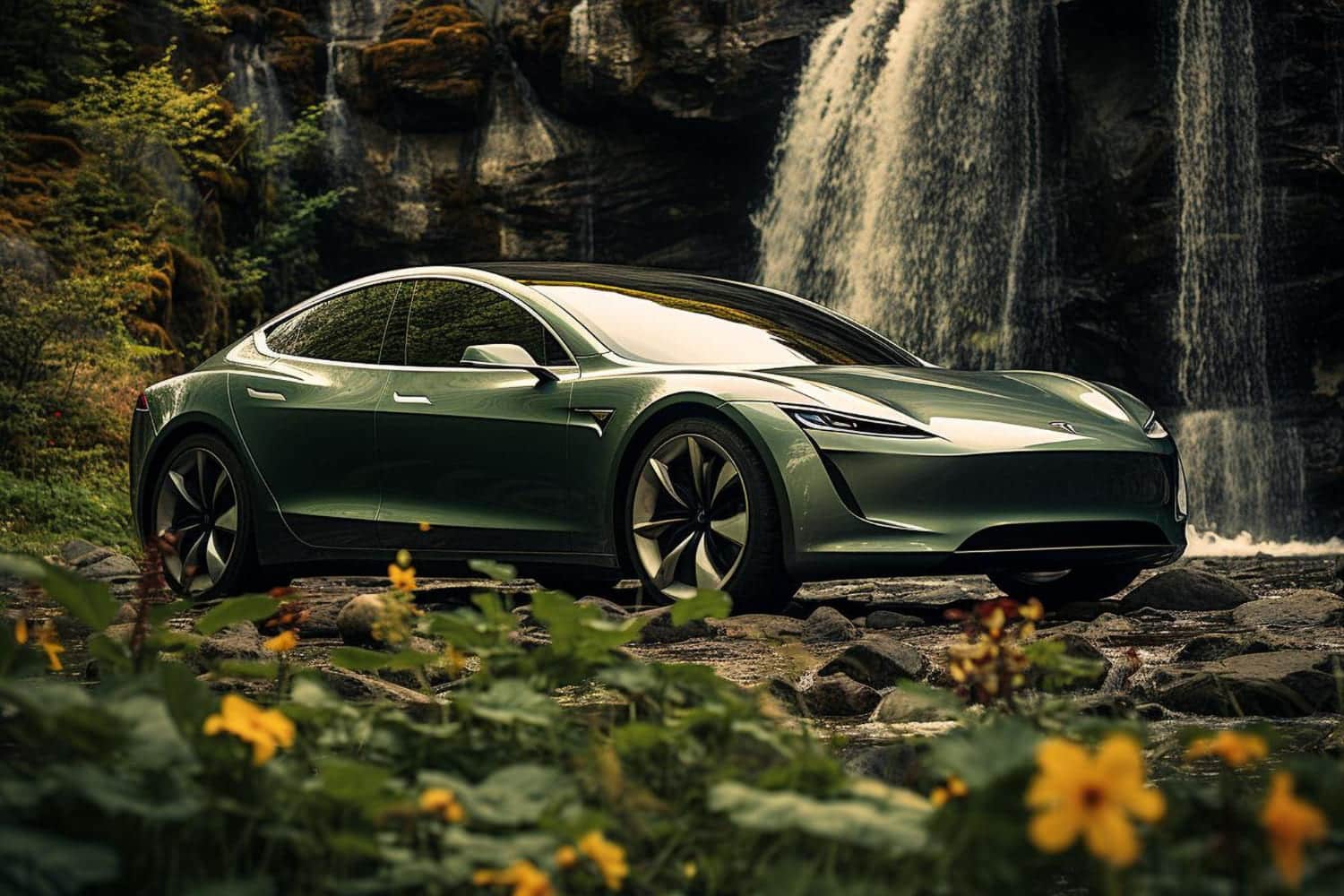
BYD, a company Elon Musk once dismissed by laughing at their products during a 2011 Bloomberg interview, has overtaken Tesla to be the world’s top EV seller. He said he did not see the company as a competitor to Tesla, adding, “I don’t think they have a great product.”

Meanwhile, Tesla reported deliveries of about 1.64 million vehicles worldwide, down nearly 9% from the previous year. The more than 600,000-unit drop marks the first time Tesla has lost its annual sales lead since becoming the dominant force in the global electric vehicle market.
For much of the past decade, Tesla has set the pace for the electric car industry, turning models like the Model 3 and Model Y into global benchmarks and forcing legacy automakers to accelerate their electrification plans.
Meanwhile, Tesla said Friday that it delivered 1.64 million vehicles in 2025, in line with the company’s guidance of 1.6 million vehicle deliveries. The annual figure is about 8% lower than in 2024 and marks the company’s second consecutive annual decline.
But the two companies have been moving in opposite directions. BYD has capitalized on strong demand in China, the world’s largest market for electric vehicles, while also ramping up exports to Europe, Southeast Asia, and Latin America.
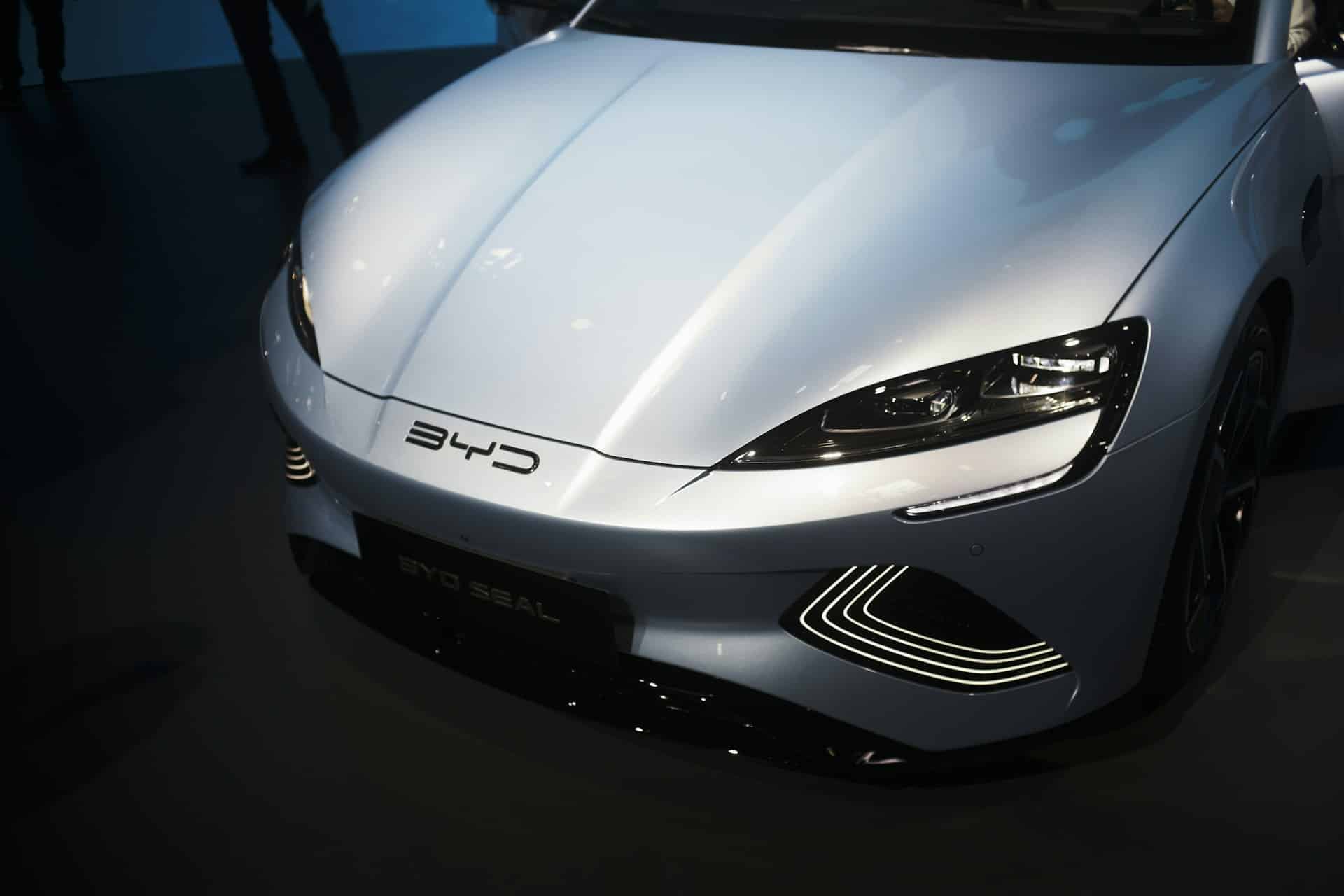
Its product range includes compact, lower-cost models as well as upscale sedans and SUVs, allowing the company to appeal to buyers across income levels and regions at a time when price sensitivity has become a determining factor.
BYD’s ability to quickly scale up production, control costs, and offer a wide range of models helped it take advantage of a period when growth became increasingly difficult for early leaders to sustain.
Deliveries are the closest indicator of Tesla’s reported sales, but they are not precisely defined in the company’s shareholder reports.
Tesla’s slowdown has been driven by economic, political, and policy pressures. In the United States, the phase-out of federal tax breaks for electric vehicles at the end of 2025 has reduced incentives for buyers.
Abroad, Tesla has faced increasing competition, especially in Europe, where Chinese and European manufacturers have been aggressively expanding.
Brand negative factors related to Elon Musk’s political connections may also have been to blame.
Credits:
Images: