













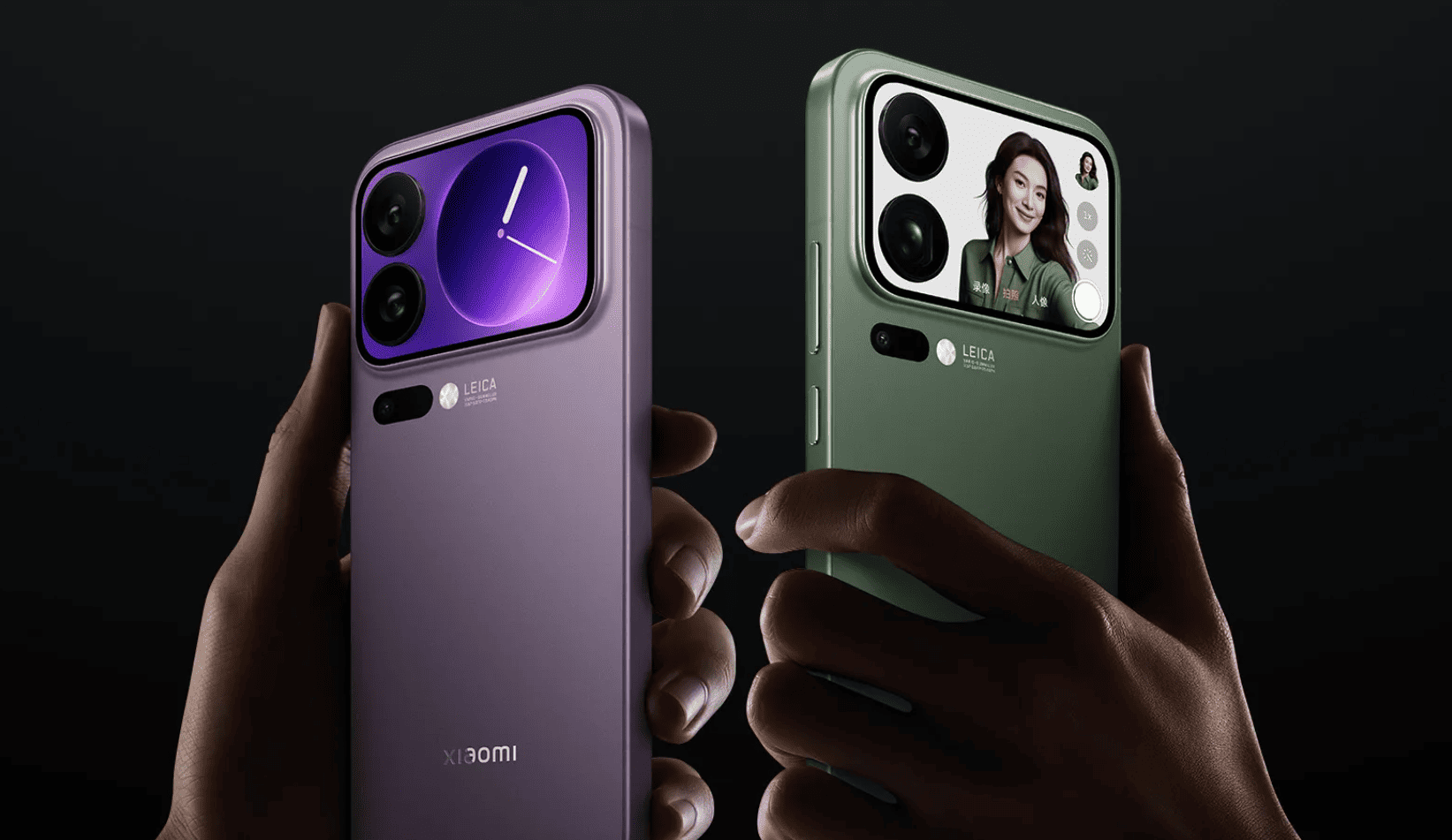
When Xiaomi jumped from 15th to 17th place, it wasn’t a calculation mistake – it was a deliberate challenge. In Beijing, the company unveiled the Xiaomi 17, 17 Pro, and 17 Pro Max, aligning its name with Apple’s latest flagship.
Along with the bold rebranding, Xiaomi introduced the Snapdragon 8 Elite Gen 5 chip, large batteries, and Leica-tuned cameras that were aimed squarely at Apple’s dominance.

Xiaomi is far from the first company to put an extra screen on the back of an Android phone, and we’ve seen plenty of attempts at this form factor over the past five years. Still, the interface improvements that foldable phones offer could help make this phone more practical than most.
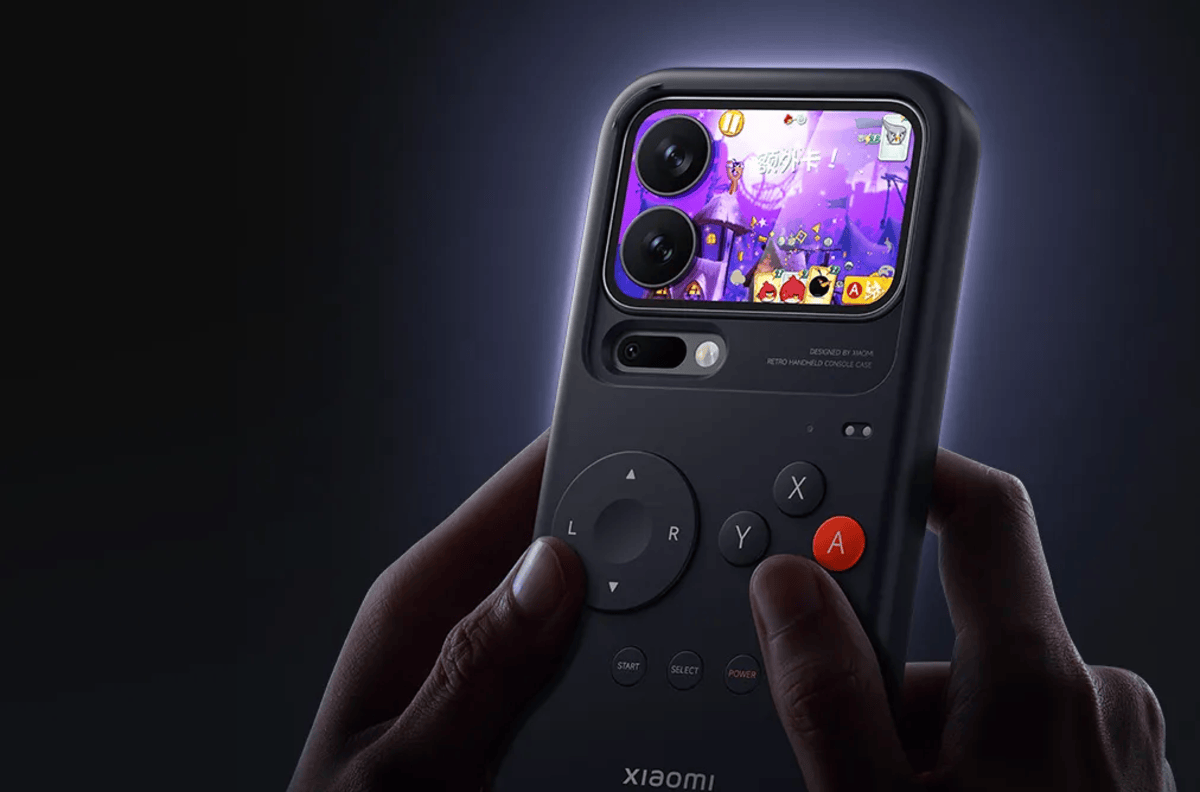
And if all else fails, there’s always the official Game Boy-inspired case with function buttons that turns the back of the phone into a standalone portable gaming console.
Design choices appear to echo Apple’s squared edges and bold camera housings, though Xiaomi executives point to their own Mi 11 Ultra lineage as inspiration. The Xiaomi Pro Max, of course, carries the most ambitious specs: a 6.9-inch 2K LTPO OLED display with a 120Hz adaptive refresh rate and a hefty 7,500mAh battery. Even the standard Xiaomi 17 comes with a 6.3-inch screen and a 7,000mAh battery. Fast charging is standard across the series, with 100W wired and 50W wireless speeds.
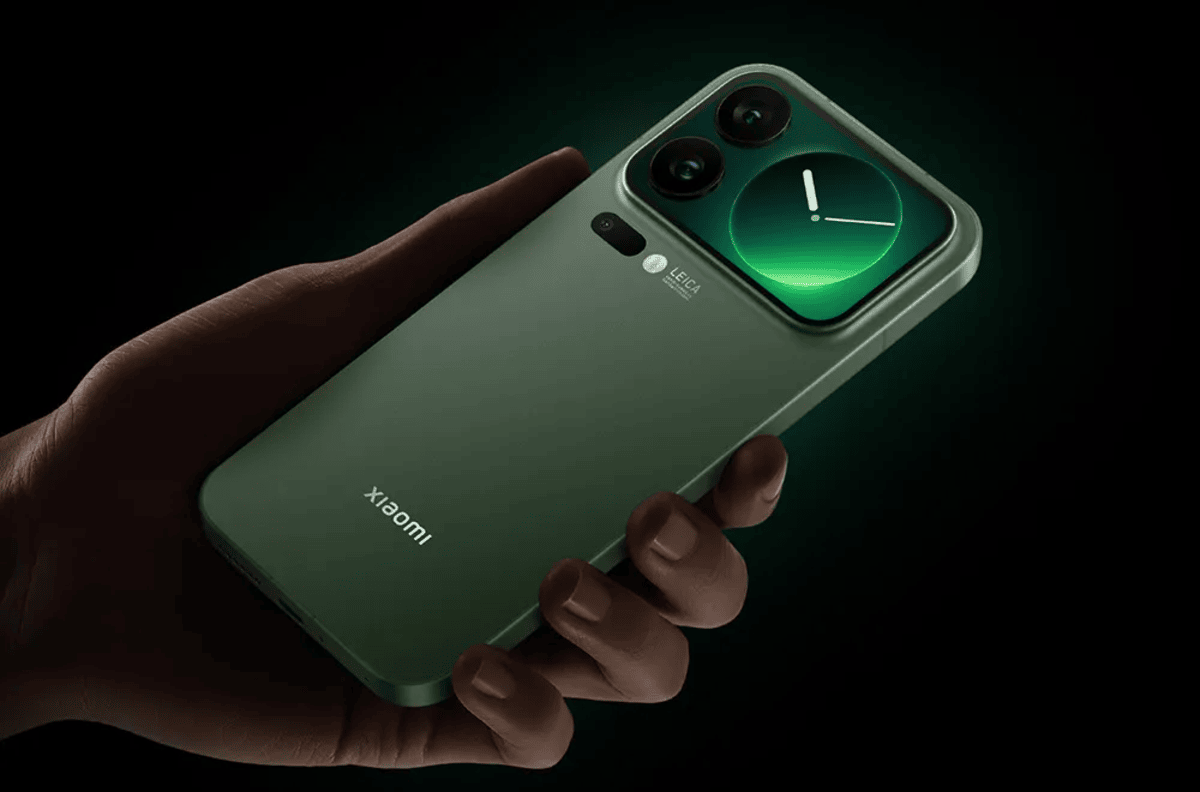
All models run HyperOS 3.0, built on Android 16, and debut Xiaomi’s “Super Island,” an interactive interface nodding to Apple’s Dynamic Island.
Cameras are obviously a priority, with three 50-megapixel shooters on the back of each phone. They share their f/1.67 main camera and f/2.4 ultrawide, but differ a little in the telephotos. Both have the same 5x zoom distance, but the Pro Max uses a larger sensor and a faster aperture (f/2.6 compared to f/3.0), which should mean significantly better performance in low light.
The ruthless surprise to the “17” is that it features a bigger battery than the Pro, at 7,000mAh. Xiaomi broke out yet another iPhone comparison to drill this home, stacking it up against an iPhone 17 in a continuous video playback test — then, in a moment of triumph, slapping a 5,000mAh MagSafe battery on the back of the iPhone just to show the Xiaomi phone still outlasting it.
Price remains Xiaomi’s biggest weapon against the Cupertino giant. The base Xiaomi 17 starts at $630, more than $100 cheaper than Apple’s entry-level iPhone 17. During the launch, CEO Lei Jun drew comparisons to Apple, highlighting longer battery life and brighter displays, while also emphasizing affordability. Analysts note that Xiaomi’s premium shipments grew 55% in the first half of 2025, solidifying its position as a serious challenger to Apple’s dominance in China.
Xiaomi has not yet announced global release plans, but at least some models are likely to be launched in Europe in the spring, perhaps around the end of February at the MWC exhibition, where the even more powerful Xiaomi 17 Ultra may also be introduced.
Credits:


